
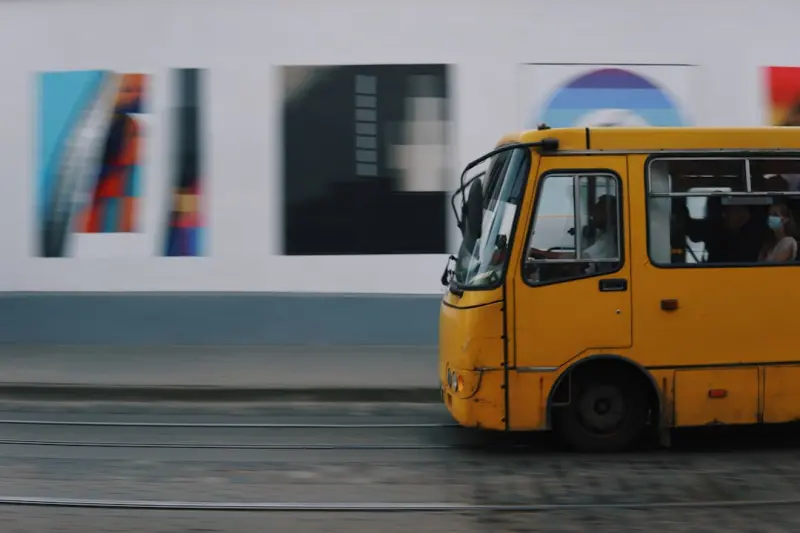
Why Every Commute Can Be a Creativity Lab
When I first swapped my corner office for a rolling suitcase, I expected the usual Instagram‑ready sunsets and boutique cafés. What I didn’t anticipate was the sheer alchemy that happens when a new environment collides with a familiar mind. The hum of a train, the scent of a foreign spice market, the rhythm of a bustling street—each of these sensory inputs can act like a catalyst, breaking the routine patterns that keep ideas stagnant. In my experience, the most profound breakthroughs don’t come from long, isolated retreats; they emerge in the fleeting moments between gate A and gate B, during a layover coffee, or while waiting for a ferry to dock. This is why I now treat every transit experience as a deliberately designed creativity lab.
The Science Behind Novel Environments and Idea Generation
Neuroscience tells us that exposure to novel stimuli triggers the brain’s default mode network, a system responsible for mind‑wandering and associative thinking. When we step outside the familiar, our prefrontal cortex relaxes its grip on rigid, task‑oriented processing, allowing the brain to make connections it normally wouldn’t. It’s the same principle that makes forest bathing such a rejuvenating practice: the diversity of sights, sounds, and textures resets mental bandwidth. The trick is to capture that reset before it dissipates.
Designing a “Travel‑First” Mindset
Most of us approach travel with a checklist mentality—see the landmark, eat the dish, snap the photo. To flip that script, start by redefining the purpose of each trip. Ask yourself: What question am I trying to answer? Which skill am I hoping to sharpen? Write it down on a small card and tuck it into your passport. When you arrive, let that question guide the way you interact with the world. Instead of scrolling through tourist reviews, strike up a conversation with a local artisan and ask how they solve a particular design problem. The answers you gather become raw material for your next project, whether you’re a marketer, product manager, or creative director.
Micro‑Experiments on the Move
One of my favorite tactics is the “micro‑experiment.” Before a trip, I choose a small, measurable activity—like sketching a street scene in ten minutes, or swapping my usual coffee order for a local brew and noting the taste profile. The goal isn’t perfection; it’s to create a low‑stakes space where curiosity can flourish without the pressure of performance. When the experiment is done, I debrief in a journal: What surprised me? What felt uncomfortable? How might that discomfort translate into a new approach back at the office? Over time, these bite‑sized forays accumulate into a robust habit of continuous learning.
Turning Travel Time into a Gamified Ideation Session
If you enjoy a little friendly competition, try turning your journey into a game. Set a timer for each leg of the trip—flight, train, taxi—and challenge yourself to capture three distinct observations that could inspire a product feature, a marketing campaign, or a process improvement. Record them in a voice memo or a quick sketch. When you land, share the top three with a colleague and vote on which idea has the most potential. This approach mirrors the principles from gamified mental fitness, but applies it to the travel context, turning idle moments into productive brainstorming sessions.
Leveraging Sustainable Choices for Creative Inspiration
Travel is also an opportunity to witness sustainability in action—whether it’s a hotel that runs on solar power, a city that prioritizes bike lanes, or a restaurant that sources ingredients from regenerative farms. Observing these models can spark ideas about how your own organization might adopt greener practices. I once attended a conference in a coastal town where every venue used biodegradable tableware. That simple visual cue sparked a redesign of our company’s internal catering policy, reducing single‑use plastics by 40 % within six months. When you consciously seek out sustainable solutions abroad, you’re essentially conducting a field study that can be translated into tangible business outcomes.
From Souvenir to Prototype: Materializing Travel Insights
Physical artifacts collected during a trip—ticket stubs, fabric swatches, handwritten menus—serve as tactile reminders of the experiences that sparked ideas. I keep a small “travel‑inspiration box” in my desk drawer, where I store these mementos along with a sticky note that summarizes the insight they represent. When a new project kickoff looms, I pull out the box, let the textures and scents stir my memory, and let the associated ideas flow back into the present. This practice bridges the gap between fleeting inspiration and concrete deliverables, ensuring that the creative spark isn’t lost in the shuffle of daily responsibilities.
Integrating Travel Learnings Into Team Culture
Finally, the most lasting impact of treating travel as a creativity engine comes when you share your findings with the broader team. Host a “Travel Insight Lunch” where each participant brings one takeaway from a recent trip—no matter how small—and explains how it could inform a current challenge. Encourage cross‑functional dialogue; a designer’s observation about street signage might inspire a data analyst’s approach to visual dashboards. By institutionalizing the practice, you turn individual wanderlust into collective innovation, creating a culture where curiosity is not just tolerated but celebrated.
Travel will always be a gateway to new horizons, but it doesn’t have to be a passive escape. By deliberately framing each journey as a laboratory for creativity, you can harvest fresh ideas, test daring concepts, and bring back more than souvenirs. You bring back a renewed perspective that fuels your work, your team, and ultimately, the future of your organization.

Karen Edwards is a seasoned freelance writer with a passion for all things furry, feathered, and scaled. With a dedicated focus on pets, she brings a wealth of knowledge and a keen eye for detail to her writing.
Related Posts

When the Road Unfolds: Harnessing Unplanned Moments for Creative Travel
Explore the power of unplanned moments on the road, turning chance encounters into lasting creative ... Read More

Rail Revival: Why Trains Are the New Frontier for Conscious Travelers
Discover how rail travel blends sustainability, community, and mindful experiences, turning the jour... Read More
Why Off‑Season Adventures Reveal the True Soul of Travel
Traveling during off‑peak times transforms ordinary trips into authentic experiences, offering qui... Read More
Top Posts
Colorful Minds: How Palette Choices Shape Workplace Well‑Being
A deep dive into how the hues surrounding us impact stress, focus, and morale, offering actionable design strategies that turn any office into a mental‑wellne...Read More

Biofeedback Gaming: A New Frontier for Stress Resilience
Biofeedback gaming turns stress training into an interactive adventure, using real‑time physiological data to help you master calm, focus, and resilience whil...Read More

Why Garden Desks Are the Future of Employment: A Rose DesRochers Perspective
Rose DesRochers reveals why garden desks are revolutionizing work in 2024—boosting productivity, sustainability, and employee well‑being—all from a person...Read More
Strategic Sabbaticals: Turning Time Off into Talent Gains
A deep dive into why strategic sabbaticals are becoming essential for modern employers, outlining benefits, implementation steps, and real‑world success stori...Read More
0 Comments
Post Comment
You will need to Login or Register to comment on this post!