

When I first swapped my commuter‑car seat for a rickety bus seat in a distant town, I realized that travel isn’t just a checklist of sights; it’s a conversation between the world and the parts of ourselves that usually stay silent. My wanderlust has since evolved from “Where can I go?” to “What will I become when I arrive?” This piece is a love letter to the kind of travel that reshapes habits, deepens connections, and leaves a light footprint on the planet.
1. Re‑imagining the Journey as a Personal Retreat
Most travel guides treat transportation as a means to an end—a way to get from point A to point B. I propose we flip that script. The smart water and air hacks we use at home can inspire a travel‑ready mindset. Before you even step onto a plane or a train, consider the micro‑climate you’ll be entering and how you can adapt without relying on disposable solutions.
- Hydration on the move: Carry a reusable, filtered bottle and refill it at trusted sources. In many European cities, water fountains are cleaner than you think, and in Asia, many hotels now provide refill stations.
- Air quality awareness: A compact personal air purifier or a simple N95 mask can protect you from polluted city centers, especially in fast‑growing megacities. When you breathe easier, you notice more of the surrounding sounds, flavors, and stories.
These tiny adjustments transform a hectic transit into a moment of self‑care, turning the journey itself into a mini‑retreat.
2. Crafting a “Travel‑Light” Mental Model
Minimalist packing is the obvious first step, but the concept of “lightness” can be applied far beyond a suitcase. Think of your itinerary as a curated gallery rather than an exhaustive museum tour. Pick a handful of experiences that align with your curiosity and values, and let the rest breathe.
To avoid the paralysis that comes from over‑planning, use a mental version of turn information overload into insight. Instead of bookmarking dozens of articles about a city, distill them into three core themes—food, art, community. Then, ask yourself: “What question do I want this place to answer for me?” That question becomes your compass.
- Food: Seek a single market or street‑food stall that epitomizes local flavor.
- Art: Find a community‑run workshop where you can create alongside locals.
- Community: Spend an evening at a neighborhood gathering, whether it’s a tea ceremony, a rooftop jam, or a shared dinner.
This focused approach reduces decision fatigue and amplifies the depth of each encounter.
3. The Power of Light: How Ambient Atmosphere Shapes Memory
Just as we use lighting to set mood at home—see simple lighting hacks—the quality of light in a destination influences how we remember it. A sun‑drenched piazza in the golden hour feels different from a neon‑lit alley at midnight, even if they’re the same physical space.
When you arrive, observe the natural rhythm of light. In northern latitudes, the long, soft twilight can encourage reflective walks; in tropical regions, the abrupt transition from bright noon to dusk can energize spontaneous night markets. Align your activities with these light cycles:
- Morning glow: Use early light for mindful practices—yoga on a beach, journaling in a quiet courtyard, or simply sipping coffee while the city wakes.
- Midday brilliance: Schedule cultural immersion—museum tours, guided walks, or cooking classes—when the sun is at its peak, providing natural illumination for vibrant visuals.
- Evening amber: Embrace slower, communal moments—dinner under lanterns, storytelling around a fire, or stargazing on a hill.
By syncing your activities with the ambient light, you create a rhythm that feels intuitive and memorable.
4. Sustainable Souvenirs: Collect Experiences, Not Trinkets
The temptation to bring home a physical reminder—hand‑crafted pottery, a woven blanket, a bottle of local spirit—is strong. Yet each item carries an invisible cost: resource extraction, transport emissions, and sometimes the perpetuation of exploitative tourism economies.
Instead, become a collector of intangible treasures:
- Skill swaps: Learn how to make a traditional dish, then bring the recipe back home and share it with friends.
- Story exchanges: Record a conversation with a local elder about a forgotten legend, then transcribe it into a short narrative for your blog.
- Eco‑credits: Contribute to a community‑led conservation project, receiving a digital badge that serves as a reminder of your impact.
These “souvenirs” stay with you long after the suitcase is empty, and they reinforce a cycle of giving back.
5. Micro‑Community Immersion: The Art of “Living‑Like‑A‑Local” for a Few Days
Long‑term digital nomadism has become a buzzword, but you don’t need months to taste the essence of a place. A well‑planned 48‑hour immersion can be just as transformative if you focus on micro‑communities.
Choose a neighborhood rather than a city’s tourist hub. Walk its streets, sit in its cafés, and ask to join a local activity—perhaps a weekend drum circle, a community garden, or a neighborhood clean‑up. The goal is to see the city through the eyes of its residents, not its postcards.
During my stay in a coastal town, I spent two days with a volunteer surf‑coaching group. Their mornings began before sunrise, with a quick meditation on the beach, followed by teaching children how to read waves. By the end of the second day, I wasn’t just a tourist; I was part of a rhythm that existed beyond any itinerary.
6. Digital Minimalism on the Road
Travel can be a perfect testing ground for digital minimalism. The paradox is that while you’re away from the office, the urge to stay constantly connected can intensify. Instead of scrolling endlessly through feeds, set intentional digital boundaries:
- One‑hour rule: Limit social media to one hour per day, preferably in the evening, to free mental space for observation.
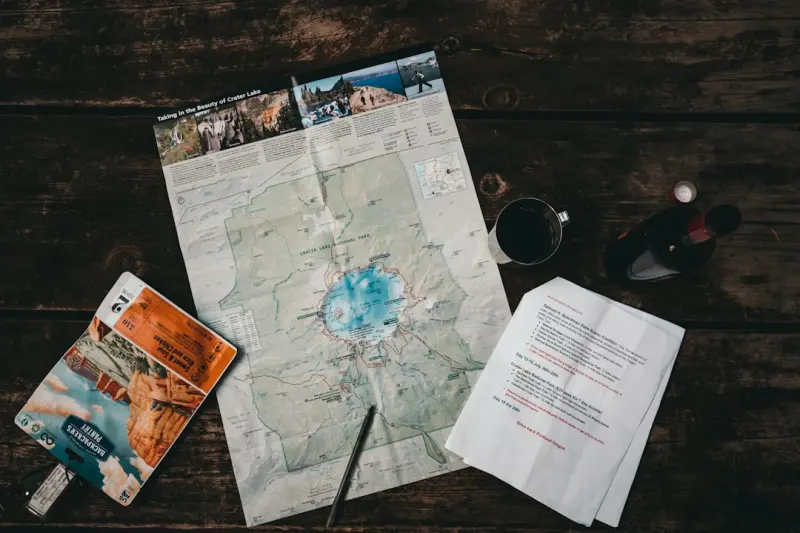
- Offline mapping: Download paper maps or offline map apps that don’t rely on constant GPS, encouraging you to navigate with curiosity.
- Local‑first research: Use local forums or community boards instead of global travel blogs, which often perpetuate homogenized recommendations.
These practices deepen immersion and protect the mental clarity that makes travel enriching.
7. The Healing Power of Unplanned Detours
Every traveler knows the thrill of stumbling onto a hidden alley, a quiet park, or a bustling market that wasn’t on any guide. These unplanned moments are where true transformation happens. To invite them, build flexibility into your schedule:
- Time buffers: Allocate “free blocks” of two to three hours each day with no specific destination in mind.
- Local recommendations: Ask a resident for a place they love, even if it’s off the beaten path.
- Follow the senses: Let a compelling scent, a melodic sound, or a vivid color draw you in.
When you surrender to the unknown, you often discover the most authentic facets of a culture.
8. Crafting a Post‑Travel Reflection Ritual
Returning home can feel anticlimactic if you don’t honor the transition. A simple reflection ritual helps you integrate lessons learned and sustain the positive habits you cultivated abroad.
My favorite method combines three steps:
- Journaling: Write a 500‑word entry about the most surprising thing you learned, the challenge you overcame, and the person who impacted you most.
- Visual collage: Assemble photos, ticket stubs, and sketches into a single page layout, then display it in a visible spot.
- Action plan: Identify one habit you’d like to maintain—perhaps a morning meditation inspired by a sunrise hike—and set a concrete, weekly schedule for it.
This ritual bridges the gap between the traveler’s mindset and everyday life, ensuring the journey continues to shape you long after you’ve unpacked.
9. Embracing Ethical Technology While Abroad
Technology can amplify both the positive and negative aspects of travel. While you’re exploring, consider how the tools you use impact the places you visit. Opt for apps that prioritize privacy, low data consumption, and local economies. For instance, many cities now offer community‑run ride‑share platforms that keep earnings within the neighborhood instead of large corporations.
By selecting ethical tech solutions, you become a small but meaningful part of a larger movement toward responsible tourism.
10. The Lasting Gift: A Travel Mindset That Fuels Innovation
Travel isn’t just a break from work; it’s a catalyst for creative thinking. When you observe how a different culture solves everyday problems—be it a water‑conserving irrigation system, a communal dining tradition, or an intuitive public‑transport layout—you gather a toolbox of ideas that can be repurposed in your own professional sphere.
Next time you sit in a brainstorming session, recall the unexpected lesson from that alley market or the quiet patience you learned from a sunrise meditation. Those memories act as mental “Easter eggs” that spark fresh perspectives and innovative solutions.
In the end, travel is an ever‑evolving conversation between you and the world. By approaching it with intention, sustainability, and openness, you’ll discover not just new places, but new versions of yourself.

When it comes to the world of blogging and writing, Rose DesRochers is a name that stands out. Her passion for creating quality content and connecting with her audience has made her a trusted voice in the industry. Aside from her skills as a writer and blogger, Rose is also known for her compassionate nature.
Related Posts

Beyond the Bucket List: Crafting Intentional Mini‑Escapes for the Remote Era
Learn to plan and execute intentional mini‑escapes that refresh your mind, spark new ideas, and en... Read More
Culinary Cartography: How AR is Redrawing the Food Map of Travel
A deep dive into using AR to map culinary experiences, blending data, sensors, and community insight... Read More

How Travel Journaling Turns Fleeting Moments Into Lasting Memories
Explore why a travel journal is your best travel companion, how to choose the right medium, and tips... Read More
Top Posts

Sound Healing: Tuning Your Body for Modern Wellness
Jessica Gills shares how integrating binaural beats, nature ambiences, and smart‑speaker routines into daily life can transform stress into calm, boost focus,...Read More
Beyond the Office: Crafting Trust and Well‑Being in Remote‑First Teams
A deep dive into how remote‑first teams can build lasting trust, use ethical AI for unbiased reviews, adopt micro‑journaling for wellbeing, and create inter...Read More

Garden Desks: The Unexpected Edge for Modern Workers
A garden desk isn’t just a piece of furniture; it’s a productivity catalyst that blends nature with work, giving you a competitive edge in today’s employm...Read More

Why the First 90 Days Define a Modern Employee‑Employer Relationship
The first 90 days shape an employee’s long‑term success. This post explores neuroscience, data‑driven onboarding, cultural rituals, and future‑proof tac...Read More
0 Comments
Post Comment
You will need to Login or Register to comment on this post!