
Why the Little Things Matter More Than You Think
When I first moved into my downtown loft, I thought the biggest upgrade would be a bigger couch or a flashier TV. What I quickly discovered was that the invisible layers of our homes—light, texture, and subtle habits—shape our mood, focus, and even our health more powerfully than any high‑end gadget. In this post I’m sharing the three low‑effort, high‑impact tweaks that have turned my living space from a noisy, draining backdrop into a calm, energizing hub. Think of it as a “home comfort hack” that anyone can adopt without a full renovation.
1. Harness Natural Light Like a Pro
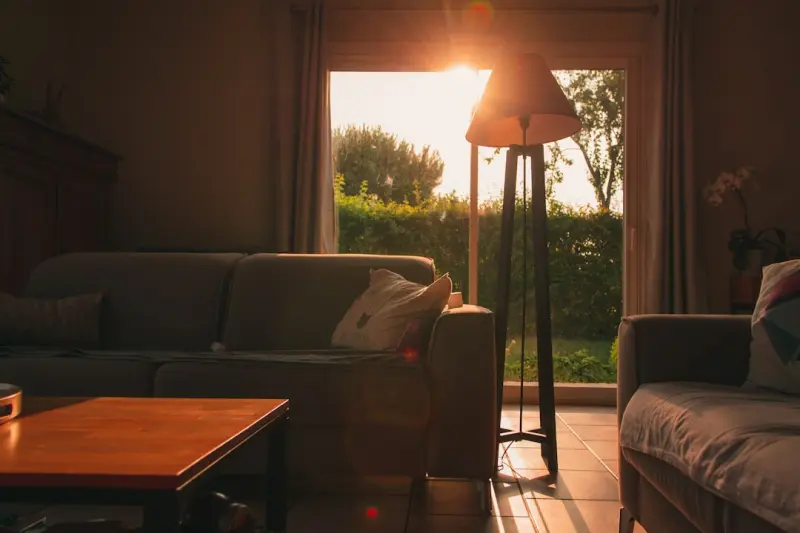
Most of us treat windows as decorative frames for a view, but they’re actually dynamic health tools. Sunlight regulates our circadian rhythm, boosts serotonin, and even improves skin tone. Yet we often block it with heavy curtains or position workstations away from the light.
Here’s a quick audit you can run in five minutes:
- Morning glow: Position your coffee station near a south‑facing window. The early light helps you shake off sleep inertia.
- Work zone: Align your laptop screen perpendicular to the window to reduce glare while still soaking in ambient light.
- Evening wind‑down: Use sheer curtains that filter the sunset, signaling to your brain that it’s time to unwind.
If you can’t get enough daylight because of a cramped floorplan, consider light‑diffusing panels or a strategically placed mirror to bounce light deeper into the room. The goal isn’t to flood the space, but to create a gentle, consistent illumination that supports focus during the day and relaxation at night.
2. Choose Materials That Breathe
Hard, synthetic surfaces can amplify stress. Think of the difference between a cold plastic chair and a warm wooden bench. Natural materials—wood, stone, cotton, linen—have a subtle way of grounding us. They regulate temperature, absorb sound, and add a tactile richness that reminds us we’re in a living environment, not a sterile office.
Start small:
- Flooring: If you have hardwood, keep it polished but add a woven rug for comfort. For carpeted spaces, opt for low‑pile, natural‑fiber options like sisal.
- Furniture: Swap a plastic coffee table for reclaimed wood or a live‑edge slab. The imperfections become conversation starters.
- Soft furnishings: Replace polyester throw pillows with linen or organic cotton. They’re breathable and feel cooler in summer.
These choices also play well with indoor plants, which thrive in breathable, natural settings. A few well‑placed succulents or a trailing pothos can enhance the material palette while cleaning the air.
3. Create “Micro‑Sanctuaries” in High‑Traffic Areas
Even if you’re not ready to go full‑blown tech‑free, you can carve out tiny zones that act as mental reset buttons. I call these “micro‑sanctuaries”—a corner, a shelf, or a single chair that’s dedicated to a specific, calming activity.
Examples include:
- Reading Nook: A comfy armchair, a small lamp with a warm hue, and a shelf of your favorite books. No screens, just the occasional page turn.
- Breathing Spot: A low‑profile floor cushion placed near a window, paired with a simple scent diffuser using lavender or eucalyptus. Spend five minutes here for a quick reset.
- Creative Corner: A small desk with a sketchpad, colored pencils, and a jar of smooth stones. Use it for doodling when ideas need a spark.
These pockets of intention help you transition between tasks without the cognitive overload that comes from constantly shifting contexts.
4. Declutter with Purpose, Not Just Aesthetics
Clutter is more than visual chaos; it creates hidden friction that saps mental energy. While we’ve already covered storage in Hidden Storage Hacks That Turn Clutter Into Calm, the key is to align storage solutions with your daily flow, not just hide things away.
Ask yourself:
- Do I need this item within arm’s reach, or can it live in a less prominent spot?
- Is the storage solution reinforcing a habit I want (e.g., a charging station for devices) or a habit I’m trying to break (e.g., a “dump” basket for mail that never gets sorted)?
When you pair purposeful storage with the natural materials mentioned earlier—think bamboo bins or woven baskets—the visual impact feels intentional rather than forced.
5. Optimize Your Home’s Soundscape (Without Going Full‑Silent)
We all love a quiet home, but absolute silence can feel eerie. Instead, curate a gentle auditory backdrop that supports the activity you’re doing. A soft rain playlist while you cook, a low‑volume ambient track during focused work, or even the hum of a ceiling fan can act as a “white‑noise” buffer against sudden interruptions.
Pro tip: Use a smart speaker to set timers that fade out music after a set period—this signals the end of a work session without a harsh alarm.
6. Bring Mindful Routines Into Everyday Home Tasks
Home chores don’t have to be mindless drudgery. Turn dishwashing into a brief meditation: focus on the temperature of the water, the texture of the plates, and the rhythm of your movements. Similarly, when you’re folding laundry, notice the fabric’s weight and the scent of the detergent. These tiny mindfulness moments transform routine tasks into opportunities for grounding.
For more on integrating mindfulness into daily habits, check out our Ritual Reset guide, which shares practical steps you can adapt to any activity.
7. Leverage Tech Thoughtfully, Not Intrusively
Smart home devices can be allies when used judiciously. Instead of having your thermostat constantly adjust itself, set a simple schedule that mirrors your natural sleep cycle. Use motion‑activated lighting in hallways to reduce late‑night glare. The trick is to let technology serve the rhythm you’ve established, not dictate it.
Remember the principle behind a Tech‑Free Sanctuary: it’s not about banning all gadgets, but about creating zones where digital noise is minimized. Pair this with a “device drawer” where you stash phones and tablets during meals or reading time.
8. Seasonal Swaps That Keep Your Home Fresh Year‑Round
Instead of a massive deep clean each spring, adopt small seasonal swaps:
- Spring: Rotate lighter curtains, add fresh herbs on the windowsill, and swap heavy blankets for breathable throws.
- Summer: Introduce a hanging basket of air‑purifying plants, use a portable fan with a natural wood finish, and replace dark rugs with light, natural fibers.
- Fall: Bring in a few scented candles with cinnamon or cedar, add a plush wool blanket, and switch to amber‑toned lighting.
- Winter: Use layered lighting (floor lamp + table lamp) for a warm glow, incorporate a rug that feels cozy underfoot, and keep a small indoor water feature for gentle sound.
These micro‑adjustments keep the environment aligned with the changing daylight and temperature, helping your body and mind stay in sync.
9. Personalize Your Space With Meaningful Objects
Objects that tell a story—travel souvenirs, family photos, hand‑made ceramics—anchor us to our personal narrative. When you see a piece that reminds you of a happy memory, your brain releases dopamine, a subtle boost that counters stress. Curate a “memory shelf” where each item has a short caption or a tiny card explaining its significance. This practice not only beautifies your home but also reinforces a sense of belonging.
10. Keep a “Comfort Log” to Track What Works
Finally, treat home optimization like a personal experiment. Keep a simple journal (digital or paper) where you note the time of day, the lighting level, the material you’re touching, and how you felt. Over a few weeks you’ll spot patterns: perhaps you’re most productive with a west‑facing light at 10 am, or you feel calmer after a 10‑minute breathing spot session. Use these insights to fine‑tune your environment continuously.
Putting It All Together
Transforming your home into a comfort‑centric sanctuary isn’t about overhauling everything at once. It’s a series of intentional, bite‑sized changes that accumulate into a space that supports your wellbeing, focus, and creativity. Start with one area—maybe the lighting—apply the tweaks, and observe the shift. Then move on to materials, micro‑sanctuaries, and mindful routines. Before you know it, you’ll have a living environment that feels like a personal retreat, boosting your daily performance without you even realizing it.

David Moore is a freelance writer specializing in two dynamic and ever-evolving fields: gambling and the tech industry. With a keen eye for detail and a knack for unraveling complex topics, David delivers insightful and engaging content that keeps readers informed and entertained.
Related Posts
Designing a Personal Recharge Nook: Your Home’s Secret Power‑Up Spot
A recharge nook is a curated micro‑space that resets your mind and body. Learn how to pick the per... Read More

Turn Your Bathroom into a Budget Spa Retreat
Discover step‑by‑step tips to create a budget‑friendly spa‑inspired bathroom, from lighting ... Read More

The Home Power Grid: Turning Every Room Into a Productivity Hub
Learn how to map energy zones, wire your space with smart tools, and design a flexible home power gr... Read More
Top Posts
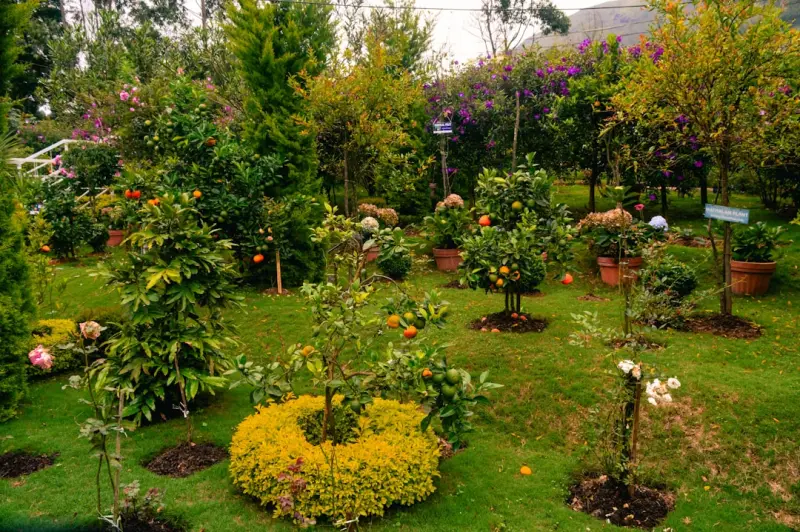
The Five‑Senses Garden: Designing a Home Oasis You Can Touch, Hear, Smell, See, and Taste
Explore how to create a garden that engages all five senses—touch, sound, smell, sight, and taste—through thoughtful plant choices, DIY projects, and season...Read More

The Secret Benefits of Daily Mental Reset Practices
Learn how brief breathing, gratitude snapshots, sensory grounding, and micro‑reflection can become powerful daily reset practices that enhance mental clarity ...Read More
When AI Becomes Your Co‑Creator: Rethinking Human‑Machine Collaboration
Discover why treating AI as a collaborative partner—rather than just a tool—boosts creativity, builds trust, and safeguards ethics, offering a fresh roadmap...Read More

Strategic Sabbaticals: Turning Time Off into Talent Gains
A deep dive into why strategic sabbaticals are becoming essential for modern employers, outlining benefits, implementation steps, and real‑world success stori...Read More
0 Comments
Post Comment
You will need to Login or Register to comment on this post!