
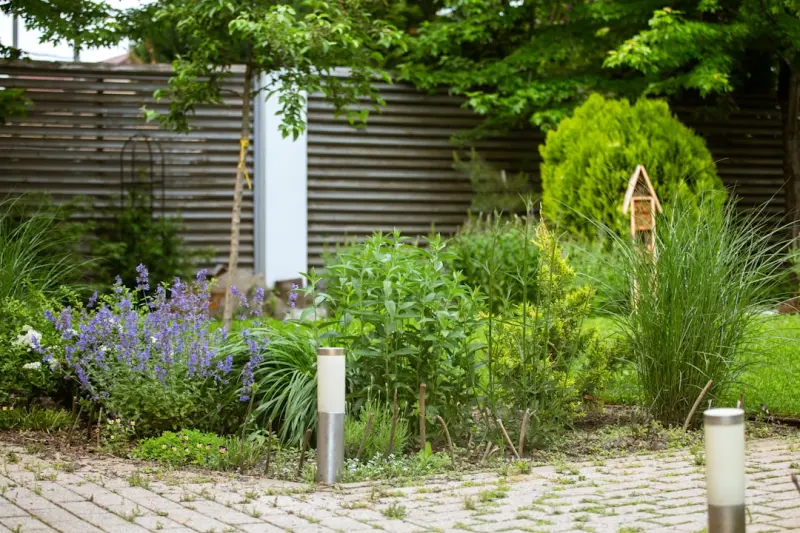
Finding Your Garden’s Voice
When you step outside, the first thing you notice isn’t the color of the roses or the layout of the paths, it’s the soundscape that greets you, a chorus of wind, water, and rustling leaves that can either soothe or distract; I’ve spent countless evenings listening to my own backyard and realized that the acoustic character of a garden is as intentional as any planting scheme, shaping mood and defining space. By treating sound as a design element, you can transform a plain patio into a retreat that feels like a private concert hall or a tranquil spa, depending on the palette you choose. In this guide I’ll walk you through the process of curating a garden soundscape that reflects your personality, using simple, budget‑friendly tricks that anyone can apply.
Understanding the Basics of Outdoor Acoustics
Outdoor acoustics work on a delicate balance between sound production, reflection, and absorption, and unlike indoor rooms, you’re dealing with open air, variable weather, and ever‑changing foliage, which means you need to think about how each element will behave throughout the seasons; dense shrubs act like natural sound absorbers, while hard surfaces such as stone or metal can bounce waves, creating echo or resonance. The goal is to identify which frequencies you want to emphasize – the gentle trickle of water, the soft hum of wind through grasses, or the rhythmic patter of birds – and then select materials that either amplify or soften those tones. This foundational knowledge will empower you to make informed choices when adding features like water fountains or acoustic panels.
Choosing Natural Sound Sources
One of the most rewarding ways to enrich your garden’s audio palette is to incorporate elements that generate sound without electricity, such as wind chimes, bamboo water spouts, and rustling grasses, each offering a distinct timbre that can become a signature of your outdoor haven; for instance, a row of tall ornamental grasses swaying in the breeze creates a soft, whispering background that pairs beautifully with the occasional bird call. When selecting these natural sources, consider durability, maintenance, and how they will integrate with your existing plantings, opting for species that thrive in your climate to ensure a consistent performance year after year. By layering multiple organic sounds, you can craft a dynamic environment that evolves with the seasons, keeping the experience fresh and engaging.
DIY Water Features for Soothing Flow
Water is the ultimate acoustic catalyst, providing a steady, calming rhythm that can mask unwanted urban noise, and you don’t need a professional installer to add a small waterfall or bubbling trough; a simple recirculating pump paired with a reclaimed stone basin can create a gentle cascade that becomes the heart of your garden’s sound design. Position the water feature near seating areas to maximize the therapeutic effect, and experiment with different flow rates – a slow drip produces a delicate patter, while a more vigorous stream adds a lively splash, each offering a distinct mood. If you’re looking for inspiration on how technology can simplify garden maintenance, check out the smart irrigation guide, which also covers pump selection and energy‑saving tips.
Hardscape Materials as Acoustic Mirrors
Strategically placed hardscape elements such as flagstone patios, low walls, and decorative metal sculptures can serve as acoustic mirrors, reflecting and projecting sounds to create pockets of intimacy or expansiveness, much like a concert hall uses panels to direct music; a raised stone bench behind a water feature, for example, will bounce the water’s gentle roar toward a nearby lounge chair, enhancing the auditory experience without adding extra noise. To avoid harsh echoes that can feel jarring, combine reflective surfaces with softer, porous materials like gravel, mulch, or textured concrete, which absorb excess reverberation and keep the sound balanced. By thoughtfully arranging these components, you can sculpt the garden’s acoustic profile, guiding visitors through zones of calm and vitality as they move through the space.
Integrating Plants for Sound Absorption
While foliage is often celebrated for its visual appeal, it also plays a crucial role in dampening unwanted noise, acting as a natural sound absorber that softens the clatter of traffic or neighbors; dense evergreen hedges, thick groundcovers, and layered plantings form a living acoustic barrier that can reduce decibel levels by up to ten dB when properly arranged. Plant selection should focus on species with broad, leathery leaves and multi‑stem growth habits, such as holly, boxwood, or ornamental grasses, which capture and dissipate sound waves more efficiently than sparse or delicate foliage. For ideas on creating immersive sensory environments, you might explore the five‑sense garden oasis, which highlights how plant choice influences not just sight and smell but also the acoustic backdrop of your yard.
Smart Technology for Dynamic Sound Management
Modern garden enthusiasts can now blend analog charm with digital precision, using smart speakers and weather‑responsive controllers to adjust sound levels automatically, ensuring that your water feature runs louder on breezy days and softer during quiet evenings, all while conserving energy; systems that sync with rain sensors can pause pumps during heavy downpours, preventing unwanted splashing and protecting equipment. Additionally, Bluetooth‑enabled ambient sound generators can layer subtle forest or ocean recordings, complementing natural sounds when the garden is empty, creating an illusion of continuous life. Embracing these tools allows you to fine‑tune your acoustic environment with the same care you give to plant watering schedules, delivering a consistently harmonious outdoor retreat.
Seasonal Adjustments to Keep the Sound Fresh
Just as you rotate plants to keep your garden vibrant, you should also adapt your soundscape with the seasons, swapping out wind chimes for rustling seedheads in autumn, or adding a shallow ice‑melting fountain in winter that produces a gentle hiss, maintaining auditory interest year round; these subtle changes prevent the space from feeling static and encourage visitors to return for new experiences. Seasonal foliage also affects acoustic properties – deciduous trees lose leaves in fall, reducing sound absorption and allowing distant noises to travel farther, so you might temporarily introduce temporary sound‑absorbing screens or extra mulch to preserve tranquility. By planning these adjustments in advance, you ensure that your garden’s voice remains lively and appropriate throughout the year.
Bringing It All Together: Your Personal Sound Sanctuary
Creating a garden that sings to your soul is a layered process that blends natural elements, thoughtful hardscape design, strategic planting, and a dash of smart tech, culminating in a space where every rustle, splash, and hum feels intentional and soothing; start by mapping out zones, identifying where you want focus or diffusion, then select the appropriate sound sources and materials that align with those intentions. Remember that the most memorable gardens are those that engage multiple senses, so don’t hesitate to pair auditory features with fragrant herbs, tactile textures, and striking visuals for a truly immersive experience. With a bit of planning and a willingness to experiment, you’ll soon find yourself stepping into a backyard that not only looks beautiful but also sounds like a personal sanctuary, inviting you to unwind, reflect, and enjoy the symphony of nature you’ve composed.

Jimmy Damon loves to right on a large scale of topics with all things Canadian as this Montreal die hard loves hockey. fishing and sports.
Related Posts
From Backyard to Boardroom: My Garden Desk Journey
Explore the rise of garden desks, their mental‑health benefits, design tips, and why they’re res... Read More

Why My Garden Desk Became the Heart of My Home
A personal journey from cubicle to garden desk reveals the health, creativity, and community benefit... Read More

Vertical Gardens: Maximizing Space and Style in Small Homes
Learn to turn walls into thriving vertical gardens, blending design, sustainability, and budget‑fr... Read More
Top Posts

From My Garden Desk: Jimmy Damon’s Vision for the Future of Employment
Jimmy Damon reveals why turning your garden into a home office boosts productivity, mental health, and aligns with emerging employment trends. Discover practica...Read More

Beyond Sight: Harnessing Sound, Taste, and Rhythm for Deeper Travel
Explore a fresh travel approach that prioritizes sound, flavor, and rhythm, turning every journey into a lasting sensory adventure....Read More

Micro‑Adventure Travel: Tiny Trips, Big Impact
Micro‑adventures offer a fresh, low‑impact way to explore, focusing on local immersion, minimal gear, and memorable moments that last longer than a souvenir...Read More

The Kitchen Compass: How Community Cooking Redefines the Travel Experience
Travel isn’t just about sights; it’s about shared meals. Learn how joining community kitchens can turn any trip into a richer, more immersive adventure....Read More
0 Comments
Post Comment
You will need to Login or Register to comment on this post!