
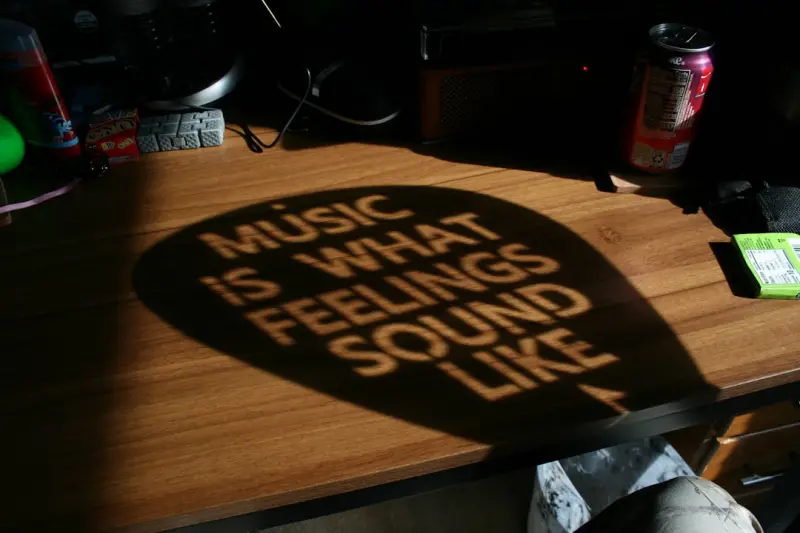
Sensing the Road Before You Arrive
Most travelers plan around maps, itineraries, and must‑see landmarks, but the most memorable trips begin long before the suitcase clicks shut. I’ve learned that the first impression of a place arrives through the ears—whether it’s the distant call of a night market vendor or the soft rustle of pine in a mountain valley. When you tune in to those sounds on the train, in the airport lounge, or even in the quiet of your own kitchen, you set a subconscious stage that reshapes every sight and flavor that follows. This auditory prelude transforms a destination from a checklist of sights into a living, breathing experience you can carry home.
The Soundtrack of Exploration
Instead of defaulting to a playlist of familiar hits, I let the local soundscape become the background score of my adventure. In a bustling street market, the clatter of plates, the chatter of vendors, and the occasional burst of laughter create a rhythm that invites you to move slower, listen deeper, and notice details you’d otherwise miss. When I travel to a coastal town, the steady hush of waves against the pier becomes a meditative metronome, grounding my thoughts and sharpening my focus. By swapping earbuds for open ears, the world’s natural music replaces the noise of daily life, and you return feeling more centered and alive.
Tasting the Terrain: Micro‑Cuisine Journeys
Every place has a signature bite that tells a story louder than any guidebook. I treat each new dish as a passport stamp for my palate, seeking out street‑food stalls, family‑run cafés, and market stalls where recipes have been handed down for generations. The act of sharing a simple snack with a local—perhaps a spiced flatbread or a tangy fermented tea—creates an instant bond that transcends language barriers. For a deeper dive into how shared meals can reshape connections, check out Cooking Together: How Shared Meals Rewire Stress and Build Connection. These bite‑size encounters become vivid memories, anchoring the visual and auditory impressions with flavor.
Colors That Speak, Not Just See
While the eyes absorb landscapes, the brain interprets color as emotion, a subtle cue that can lift spirits or calm nerves. Walking through a town painted in pastel hues or a desert washed in ochre tones can instantly affect mood, much like the psychological effects described in The Hidden Palette: Using Color to Rewire Your Mood. I make it a habit to notice the dominant palettes of a place—whether it’s the turquoise of a seaside market or the deep amber of a sunrise over the hills—and let those shades influence my daily rhythm. By consciously aligning my activities with the surrounding color energy, I find myself moving more fluidly through each day of travel.
Finding Rhythm in Motion
Travel isn’t just about arriving; it’s about how you move between points. I swap the typical rush‑hour taxi for a leisurely walk, a bike ride, or even a spontaneous dance with locals during a street festival. The simple act of putting one foot in front of the other, matching the cadence of a city’s heartbeat, creates a physical connection to the environment that static sightseeing can’t match. These rhythmic moments often trigger spontaneous conversations, unexpected invitations, and a sense of belonging that feels like a private backstage pass to the culture.
Unplug to Recharge: The Digital Detox Trail
Modern travel is riddled with notifications, Wi‑Fi hunting, and endless scrolling—an invisible weight that can drain the joy out of discovery. I intentionally leave my phone on airplane mode during the first few hours of arrival, allowing the natural sounds and scents to fill the void. This digital break sharpens my senses, making the taste of fresh fruit taste sweeter, the texture of stone paths feel more distinct, and the colors of sunset appear more vivid. When you return home, you’ll notice that the clarity gained on the road carries over into everyday decision‑making and creativity.
Pack Light, Live Light
Every item you bring on a trip is a promise of space it will occupy in your mind. By stripping my luggage down to essentials—versatile clothing, a notebook, and a reusable water bottle—I create physical room for mental flexibility. The discipline of packing light mirrors the mindfulness needed to fully experience each moment without the clutter of “what if I forgot something?” This minimalist approach also translates to everyday life, encouraging a decluttered home, clearer priorities, and a more intentional lifestyle. The lessons learned on the road become a blueprint for a calmer, more focused existence.
Turning Travel Lessons Into Daily Rituals
When the journey ends, the real adventure begins: integrating the sensory richness of travel into your routine. I keep a small journal of sounds, scents, and flavors that resonated most, revisiting the entries when I need a mental reset. I also experiment with cooking dishes discovered abroad, curating playlists inspired by foreign street sounds, and adding splashes of destination‑specific colors to my workspace. By weaving these travel‑born habits into daily life, the world remains a source of inspiration, not just a distant memory. Your next trip doesn’t have to be a grand escape; it can be a series of small, sensory experiments that keep the spirit of exploration alive.

Jim Pearse, a seasoned freelance writer, brings a wealth of knowledge and passion to the world of home and garden. From the intricacies of landscaping to the nuances of interior design, Jim delves into every aspect of creating comfortable, beautiful, and functional living spaces.
Related Posts
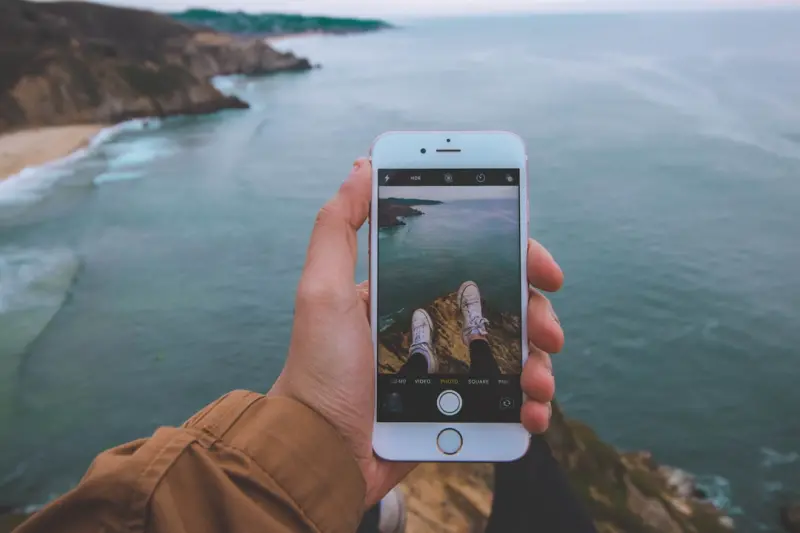
The Phone‑Free Travel Reset: Reclaiming Presence on the Road
A phone‑free day on the road lets you hear market chatter, taste food before photographing it, and... Read More

Beyond the Guidebook: Designing Travel Experiences That Nourish the Soul
Explore a fresh travel mindset that prioritizes intentional journeys, sustainable practices, and dee... Read More
How to Turn Every Trip into a Two‑Week Skill‑Swap Sprint
Explore the concept of a skill‑swap sprint, where each journey is designed around learning a local... Read More
Top Posts
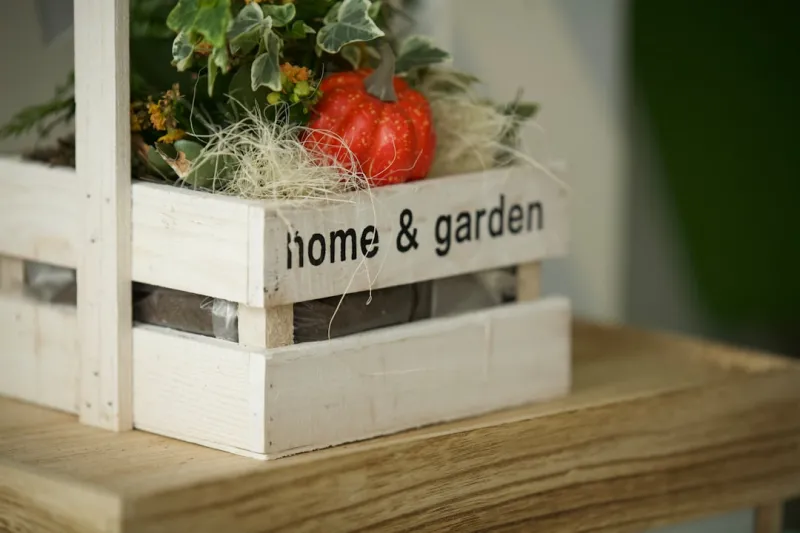
Garden Desks: How My Outdoor Workspace Became the Hottest Home & Garden Trend of 2024
Jimmy Damon shares his personal journey building a garden desk, revealing how this outdoor workspace boosts health, sustainability, and productivity—making it...Read More

From Micro‑Shadowing to Skill Swaps: A Fresh Playbook for Career Agility
Explore a fresh playbook that leverages micro‑shadowing, skill‑swap programs, and flexible work arrangements to turn everyday tasks into powerful career acc...Read More

From Backyard to Boardroom: How Garden Desks Are Redefining Employment
Explore how a garden desk blends nature with work, enhancing focus, creativity, and career growth while promoting sustainability and well‑being....Read More
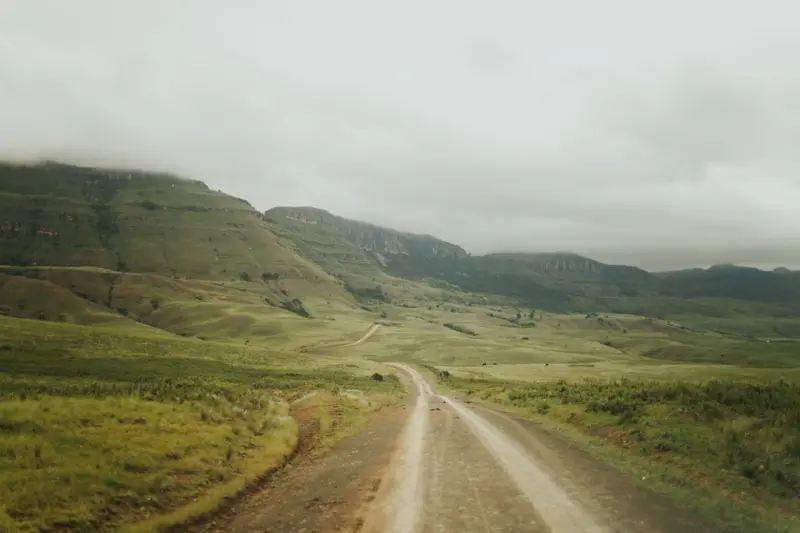
When the Road Becomes a Canvas: Crafting a Sensory‑Rich Travel Experience
Explore a fresh travel approach that goes beyond sight, using aroma, sound, taste, touch, and subtle movement to create lasting, multi‑dimensional memories....Read More
0 Comments
Post Comment
You will need to Login or Register to comment on this post!