
Why Micro‑Adventure Travel Is the Next Big Thing
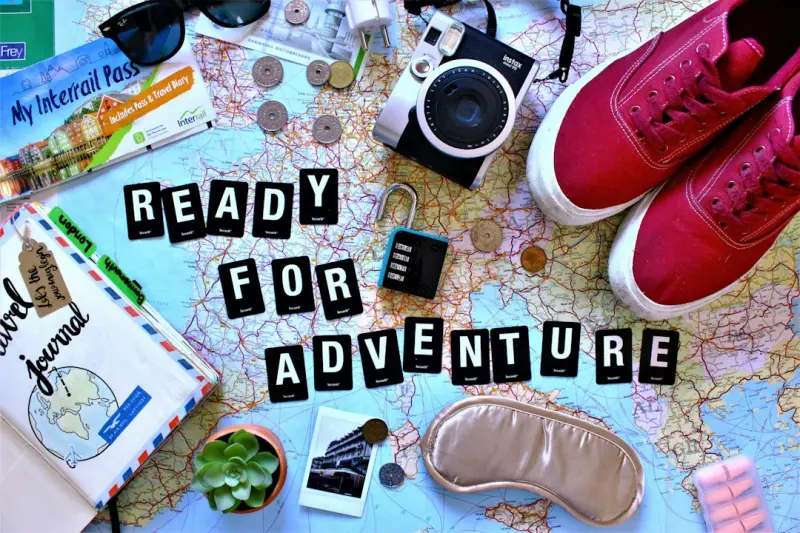
When the wanderlust bug bites, most of us picture sprawling itineraries, endless flight bookings, and a suitcase that feels heavier than our aspirations. Yet a growing cohort of travelers is swapping marathon journeys for micro‑adventures—short, intentional escapes that fit into a weekend, a long weekend, or even a single night. This isn’t about cutting corners; it’s about sharpening focus. By dialing down the scope, you dial up the intensity of experience, making each moment more vivid, memorable, and sustainable.
Micro‑adventures thrive on three core principles: local immersion, minimal impact, and creative resourcefulness. They ask you to ask, “What can I do with what I already have?” instead of “What can I rent or buy?” The result is a travel style that feels fresh, affordable, and surprisingly rewarding.
The Environmental Edge of Going Small
Large‑scale tourism has a well‑documented carbon footprint: long‑haul flights, over‑crowded attractions, and the perpetual churn of disposable souvenirs. Micro‑adventures flip this script. By staying close to home—or at least staying within a few hours’ drive—you dramatically cut emissions. A 50‑mile hike, a night under the stars in a regional park, or a day‑long kayak trip on a nearby river all have a fraction of the environmental cost of a cross‑continent flight.
Beyond carbon, micro‑adventures encourage a leave‑no‑trace ethic. When you’re only out for a night or two, you’re more attuned to the environment because you’re relying on it for immediate comfort and safety. This heightened awareness often translates into better stewardship: packing out all waste, respecting wildlife, and choosing low‑impact activities.
Designing a 48‑Hour Escape: From Idea to Itinerary
Planning a micro‑adventure might seem trivial, but the most rewarding escapes are those that balance spontaneity with a touch of structure. Here’s a step‑by‑step framework you can adapt for any locale:
- Identify a focal point. Choose a natural feature (mountain, lake, forest) or a cultural hub (historic town, artisan market) that excites you.
- Set a clear goal. Whether it’s catching sunrise from a ridge, learning a local craft, or completing a 10‑mile loop trail, having a tangible objective gives purpose.
- Map logistics. Determine travel time, parking or public transit options, and any permits needed. Remember, the charm of a micro‑adventure lies in its simplicity—avoid over‑packing your schedule.
- Pack light, pack smart. A daypack, weather‑appropriate layers, a reusable water bottle, and a compact first‑aid kit are usually enough.
- Plan a single, memorable meal. Instead of a series of restaurants, find a local spot known for one signature dish, or bring a portable stove to cook over a campfire.
For inspiration, check out how some travelers are turning trips into experiments. The mindset of treating each outing as a small‑scale study can help you refine your own micro‑adventure formula.
Tech Tools That Keep It Light (And Light‑hearted)
Modern travel isn’t synonymous with heavy gear. A handful of apps can replace bulky maps, guidebooks, and even some equipment:
- Offline navigation. Apps like Maps.me let you download detailed topographic maps, so you never need a physical map.
- Community‑sourced trail info. Platforms such as AllTrails or Gaia GPS provide recent user reports on trail conditions, water sources, and wildlife sightings.
- Eco‑tracking. Use carbon‑offset calculators to understand the impact of your journey and discover local projects you can support.
- Audio guides. Instead of printed brochures, download short audio narratives that enrich your hike with history and folklore.
These digital helpers echo the philosophy behind micro‑rituals that boost well‑being without demanding extra time—just a few taps on your phone.
Storytelling Without the Noise: Capturing the Essence
One of the biggest challenges for micro‑adventure enthusiasts is how to share the experience without drowning it in generic Instagram captions. The key is to focus on detail over quantity. Choose a single sensory anchor—a scent of pine, the crunch of gravel underfoot, the taste of a locally sourced berry jam—and build your narrative around that.
Unlike the expansive narratives found in long‑haul travel blogs, micro‑adventure stories thrive on brevity and authenticity. Think of them as mini‑vignettes that capture a moment’s emotional resonance. This approach aligns well with the practice of multisensory travel, where you intentionally engage every sense, then distill that experience into a concise, impactful story.
From Souvenir to Story: Rethinking What We Take Home
Traditional travel often culminates in a bag of souvenirs—t-shirts, magnets, trinkets that end up as clutter. Micro‑adventures invite a shift toward intangible souvenirs:
- Skills learned. Maybe you mastered a basic knot, or you learned a quick foraging technique.
- Connections made. A brief conversation with a local artist can spark future collaborations.
- Personal reflections. Jotting down a single line in a pocket notebook that captures a revelation you had while watching the sunset.
These “souvenirs” have lasting value because they integrate into your daily life, enriching both personal growth and professional creativity.
Monetizing Micro‑Adventures: The Rise of Experience‑Based Economy
Entrepreneurs are catching on. Small‑scale tour operators now offer curated 48‑hour packages: a guided night hike, a cooking class using foraged ingredients, or a pop‑up photography workshop in a hidden gorge. This model supports local economies, reduces overhead, and aligns with the growing consumer demand for authentic, low‑impact experiences.
For businesses, sponsoring micro‑adventure challenges can be a powerful branding tool. Imagine a tech company providing portable solar chargers for a weekend trail race, or a wellness brand curating a series of “digital‑detox” retreats in regional parks. The synergy between brand values and the micro‑adventure ethos creates a compelling narrative that resonates with modern, environmentally conscious audiences.
Putting It All Together: Your First Micro‑Adventure Blueprint
Ready to dive in? Here’s a quick starter plan you can execute this weekend:
- Pick a destination within 2–3 hours’ drive. Look for a state park with a short loop trail and a designated campfire area.
- Set a single objective. Aim to capture the sunrise from the highest viewpoint.
- Gather gear. Pack a 20‑liter backpack, a lightweight sleeping bag, a reusable cup, and a compact camera.
- Plan meals. Pack a simple breakfast bar for the morning and bring a small pot of instant oatmeal to enjoy at the summit.
- Download offline maps. Use an app to ensure you stay on track without a signal.
- Leave a digital trace. Post a short story the next day, focusing on the scent of pine and the feeling of the cool morning air.
By following this blueprint, you’ll experience the core benefits of micro‑adventure travel: reduced environmental impact, heightened sensory engagement, and a story that feels both personal and shareable.
Looking Ahead: The Future Landscape of Micro‑Adventure
As urbanization continues and remote work becomes the norm, the demand for short, high‑impact travel experiences will only rise. Communities are already responding with pop‑up micro‑campgrounds, “stay‑and‑play” hubs, and locally sourced adventure kits. This trend promises a more decentralized travel ecosystem, where the world’s hidden gems become as accessible as your nearest coffee shop.
In this evolving landscape, the most successful travelers will be those who embrace curiosity, respect the environment, and view each micro‑adventure as a chance to deepen their connection to place—and to themselves.

Lauren Miller is a true outdoors enthusiast who has found her passion in the trades. When she's not working hard on the job, you can find her writing, camping, fishing, and exploring all that nature has to offer. A dedicated partner to her wife Beth, Lauren loves nothing more than spending quality time together and experiencing the great outdoors side by side.
Related Posts

Curiosity‑First Travel: Crafting Unscripted Adventures That Stick With You
Travel thrives on curiosity, not checklists. Learn to pack light, listen to soundscapes, and connect... Read More

Turning Wanderlust into a Personal Growth Engine
Learn to reframe travel as a purposeful growth journey, using goal‑oriented planning, on‑the‑r... Read More

When the Unexpected Becomes the Highlight: Embracing Travel Detours
Travel’s most memorable moments often come from surprise detours. This article explores the scienc... Read More
Top Posts

The Hidden Power of Workplace Communities: Building Career Resilience from Within
Explore why workplace communities are the secret engine of career growth and learn practical steps to build your own supportive professional network....Read More

When Your Morning Routine Feels Like a Spa: The Science of Multisensory Personal Care
Discover how to elevate daily grooming by engaging all five senses—texture, temperature, aroma, sound, and biofeedback—turning routine personal care into a ...Read More
Rethinking Career Capital: Building a Portfolio for the Modern Workforce
Discover why the traditional career ladder is obsolete and how to build a diversified career portfolio—combining core jobs, side projects, and continuous lear...Read More
Micro‑Transit Hubs: Reinventing the Weekend Getaway
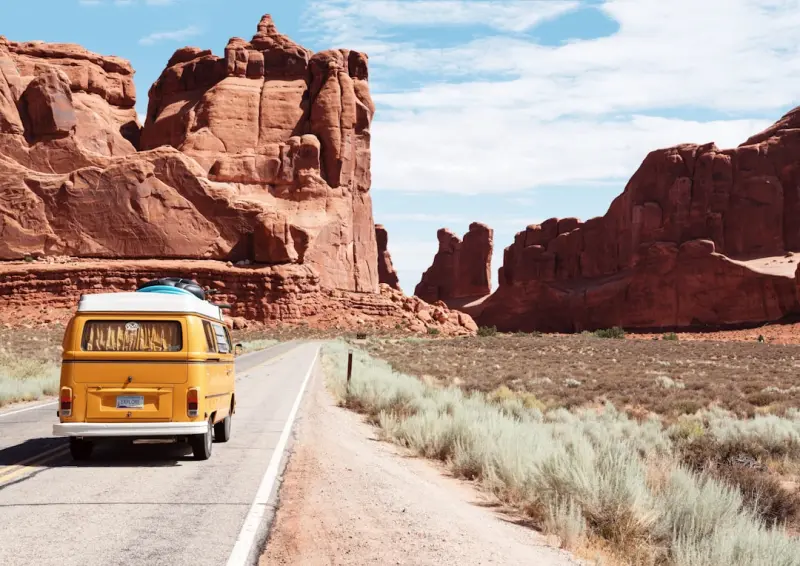
Micro‑Transit hubs combine shared mobility options and local experiences, offering a flexible, eco‑friendly alternative to traditional car‑based weekend g...Read More
0 Comments
Post Comment
You will need to Login or Register to comment on this post!