

Why Indoor Air Quality Is the Unsung Hero of a Happy Home
Most of us spend a good portion of our lives under a roof, yet we rarely pause to consider the invisible cocktail swirling around us. When dust, pollen, and stale humidity conspire, they can sap our energy, trigger allergies, and even dim our mood, turning a sanctuary into a subtle source of stress. By treating the air we breathe as an essential design element, we unlock a realm of comfort that goes beyond décor, creating a space where body, mind, and home truly sync.
Ventilation Hacks That Feel Like a Breath of Fresh Air
Natural ventilation isn’t just about cracking a window; it’s a choreography of pressure differentials, cross‑drafts, and strategic openings that coax stale air out while inviting crisp breezes in. Start by pairing a low‑level intake with a higher‑altitude exhaust—think a kitchen vent opposite a bedroom window—to create a continuous flow that works even on milder days. If you’re limited by layout, consider installing operable skylights or a discreet wall grille, turning the ceiling into a silent partner that draws warm air upward and out, leaving the lower levels cooler and fresher.
The Green Filter: Houseplants That Do More Than Look Good
Plants are nature’s air purifiers, silently scrubbing volatile organic compounds (VOCs) while adding a splash of life to any room. Species such as the snake plant, peace lily, and spider plant have earned scientific kudos for their ability to absorb formaldehyde, benzene, and trichloroethylene—common culprits in indoor pollution. Arrange them in clusters of varying heights to maximize surface area, and don’t forget to rotate pots regularly so each leaf gets its share of sunlight and cleaning power.
Designing Plant Zones for Aesthetic Flow and Function
Think of your home as a series of micro‑ecosystems, each tailored to a plant’s light and humidity preferences while still serving your visual style. A sunny kitchen windowsill becomes a herb garden, delivering fresh basil for meals and a subtle aromatic lift. In dimmer corners, opt for low‑light tolerant ferns or ZZ plants, which thrive on neglect yet still filter the air. By grouping plants with similar care needs, you reduce watering chores and create a cohesive green wall that doubles as a living piece of art.
Upcycled Furniture: Turning Reclaimed Pieces Into Air‑Friendly Accents
When you repurpose a vintage dresser or a reclaimed wood bookshelf, you’re not just saving waste—you’re also improving airflow by introducing porous materials that breathe. A reclaimed wooden ladder, for example, can become a tiered plant stand, allowing roots to access fresh soil while giving air a chance to circulate between pots. Pair this with a upcycled furniture approach that embraces natural textures, and you’ll notice how the room feels less cramped and more breathable, as the reclaimed pieces naturally absorb moisture and release it back into the environment.
Scented Wellness: Harnessing Herbs for Aroma and Air Quality
Beyond visual appeal, aromatic herbs like rosemary, mint, and lavender serve a dual purpose: they release pleasant essential oils while also acting as mild antimicrobial agents. Plant them in decorative terracotta pots near entryways or cooking zones, and you’ll enjoy a subtle, continuous fragrance that masks unwanted odors without relying on synthetic sprays. For an extra touch of luxury, harvest a few leaves and simmer them in water, letting the steam carry fresh, health‑boosting scents throughout the house.
Tech‑Savvy Air Checks: Simple Gadgets for Real‑Time Insight
Even the most diligent natural strategies benefit from a little data. Compact air quality monitors can track particulate matter, carbon dioxide, and humidity levels, flashing a quick visual cue when the air drops below optimal thresholds. Pair these readings with a smart vent or automated window opener, and you’ll have a feedback loop that adjusts ventilation on the fly—think of it as a silent butler that knows exactly when to let the breeze in and when to seal the room for comfort.
Seasonal Adjustments: Keeping Your Air Fresh Year‑Round
Winter’s closed windows and summer’s high humidity each present unique challenges, but the principles remain the same: balance, movement, and green allies. In colder months, use heat‑recovering ventilators that exchange stale air without sacrificing warmth, and keep a few hardy evergreens on the sill to maintain a low level of oxygen exchange. When summer peaks, open multiple windows early morning and late evening to capitalize on cooler breezes, and position moisture‑loving plants near humidifiers to prevent the air from becoming overly dry.
Your Next Steps Toward an Air‑Pure Home
Transforming your indoor atmosphere doesn’t require a full remodel—just a series of intentional choices that honor both function and beauty. Start by auditing your current airflow, then introduce a mix of air‑purifying plants, repurposed furniture, and a modest monitoring device. As the scent of fresh herbs drifts through a room filled with reclaimed wood and thriving foliage, you’ll feel the subtle shift from a static shelter to a living, breathing sanctuary that supports your health and happiness every day.

Jimmy Damon loves to right on a large scale of topics with all things Canadian as this Montreal die hard loves hockey. fishing and sports.
Related Posts
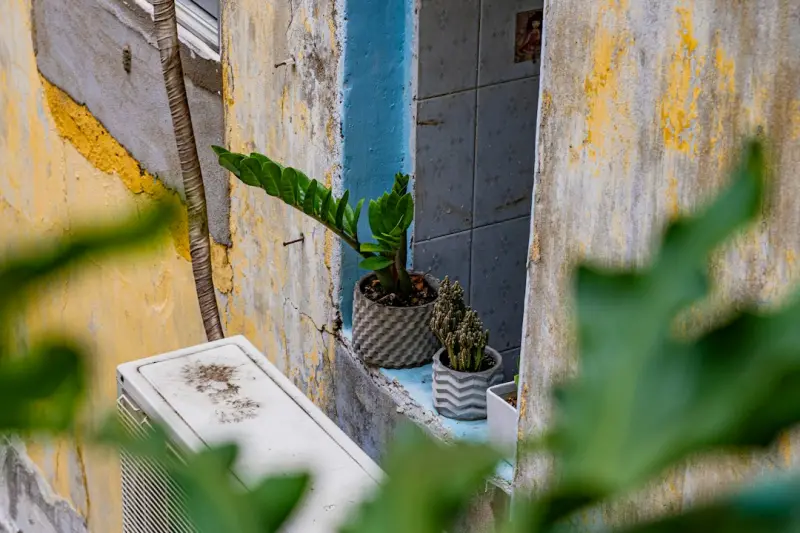
Vertical Oasis: Transforming Small Balconies into Thriving Gardens
Discover step‑by‑step techniques to turn a cramped balcony into a thriving vertical garden, usin... Read More
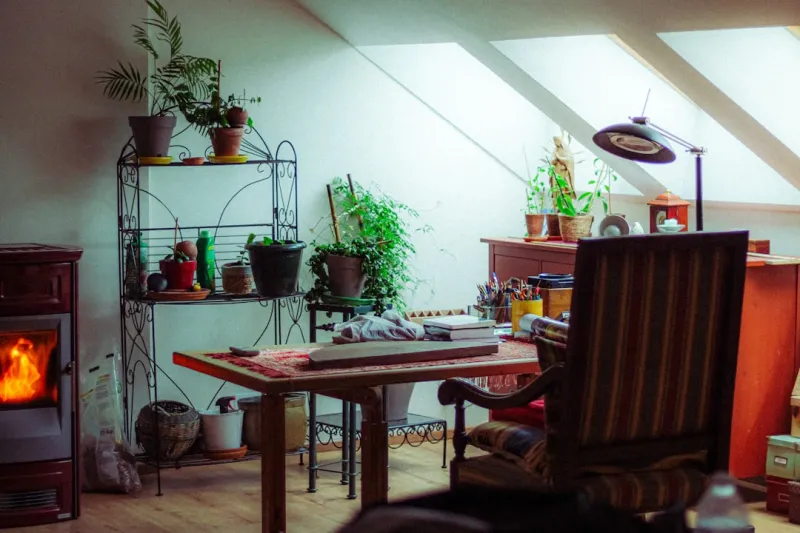
How My Garden Desk Turned My Home Into a Productivity Playground
I swapped my cramped office for a garden desk and never looked back. Here's how this outdoor workspa... Read More

Edible Landscaping: How to Grow a Beautiful, Productive Garden That Feeds Your Table
A fresh look at turning your outdoor space into a thriving edible landscape that’s as stunning as ... Read More
Top Posts

Chasing the Uncharted Railway: A Journey Through Forgotten Tracks
A traveler uncovers the charm of obscure train lines, sharing stories of spontaneous connections, historic echoes, and the art of minimalist adventure....Read More

AI‑Powered Empathy: The Next Frontier in Business Relationships
Empathy AI uses sentiment analysis, voice tone, and facial cues to scale human‑centric insights across B2B SaaS. Learn practical use cases, integration steps,...Read More
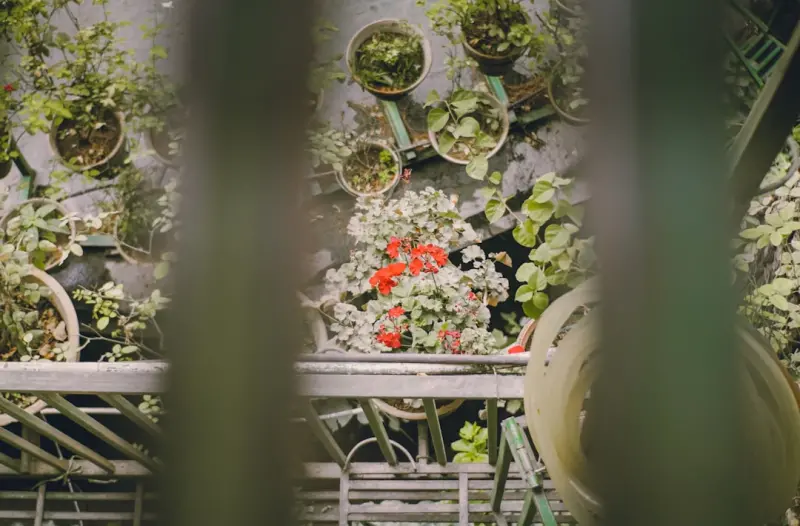
The Secret Life of Kitchen Herb Gardens: Growing Flavor Year‑Round
Learn how to turn any kitchen into a year‑round herb haven with practical tips on light, soil, watering, and harvesting, while embracing sustainable practices...Read More

Wanderlabs: Turning Every Trip into a Personal Growth Experiment
Treat each journey as a lab by setting simple hypotheses, tracking micro‑habits, and using local soundscapes, turning travel experiences into concrete persona...Read More
0 Comments
Post Comment
You will need to Login or Register to comment on this post!