
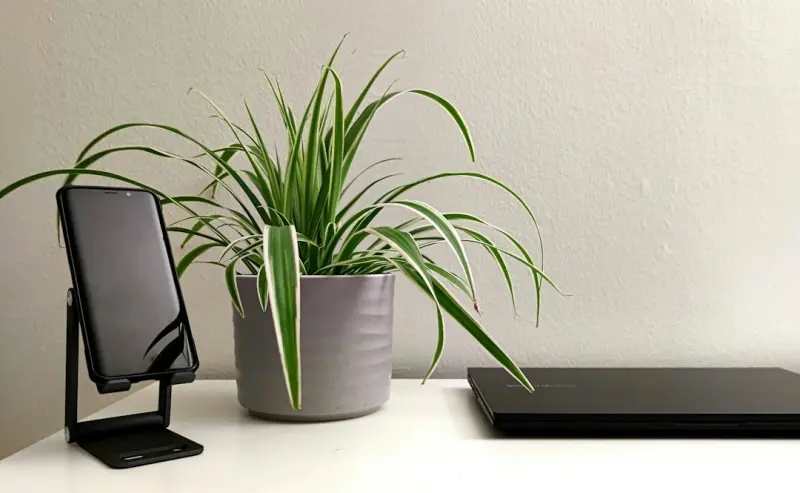
When I first set up a home office in my cramped apartment, the most obvious thing I missed was nature. A bare desk, a flickering monitor, and the endless hum of the city outside—my “workspace” felt more like a bunker than a place to thrive. It wasn’t until I started experimenting with a few humble desk companions—tiny potted greens, a sprig of rosemary, even a modest cactus—that I realized how profoundly a little plant life can recalibrate our health, mood, and productivity. This isn’t about Instagram‑ready succulents or the latest “plant parent” trend. It’s about a science‑backed, low‑effort strategy that anyone can adopt, no matter the square footage or budget.
The Hidden Health Benefits of Desk Plants
Plants are not just decorative; they are tiny, living air‑purifiers. Studies have shown that common indoor greenery can reduce concentrations of volatile organic compounds (VOCs) like formaldehyde and benzene—substances emitted by furniture, paints, and electronic devices. By absorbing these pollutants, plants improve indoor air quality, which directly impacts respiratory health, cognitive function, and even sleep quality.
Beyond filtration, plants release oxygen through photosynthesis, creating a micro‑climate of fresher air around your workstation. That subtle boost in oxygen can enhance alertness and reduce the “brain fog” that creeps in after hours of staring at a screen. Moreover, the very act of caring for a living thing triggers a release of oxytocin, the “bonding hormone,” which can lower stress hormones such as cortisol.
Choosing the Right Green Allies
Not all plants are created equal when it comes to health benefits. Here are three low‑maintenance options that pack a powerful punch:
- Spider Plant (Chlorophytum comosum)—Excellent at removing formaldehyde and xylene. It tolerates low light and irregular watering, making it perfect for a busy professional.
- Peace Lily (Spathiphyllum)—A champion at filtering out ammonia, benzene, and trichloroethylene. Its glossy leaves also double as a subtle mood‑enhancer; the plant blooms white flowers when it’s happy, reminding you to check its water levels.
- Snake Plant (Sansevieria trifasciata)—Unique because it continues to produce oxygen at night, supporting better sleep if you keep it within arm’s reach while you unwind.
If space is at a premium, consider a hanging terrarium or a wall‑mounted planter. Even a single herb, like basil or mint, can serve as a fragrant, culinary companion—plus, the scent of fresh herbs has been linked to improved concentration.
Integrating Plant Care into Your Daily Rhythm
One of the biggest obstacles to adopting a new health habit is “time scarcity.” The good news is that plant care can be woven into existing routines without adding noticeable friction. Here’s a simple framework:
- Morning Check‑In (2 minutes)—Before you fire up your laptop, glance at your plants. Look for drooping leaves (a sign of dehydration) or dust buildup (which reduces photosynthesis efficiency). A quick misting or a gentle wipe with a damp cloth does the trick.
- Lunchtime Light Reset (5 minutes)—If you have a windowsill, rotate your plants to ensure even light exposure. Use this pause to stretch, hydrate, and maybe sip a glass of water infused with a slice of cucumber—an easy way to blend hydration with a refreshing flavor.
- Evening Wind‑Down (3 minutes)—Before you shut down your computer, turn off any artificial lights near the plants and let the natural light from the window take over. This subtle dimming helps signal to your body that it’s time to prepare for rest, complementing an evening tech curfew you might already be practicing.
This three‑step ritual not only keeps the plants thriving but also creates micro‑breaks that interrupt prolonged sitting—an often‑overlooked health risk linked to cardiovascular disease and metabolic slowdown.
Plants as a Catalyst for Movement
When you place a plant a few feet away from your primary workspace, you create a natural prompt to move. Rather than staying glued to your chair, you’ll find yourself standing up to water, trim, or simply admire the foliage. Those small motions accumulate into meaningful physical activity over the course of a day.
In fact, the concept of “integrated movement” is gaining traction in wellness circles. A recent article on When Movement Meets Mind highlighted how purposeful, low‑intensity activities—like stretching to reach a high‑hanging plant—can improve circulation and reduce the musculoskeletal strain associated with desk work. By strategically positioning your greenery, you can turn routine plant care into a mini‑workout that keeps your muscles engaged and your joints lubricated.
Boosting Immunity With a Green Workspace
Beyond air filtration, plants can indirectly support immune health. Cleaner air reduces the burden on respiratory pathways, allowing immune cells to focus on genuine threats rather than constant pollutant exposure. Moreover, the stress‑reduction benefits of interacting with plants lower cortisol—a hormone that, when chronically elevated, suppresses immune function.
To amplify these effects, pair your desk plants with a few simple lifestyle tweaks:
- Hydration—Aim for at least eight cups of water a day. Keep a glass or bottle on your desk as a visual cue.
- Sunlight Breaks—Every two hours, step outside or sit near a window for five minutes to soak up natural light, which helps regulate circadian rhythms and vitamin D synthesis.
- Breathing Exercises—Take three deep breaths, inhaling through the nose and exhaling slowly, while observing your plant’s leaves. This mindfulness practice can lower heart rate and improve oxygen saturation.
Designing a Plant‑Powered Health Hub
If you’re ready to scale up from a single pot to a full‑blown “green corner,” consider the following design principles:
- Layered Heights—Mix low‑lying succulents with taller foliage like ZZ plants or pothos. The visual variety creates depth, which can reduce visual fatigue caused by staring at a flat monitor.
- Strategic Placement—Position plants near air vents to enhance airflow through the leaves, maximizing their filtration capacity.
- Texture and Color—Incorporate plants with variegated leaves or subtle blooms. The splash of green and occasional color can lift mood and improve focus, as color psychology research suggests.
Remember, the goal isn’t to transform your office into a greenhouse; it’s to introduce a sustainable, health‑centric element that integrates seamlessly with your existing workflow.
Measuring the Impact: Simple Metrics You Can Track
One of the most satisfying aspects of adopting plant‑centric health habits is seeing tangible results. You don’t need a fancy sensor kit; a few easy metrics will tell you whether the green boost is working:
- Productivity Scores—Use a simple timer (like the Pomodoro technique) and note any changes in focus or task completion rates after incorporating plant breaks.
- Mood Journal—At the end of each day, jot down a quick rating of stress levels (1‑10). Over weeks, you’ll spot trends that correlate with plant care moments.
- Air Quality Perception—While professional air monitors are pricey, you can gauge improvement by noting reduced “stale” odors or fewer headaches during the day.
Tracking these indicators helps you fine‑tune your plant selection and care routine, ensuring the health benefits stay aligned with your personal goals.
Common Pitfalls and How to Avoid Them
Even the most enthusiastic plant parent can stumble. Here are the three most frequent missteps and practical solutions:
- Over‑watering—The most common mistake. Use the “finger test”: insert a finger an inch into the soil; if it feels moist, hold off on watering.
- Neglecting Light Requirements—Place light‑loving plants like succulents near windows; shade‑tolerant varieties such as ZZ plants can thrive in dim corners.
- Ignoring Pest Signs—Inspect leaves regularly for tiny webs or yellow spots. A gentle spray of diluted neem oil can keep infestations at bay without harming your health.
From Plant Parent to Health Advocate
Integrating plants into your workspace is a small, manageable step that ripples outward. As you experience the benefits—clearer breathing, calmer mind, more frequent movement—you become a living testimonial for a healthier, greener work culture. Share your journey with colleagues, perhaps initiating a “Desk Plant Challenge” where teammates exchange cuttings and track collective wellness improvements.
In the end, the power of a plant is not just in its leaves but in the habit it cultivates: a consistent, mindful pause that reminds you to breathe, move, and nurture both yourself and the living world around you.

Karen Edwards is a seasoned freelance writer with a passion for all things furry, feathered, and scaled. With a dedicated focus on pets, she brings a wealth of knowledge and a keen eye for detail to her writing.
Related Posts

Biofeedback Breathwork: How Wearables Supercharge Your Health
Brad Hays explores the power of biofeedback-driven breathwork, showing how wearables can turn each i... Read More

Sunlit Sessions: Reclaiming Daylight for Peak Health
Explore the transformative power of daily sunlight on physical and mental health, with practical tip... Read More

Micro‑Movement Mastery: Tiny Actions, Big Health Gains
Micro‑movement transforms everyday moments into health‑boosting opportunities. Learn practical w... Read More
Top Posts

Micro‑Moments, Journaling, and the Quiet Path to Mental Balance
Explore how tiny intentional pauses, creative journaling, and mindful digital habits can transform daily stress into lasting mental balance....Read More

Turning Inbox Overload into a Mindful Flow: A New Approach to Workplace Mental Health
Learn a four‑phase “Mindful Inbox” method that turns email overload into a structured, stress‑free routine, boosting mental health and workplace perform...Read More
Scent‑Driven Self‑Care: Harnessing Aroma to Upgrade Your Daily Routine
A deep dive into using fragrance as a powerful personal care tool, showing how scent can elevate mood, sharpen focus, and turn everyday routines into moments of...Read More

Design Your Role: A Blueprint for Job Crafting Success
Learn how to reshape your existing role through job crafting. This guide offers actionable steps to align tasks, relationships, and mindset with your strengths ...Read More
0 Comments
Post Comment
You will need to Login or Register to comment on this post!