
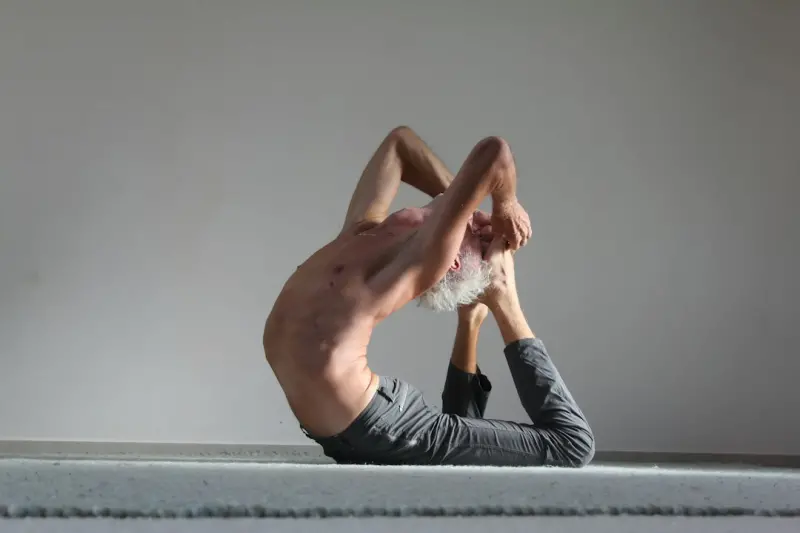
When Movement Meets Mind: The Rise of Integrated Outdoor Workouts
There’s a quiet revolution happening in the health space, and it isn’t being shouted from the rooftops of corporate wellness webinars. It’s unfolding under the canopy of trees, along the ripple of a river, and in the gentle sway of a city park’s grass. I’m talking about integrated outdoor workouts—a practice that blends physical exercise, mindful presence, and the restorative power of nature into a single, holistic habit.
As someone who spends most of her waking hours toggling between screen‑filled meetings and a home office that doubles as a kitchen, I’ve felt the tug of the outdoors like a persistent reminder that my body and mind need more than just a quick stretch at my desk. The answer? A routine that doesn’t compartmentalize fitness, meditation, or fresh air, but lets them coexist and amplify each other.
Why the Outdoors Trumps the Gym—Beyond the Aesthetic
We all know the conventional benefits of outdoor exercise: Vitamin D, fresh air, and a change of scenery. But research is now surfacing that the environment itself can modulate physiological responses in ways a climate‑controlled gym simply cannot.
- Immune Boost: Exposure to diverse microbial communities in natural settings can enhance the gut microbiome, a key player in immune function.
- Stress Hormone Regulation: Green spaces have been shown to lower cortisol levels faster than indoor environments, even when the activity intensity is identical.
- Neuroplasticity: The combination of movement and natural stimuli stimulates brain‑derived neurotrophic factor (BDNF), supporting learning and memory.
When you pair these benefits with intentional mindfulness—like feeling each footfall on a trail or noticing the rhythm of your breath as you climb a hill—you unlock a synergistic effect that feels almost magical yet is firmly grounded in science.
Designing Your Integrated Outdoor Workout
Creating a routine that feels effortless and sustainable starts with three simple pillars: Movement, Mindful Presence, and Nature Connection. Below is a step‑by‑step framework you can adapt to any schedule, fitness level, or local environment.
1. Choose a Natural Stage
It doesn’t have to be a remote wilderness. A city park, a waterfront promenade, or even a quiet backyard garden qualifies. The key is to pick a location that offers varied terrain—think gentle slopes, flat paths, and open spaces.
If you’re unsure where to start, consider cultivating a sensory garden in your yard. Even a modest plot can become a micro‑ecosystem that invites you outdoors daily.
2. Map Your Movement
Integrate a mix of cardio, strength, and flexibility. Here’s a sample 45‑minute flow:
- Warm‑up (5 min): Light jog or brisk walk, paying attention to the sensation of your feet contacting the ground.
- Cardio Burst (10 min): Intervals of sprinting or fast walking up a gentle hill, followed by a slow walk back down.
- Strength Circuit (15 min): Bodyweight exercises—lunges, push‑ups, and tree‑branch pull‑ups—using natural features as props.
- Flexibility & Cool‑down (10 min): Yoga‑inspired stretches, ending with a seated meditation focusing on ambient sounds.
- Mindful Reflection (5 min): Sit quietly, close your eyes, and notice the shift in your breath, temperature, and mood.
3. Embed Mindfulness
During each segment, anchor your awareness to a sensory cue. For example:
- During cardio, notice the rhythm of your heartbeat and the rustle of leaves.
- During strength work, feel the texture of bark or stone under your hands.
- During cool‑down, tune into distant bird calls or the scent of nearby flowers.
This practice mirrors the concept of Micro‑Rituals: Personal Care for the Hyper‑Connected, but expands it beyond the indoor sphere, turning each movement into a tiny meditation.
4. Track, Adjust, Evolve
Modern wearables can be allies rather than distractions. Use heart‑rate variability (HRV) and step counts to gauge how your body responds to different environments. If a particular trail leaves you feeling energized rather than drained, make it a regular stop. The data helps you personalize the routine, much like the emerging practice of cognitive nutrition.
Speaking of nutrition, the synergy between what you eat and where you move is profound. Rebooting Your Brain: The Rise of Cognitive Nutrition highlights how nutrient timing can amplify mental clarity post‑exercise. Pair your outdoor session with a light, antioxidant‑rich snack—think berries or a handful of nuts—to support recovery and brain health.
Overcoming Common Barriers
Even with an exciting plan, obstacles arise. Here are practical solutions to keep you on track.
- Weather Woes: Keep a flexible schedule. If rain rolls in, move the workout indoors but maintain the mindfulness component by using a window view or a nature soundtrack.
- Safety Concerns: Choose well‑lit, populated areas. Bring a friend or join a local walking group for accountability and security.
- Time Constraints: Remember that even a 15‑minute nature break can reset cortisol levels. Short, frequent sessions are better than occasional long ones.
- Technology Temptation: Turn off notifications during the workout. If you need music, use a device set to “Do Not Disturb” and keep the volume low enough to stay aware of surroundings.
Case Study: From Desk‑Bound to Trail‑Bound
Three months ago, I swapped my 30‑minute indoor treadmill routine for a 30‑minute forest loop three times a week. The results were striking:
- Energy Levels: My afternoon slump vanished. I now experience a steady flow of vigor throughout the day.
- Mental Clarity: Tasks that once took hours now feel more approachable; my mind stays sharper for longer.
- Sleep Quality: I fall asleep faster and enjoy deeper REM cycles, likely due to the natural light exposure and physical exertion.
- Creative Sparks: Ideas for work projects surface during the cool‑down meditation, turning the workout into a brainstorming session.
These outcomes echo the principles of Why Breathwork Should Be Your Office Super‑Power—the breath is a bridge between body and mind, and nature amplifies that bridge.
Scaling the Practice for Teams
While the focus here is personal, organizations can embed integrated outdoor workouts into corporate wellness programs. Imagine a monthly “Nature Sprint” where teams gather at a nearby park for a guided session that blends movement with a brief mindfulness workshop. The benefits extend beyond individual health: increased camaraderie, reduced burnout, and a shared sense of purpose.
Final Thoughts: Make the Outdoors Your Wellness Hub
In a world saturated with screens, notifications, and endless to‑do lists, the simplest antidote is often the most powerful: stepping outside, moving your body, and being fully present. Integrated outdoor workouts are not a fleeting trend—they are an evolution in how we approach health, blending the best of physical training, mental resilience, and ecological connection.
So lace up those shoes, find a patch of green, and let each step remind you that health is not a destination, but a dynamic dance with the world around you.

In the world of freelance writing, where creativity and adaptability are paramount, Michelle Fisher stands out as a dedicated and versatile professional. With a passion for crafting compelling narratives and a keen eye for detail, Michelle has established herself as a trusted voice.
Related Posts
Unlocking Health: How Simple Breathwork Can Transform Your Daily Well‑Being
A practical guide to using conscious breathing for stronger immunity, calmer mind, and higher daily ... Read More

Tuning Your Body: How Sound Waves Can Elevate Everyday Health
Explore the science behind sound healing, learn easy daily practices, and see how vibration can enha... Read More
Unlocking the Hidden Power of Posture: A Simple Path to Better Digestion, Mood, and Energy
Learn how tiny posture tweaks can transform digestion, uplift mood, and sustain energy—all without... Read More
Top Posts

From My Garden Desk: How a Green Workspace is Redefining Home & Garden Living
Jimmy Damon reveals why his garden‑powered office is the future of work, blending nature, tech, and wellness for unmatched productivity....Read More

From Backyard to Boardroom: My Garden Desk Journey
A personal tale of swapping indoor office walls for a garden desk, blending work with nature to boost productivity, wellbeing, and eco‑friendly living....Read More

Why Garden Desks Are the Future of Employment: A Rose DesRochers Perspective
Rose DesRochers reveals why garden desks are revolutionizing work in 2024—boosting productivity, sustainability, and employee well‑being—all from a person...Read More

Beyond Clean: How Multi‑Sensory Routines Elevate Everyday Personal Care
A practical guide to turning ordinary personal care moments into multi‑sensory rituals that improve skin health, mental clarity, and overall performance....Read More
0 Comments
Post Comment
You will need to Login or Register to comment on this post!