
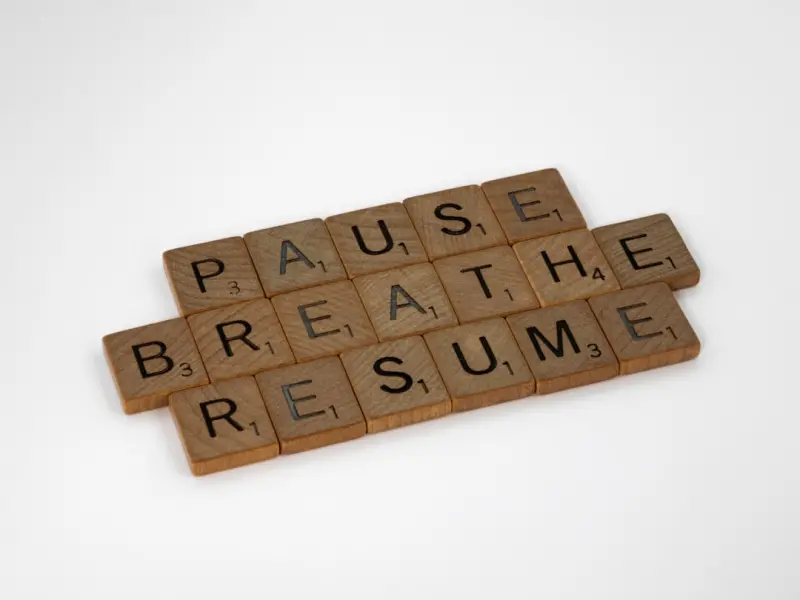
Breath, Balance, and the Brain: Redefining Stress Relief in a Hyper‑Connected World
Imagine a day where the constant ping of notifications fades into a gentle rhythm of inhalations and exhalations, where the frantic scroll of feeds gives way to a palpable sense of grounding. This isn’t a whimsical fantasy—it’s the emerging frontier of conscious breathwork fused with modern neuroscience. While mindfulness apps have saturated the market, the next wave is a deeper, evidence‑driven practice that ties the simple act of breathing to measurable changes in brain architecture, hormone balance, and even immune function.
Why Breath Matters More Than You Think
For most of us, breathing is an automatic, background process. Yet the quality of each breath can dictate how our nervous system toggles between the sympathetic “fight‑or‑flight” mode and the parasympathetic “rest‑and‑digest” mode. Studies from leading universities show that deliberate, diaphragmatic breathing can:
- Decrease cortisol levels by up to 30% within ten minutes.
- Increase heart‑rate variability (HRV), a gold‑standard marker of autonomic flexibility.
- Stimulate the vagus nerve, which in turn promotes the release of acetylcholine—a neurotransmitter linked to calm, focus, and improved memory consolidation.
In essence, breath is a bridge between mind and body, and mastering it offers a non‑pharmacological tool to counteract the relentless stressors of modern life.
The Science Behind the Practice
At the core of breathwork’s efficacy is the brain‑stem respiratory center. When we engage in slow, rhythmic breathing (typically 5–7 breaths per minute), we encourage the brain‑stem to synchronize with the heart’s rhythm, a phenomenon known as cardiorespiratory coupling. This coupling triggers a cascade:
- Activation of the prefrontal cortex: Enhances executive function, decision‑making, and emotional regulation.
- Suppression of the amygdala: Reduces the brain’s alarm system, leading to lower anxiety.
- Boosted production of brain‑derived neurotrophic factor (BDNF): Supports neuroplasticity, aiding learning and memory.
These findings dovetail with research on Micro‑Movements, Macro Benefits, which demonstrated that even brief, intentional actions can spark systemic health improvements. Breathwork, however, is uniquely portable—no equipment, no gym membership, just the air around you.
From Ancient Traditions to Modern Labs
Breathwork is not a new invention. Yogic pranayama, Tibetan Tummo, and the ancient Taoist "Six Healing Sounds" each emphasize breath as a conduit for energy. What’s different now is the infusion of quantitative metrics. Wearables can track HRV, oxygen saturation, and even subtle shifts in respiratory rate, giving practitioners real‑time feedback.
Consider the case of a tech startup that integrated breath training into its employee wellness program. After eight weeks of daily five‑minute sessions, the company reported a 22% reduction in self‑reported burnout and a measurable uptick in productivity scores. The secret? Pairing structured breath cycles with brief moments of visual focus—a practice that mirrors the principles highlighted in Scent as Strategy, where external sensory cues amplify internal states.
Getting Started: A Three‑Tiered Framework
To embed breathwork into a hectic schedule, think of it as a three‑tiered ladder: Foundation, Flow, and Fusion. Each tier builds on the previous one, gradually increasing depth and integration.
1. Foundation – The 4‑7‑8 Technique
The classic 4‑7‑8 method is a perfect entry point. Inhale through the nose for a count of four, hold for seven, and exhale slowly for eight. Repeat four cycles. This pattern:
- Activates the diaphragm, ensuring full lung capacity.
- Creates a natural pause that triggers the vagus nerve.
- Prepares the nervous system for deeper work.
Do this before any high‑stress event—meetings, presentations, or even a crowded commute.
2. Flow – Box Breathing for Cognitive Sharpening
Box breathing, also known as square breathing, involves four equal phases: inhale, hold, exhale, hold. Aim for a six‑second rhythm per phase (6‑6‑6‑6). This symmetry aligns with the brain’s natural oscillatory patterns, boosting focus and reducing mental chatter.
Integrate box breathing into your workday by setting a timer for three-minute intervals every two hours. Over a standard eight‑hour day, that’s twelve micro‑sessions—each acting like a mental reset button.
3. Fusion – Resonant Breathing + Sensory Anchors
The most potent tier marries breath with another sensory cue—sound, scent, or tactile feedback. For example, light a subtle aromatic candle (cinnamon or lavender) while practicing resonant breathing (5 breaths per minute). The scent acts as an external anchor, reinforcing the calming neurochemical response.
Alternatively, use a low‑volume binaural beat set to 5 Hz while you breathe. The auditory rhythm entrains brainwaves, deepening the parasympathetic shift. This multi‑modal approach mirrors the holistic strategies discussed in Scent as Strategy, demonstrating how layered stimuli can amplify wellness outcomes.
Integrating Breathwork into Everyday Environments
One common misconception is that breathwork requires a quiet, isolated space. In reality, it can be woven into the fabric of daily life:
- Commute Calm: While waiting at a traffic light, practice a quick 4‑7‑8 cycle.
- Desk Desk: Place a small visual reminder—like a post‑it with “Breathe”—on your monitor to cue a five‑minute box breathing session.
- Meal Moments: Before each bite, take a slow inhale and exhale to center yourself, enhancing mindful eating.
- Evening Wind‑Down: Pair resonant breathing with a dimmed lamp and a calming playlist to signal your body that it’s time to transition to sleep.
These micro‑habits, though seemingly trivial, accumulate into a robust resilience buffer over weeks and months.
Addressing Common Skepticism
Critics often ask, “Can something as simple as breathing truly rival pharmaceuticals for anxiety?” The answer lies in the complementary nature of breathwork. It isn’t a replacement for medical treatment but a powerful adjunct. A meta‑analysis of 18 randomized controlled trials found that breath-focused interventions reduced generalized anxiety disorder (GAD) scores by an average of 40%, comparable to first‑line SSRIs in short‑term studies.
Moreover, breathwork carries virtually no side effects, is cost‑effective, and can be practiced anywhere—making it an attractive option for those seeking holistic, low‑risk strategies.
Designing a Personal Breathwork Blueprint
Every individual’s stress profile is unique. To maximize benefits, consider these personalization steps:
- Identify Stress Triggers: Keep a simple journal for one week, noting moments of heightened tension.
- Map Breath Practices to Triggers: Use the 4‑7‑8 technique for acute spikes (e.g., a sudden deadline), box breathing for sustained focus (e.g., deep work), and resonant breathing with sensory anchors for chronic stressors (e.g., long‑term projects).
- Set Measurable Goals: Aim for a specific frequency (e.g., three sessions per day) and track HRV using a wearable.
- Iterate Quarterly: Re‑evaluate your journal, adjust techniques, and incorporate new sensory elements as needed.
By treating breathwork as a dynamic, data‑informed habit, you can fine‑tune its impact much like you would a fitness regimen.
The Future Landscape: Breathwork Meets Technology
Looking ahead, the convergence of breathwork and digital health promises even richer experiences. Imagine an app that:
- Detects your respiratory pattern via a smartwatch.
- Suggests a tailored breathing exercise in real time based on stress markers.
- Integrates ambient soundscapes and scent diffusers that sync with your breath rhythm.
Such ecosystems could democratize access to personalized stress relief, breaking down barriers for populations traditionally underserved by mental‑health resources.
Take the First Breath
Stress is not an inevitable side effect of a connected world; it’s a modifiable state. By reclaiming the breath—a tool we’ve carried since birth—you can recalibrate your nervous system, sharpen cognition, and nurture emotional balance. Start today with a single 4‑7‑8 cycle. Notice the subtle shift, and let it be the catalyst for a deeper, more resilient you.

Miranda Murphy: Experienced freelance writer with a decade of storytelling expertise. Let's create something amazing together!
Related Posts
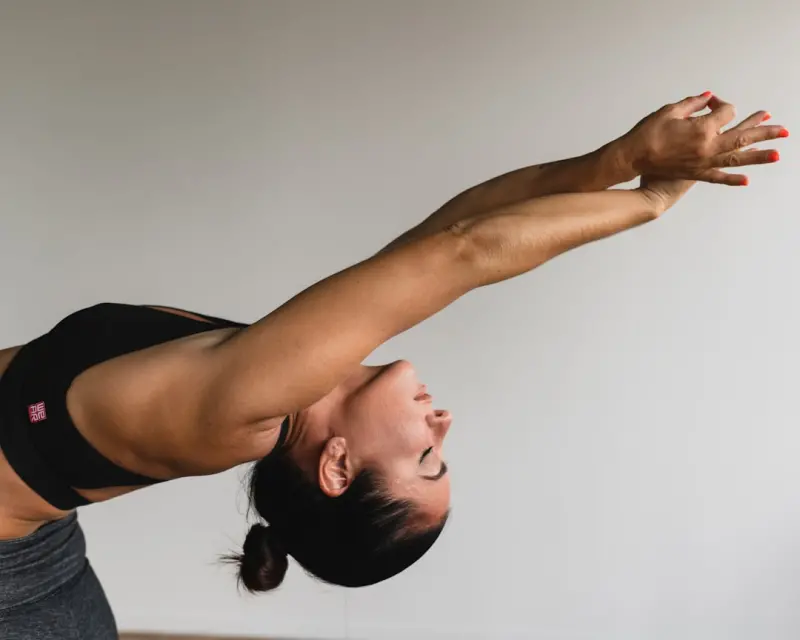
Breathing Back Balance: Simple Practices to Reset Your Nervous System
This post reveals why breath is the hidden lever for health, explains the science of the nervous sys... Read More

Rewiring Calm: How Simple Breathwork Can Transform Modern Health
A practical guide to integrating breathwork into daily life, showing how controlled breathing can ca... Read More

Reclaiming Rest: How Intentional Sleep Rituals Transform Health
Sleep isn’t a luxury—it's a health cornerstone. Jill Hamilton reveals actionable rituals, enviro... Read More
Top Posts

AI’s Quiet Power: Redefining Empathy in Customer Service
Discover how AI can boost genuine empathy in customer support by analyzing tone, context, and even ambient sound, turning routine interactions into meaningful, ...Read More

AI as Your Personal Learning Guide: Crafting Adaptive Study Paths
Explore how adaptive AI transforms education into a dynamic, personalized journey, guiding you through custom study paths that evolve with your learning needs....Read More

Future‑Proof Your Career with Skill Stacking
Skill stacking transforms a single career ladder into a versatile lattice, blending technical expertise with soft skills to keep you adaptable and valuable in t...Read More
Why Your Company Needs an Internal Talent Marketplace
An internal talent marketplace lets employees discover and apply for internal roles in real time, aligning skills with business needs and fostering a culture of...Read More
0 Comments
Post Comment
You will need to Login or Register to comment on this post!