
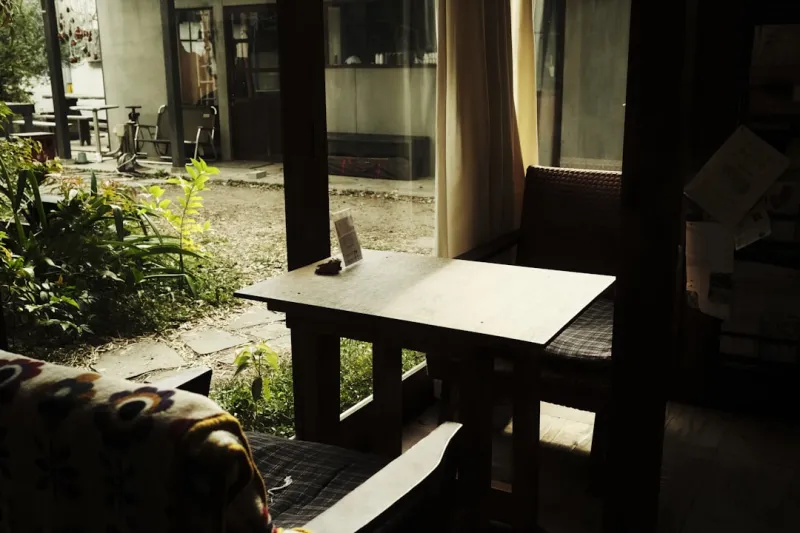
When I first swapped my cramped downtown cubicle for a reclaimed wooden table tucked between rosemary and mint, I didn’t just change my address—I rewrote my relationship with work, nature, and the very idea of a “home office.” The scent of earth after rain became my new coffee, and the chorus of cicadas turned into a productivity soundtrack that no city soundtrack could ever mimic, reminding me daily that work can be both rooted and expansive. In this season of hybrid work, my garden desk proves that the line between indoor and outdoor is not a barrier but a bridge, and I’m eager to share how this green‑infused workflow is reshaping the home & garden narrative for the modern professional.
Why a Garden Office Beats a Traditional Home Office
First, the psychological boost of natural light and fresh air is scientifically linked to heightened focus, reduced stress, and a surge in creative thinking that no artificial LED can replicate, turning ordinary tasks into moments of inspired clarity that feel almost meditative. Second, the tactile act of tending to soil—watering, pruning, harvesting—offers micro‑breaks that reset the nervous system, preventing the burnout that plagues many remote workers glued to a screen; each leaf I turn over is a reminder that growth is a process, not a sprint. Finally, the tangible results of a garden—ripe tomatoes, fragrant basil—serve as daily proof of effort paying off, a morale boost that fuels ambition in both my personal projects and professional deliverables.
Designing a Functional Yet Serene Garden Workspace
To transition from a conventional desk to a garden sanctuary, I began by mapping out zones: a shaded nook for laptop work, a raised bed for quick snack breaks, and a water feature that doubles as white‑noise generator, each element deliberately chosen for ergonomics and ambience; the result is a space where the ergonomic standards of a corporate office meet the restorative power of nature. I invested in weather‑proof tech—solar‑charged power banks, a rugged Bluetooth speaker, and a waterproof keyboard cover—ensuring that rain or shine never interrupts flow, and I placed a sturdy, reclaimed oak table that ages gracefully, echoing the garden’s own lifecycle. Adding a modest pergola not only shelters my equipment but also frames the sky, turning every glance upward into a reminder of limitless possibilities, a visual cue that my work is part of a larger, thriving ecosystem.
Tools and Tech That Blend Seamlessly With Greenery
Choosing tools that respect the garden’s aesthetic is crucial; I favor a compact, matte‑finish monitor that blends into the wooden slab, a wireless mouse that never scratches the soil, and a set of bamboo cable organizers that keep cords tidy without detracting from the organic vibe. For data‑heavy tasks, I rely on a portable SSD tucked into a waterproof case, protecting files from dew while offering lightning‑fast access, and I sync my calendar with a solar‑powered smart hub that adjusts lighting based on the time of day, ensuring my screen never blinds the surrounding blooms. By integrating these subtle tech solutions, I’ve crafted a workspace that feels like an extension of the garden rather than an intrusion, a philosophy that resonates with anyone looking to fuse productivity with sustainability.
From Garden to Career: The Professional Payoff
Since making the switch, I’ve noticed a measurable uptick in client satisfaction and project turnaround times, as the calm of my garden translates into clearer communication and sharper deadlines, a testament to the fact that environment directly influences output quality. Moreover, the novelty of a garden office has become a conversation starter in virtual meetings, positioning me as a forward‑thinking professional who embraces innovative work models, a narrative that has opened doors to collaborations with eco‑focused brands and sustainability‑driven startups; you can read more about this shift in my Jimmy Damon’s Blueprint for the New Era of Employment post. Finally, the flexibility to step outside for a quick harvest or a breath of fresh air has reduced my reliance on caffeine, leading to healthier habits that sustain long‑term career growth, proving that a garden can be both a sanctuary and a strategic advantage.
Integrating Seasonal Rhythms Into Your Workflow
One of the most rewarding aspects of a garden office is syncing work cycles with the seasons; in spring, I schedule brainstorming sessions while seedlings sprout, allowing the burst of new life to inspire fresh ideas, whereas in autumn, I focus on reflective tasks like reporting and planning, drawing parallels between the harvest and the completion of projects. This seasonal alignment encourages a natural ebb and flow, preventing the monotony that can plague a static indoor environment, and it teaches the valuable lesson that productivity, like plant growth, thrives when paced and nurtured. By honoring these rhythms, I’ve cultivated a balanced workload that respects both my professional ambitions and the garden’s own lifecycle, creating a harmonious feedback loop where each informs and enriches the other.
Future‑Proofing Your Garden Workspace
Looking ahead, I’m experimenting with vertical farming systems that double as living walls, providing insulation, air purification, and a striking backdrop for video calls, turning sustainability into a visual asset that impresses clients and colleagues alike; the integration of IoT sensors to monitor soil moisture and temperature ensures that the garden remains healthy with minimal manual intervention, freeing up mental bandwidth for strategic thinking. As remote‑work trends evolve, I anticipate that more professionals will seek out such biophilic environments, a shift highlighted in my Employment Trends 2024: Jimmy Damon’s Insider View on Remote Work, Flexibility, and the Future of Careers article, where I discuss how employers can support green workspaces through stipends and flexible policies. By staying attuned to technological advances and ecological stewardship, your garden office can remain a cutting‑edge, resilient hub that adapts to both market demands and climate realities.
Getting Started: A Simple 5‑Step Blueprint
Begin with a location assessment: choose a spot with optimal sunlight, natural shade, and easy access to water, ensuring comfort throughout the year; next, select durable, weather‑resistant furniture that complements the garden’s aesthetic while meeting ergonomic standards, such as an adjustable chair upholstered in recycled fabric. Third, invest in reliable power solutions—solar panels, battery packs, or discreetly run cords—to keep devices charged without compromising the garden’s visual integrity. Fourth, curate a plant palette that offers both beauty and function, incorporating herbs for snack breaks and low‑maintenance foliage that improves air quality, creating a living backdrop that fuels creativity. Finally, establish a routine that blends work with garden care, scheduling short “soil check‑ins” to break up screen time and reinforce the symbiotic relationship between productivity and cultivation; for a deeper dive, explore my guide in Cultivating Productivity: How My Garden Became the Ultimate Home Office.

Jimmy Damon loves to right on a large scale of topics with all things Canadian as this Montreal die hard loves hockey. fishing and sports.
Related Posts
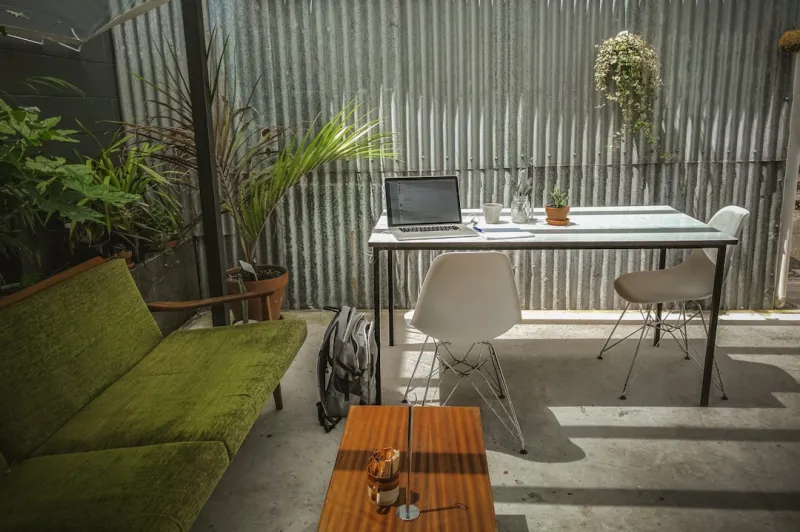
Why Garden Desks Are the Hottest Trend Transforming Home & Garden Living
Explore the rise of garden desks, blending nature with work to boost creativity, wellness, and ecoâ€... Read More

From Scraps to Soil: Mastering Compost for a Thriving Garden
Discover the science, design tips, and simple action plan to turn everyday kitchen scraps into rich ... Read More
Pocket Oasis: Transforming Small Outdoor Spaces Into Productive Retreats
Learn how to maximize a compact balcony or patio by defining purpose, using multifunctional furnitur... Read More
Top Posts
Why a Garden Desk Is the Secret Weapon for Modern Employment
A garden desk isn’t just a pretty piece of furniture—it’s a productivity powerhouse. I share how stepping outside transformed my work, the science behind ...Read More

Travel as a Living Story: Turning Journeys Into Personal Narratives
Discover how to transform travel into a living story with mindful immersion, micro‑adventures, and powerful storytelling techniques that spark personal growth...Read More
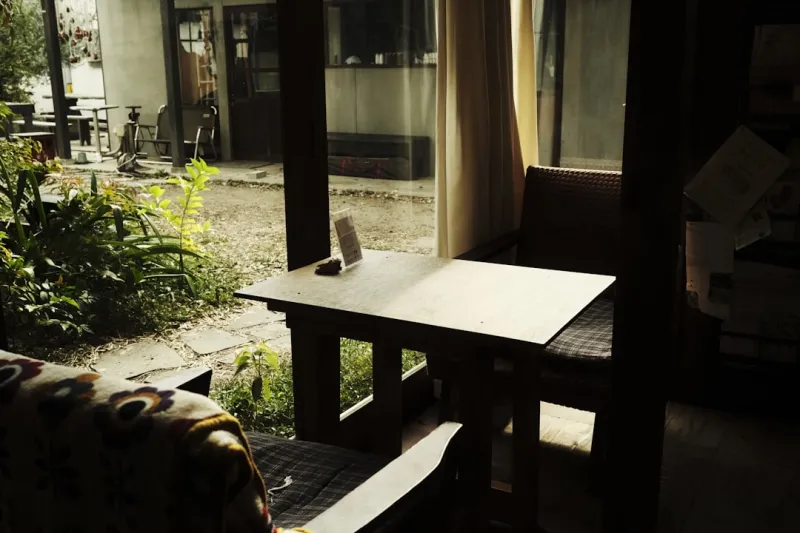
Garden Desks: The Home & Garden Trend Redefining Work and Wellness in 2026
Explore the rise of garden desks in 2026, blending productivity with nature. Get design ideas, tech tips, and sustainability hacks for a thriving home‑garden ...Read More
From Backyard to Boardroom: How My Garden Desk Supercharged Home Life
A personal journey reveals how moving a desk outdoors sparked creativity, improved well‑being, and turned a backyard into a productive sanctuary for work and ...Read More
0 Comments
Post Comment
You will need to Login or Register to comment on this post!