
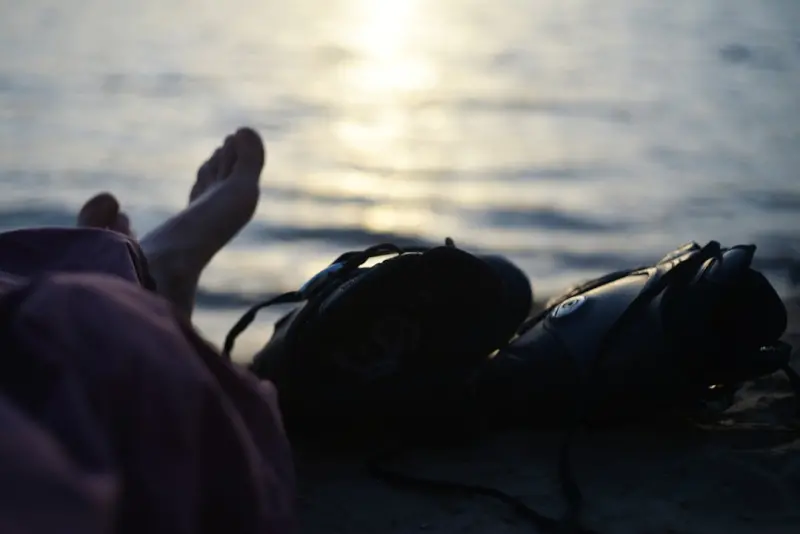
Turning the World’s Soundtrack into Your Personal Creativity Engine
When I first stepped off the plane in a bustling port city, the first thing that hit me wasn’t the scent of exotic spices or the splash of colors in the market stalls. It was the sound. The low hum of distant traffic, the rhythmic clatter of a fishmonger's stall, the call-and-response of street musicians—all of it formed an invisible layer that wrapped around my senses. In the months since, I’ve learned to treat every travel destination as a living audio canvas, one that can be deliberately sampled, curated, and replayed to sharpen focus, spark fresh ideas, and even calm the mind.
Why Sound Matters More Than You Think
Neuroscience tells us that our brains are hard‑wired to respond to auditory cues. A sudden burst of city traffic can trigger a fight‑or‑flight response, while the gentle rush of waves can activate the parasympathetic nervous system, lowering heart rate and promoting relaxation. When we travel, we are bombarded with an array of novel soundscapes that our brains have never encountered before. This novelty can be a catalyst for neuroplasticity—essentially, the brain’s ability to rewire itself.
- Contextual Memory Boost: Pairing a visual landmark with its unique ambient sound creates a richer memory trace, making it easier to recall details later.
- Creative Cross‑Pollination: Unfamiliar rhythms and tonalities can break habitual thought patterns, opening pathways for new ideas.
- Emotional Grounding: A well‑chosen soundscape can anchor you in the present, turning a chaotic travel day into a meditative experience.
If you’ve ever felt a sudden surge of inspiration while listening to a street performer in a foreign square, you’ve experienced this phenomenon firsthand. The next step is to move from passive hearing to active listening, turning ambient noise into a purposeful tool.
Building Your Travel Sound Library
Creating a portable archive of soundscapes doesn’t require expensive equipment—just a smartphone, a good ear, and a systematic approach. Here’s my go‑to workflow:
- Scout the Scene: Before you hit record, take a moment to identify the dominant sound source. Is it the market chatter, a nearby construction site, or the distant call to prayer? This helps you label the recording for later retrieval.
- Capture in Context: Record for at least 30 seconds to capture the natural ebb and flow. Short, clipped recordings often miss the subtle layers that give a sound its character.
- Tag and Categorize: Use simple tags like “urban‑rush”, “coastal‑breeze”, “rain‑forest‑canopy”. Consistent tagging lets you build playlists that match specific moods or tasks.
- Reflect and Annotate: Right after recording, jot down a quick note about the feeling the sound evoked. Was it energizing? Calming? Curious? This meta‑data becomes a valuable reference point.
Over time, you’ll notice patterns—perhaps the sound of a train in a particular country signals efficiency for you, while a distant market chant becomes a cue for brainstorming sessions. The more intentional you are, the more powerful the library becomes.
Applying Soundscapes to Different Travel Goals
Below are three common travel objectives and how you can align them with the auditory environment you’re exploring.
1. Boosting Creative Output
When you need to generate fresh ideas—whether you’re drafting a pitch for a new client or sketching out a product roadmap—look for soundscapes that are complex yet not overwhelming. Think of a bustling café in a historic district, where background conversations weave with clinking cups and the occasional street performer. This “cognitive kaleidoscope” provides just enough stimulation to keep the brain engaged without drowning it in noise.
Pair the audio with a focused work session using the travel sprints methodology. Set a timer for 45 minutes, let the recorded café ambiance play, and commit to a single creative task. When the timer dings, you’ll often find you’ve produced more than you would have in a silent hotel room.
2. Recharging Mental Energy
If you’ve spent days hopping between meetings, airports, and sightseeing tours, your nervous system can become overstimulated. To hit the reset button, gravitate toward natural soundscapes—waves lapping against a shore, wind rustling through pine needles, or the distant calls of birds at sunrise. These outdoor immersion benefits are scientifically linked to reduced cortisol levels and improved heart‑rate variability.
Download a 10‑minute segment of the coastal soundscape you recorded, plug in noise‑cancelling headphones, and sit quietly. Allow the rhythm of the sea to synchronize with your breathing. Within minutes, you’ll feel a measurable dip in stress, making it easier to tackle the next day’s agenda.
3. Deepening Cultural Connection
Travel is as much about empathy as it is about exploration. By tuning into the daily sonic fabric of a community, you gain insights that visual tourism often misses. In a small mountain town, the early morning chorus of church bells, followed by the low hum of a dairy processing plant, tells a story of tradition meeting modern livelihood.
When you return home, play these recordings for friends or colleagues as a “sound tour”. Narrate the context—who makes these sounds and why they matter. It becomes a portable cultural lesson that transcends photos and brochures.
Practical Tips for Maintaining Audio Quality on the Road
- Use an External Mic: Even a modest lapel mic can dramatically improve clarity, especially in windy conditions.
- Mind the Wind: Position the microphone shielded from gusts—use your hand, a piece of cloth, or a small windscreen.
- Check Legal Restrictions: Some venues prohibit recording. When in doubt, ask for permission.
- Backup Frequently: Cloud storage or an external SSD can prevent loss of your growing library.
- Curate Playlists by Mood: Create “focus”, “relax”, and “inspire” playlists so you can instantly pull up the right soundtrack for any situation.
The Unexpected Benefits of a Sound‑First Travel Mindset
Since I started treating sound as a primary travel companion, I’ve noticed several serendipitous outcomes:
- Improved Sleep: Replaying the gentle lull of a tropical night when I’m back home eases jet lag and promotes deeper REM cycles.
- Enhanced Language Learning: Listening to ambient conversations helps train the ear for rhythm and intonation, making it easier to pick up phrases.
- Stronger Social Bonds: Sharing a unique sound (like the call of a street vendor) with locals often sparks conversation and invites invitations.
- Reduced Decision Fatigue: Having a pre‑curated set of auditory “reset” tracks means you spend less mental energy deciding how to unwind after a long day.
Integrating Soundscapes Into Your Post‑Travel Routine
Travel doesn’t end when you step back onto the homeward flight. The sound library you’ve built can become a bridge that prolongs the positive effects of your journey.
- Morning Ritual: Start the day with a 5‑minute clip of a sunrise soundscape from your trip. It grounds you in the sense of adventure before you dive into work.
- Mid‑day Reset: When stress spikes, switch to a “calm ocean” track to lower cortisol and regain focus.
- Evening Reflection: Pair a “café ambience” recording with a journal entry about the day’s insights. The audio cue will help cement the memory.
By weaving these sounds into your daily rhythm, you create a continuous feedback loop where travel fuels personal growth, and personal growth, in turn, deepens the appreciation of future journeys.
Conclusion: Make the World Your Personal Soundtrack
Travel is often sold as a visual experience—photos, postcards, Instagram reels. Yet the auditory dimension is a far richer, more intimate storyteller. By deliberately listening, recording, and curating the soundscapes around you, you unlock a hidden toolkit for creativity, well‑being, and cultural empathy. The next time you book a flight, pack a portable mic, set a few tags, and let the world’s soundtrack become a core part of your itinerary. Your mind will thank you, and your future self will have a library of moments that keep the spirit of exploration alive long after the suitcases are unpacked.

Dale Peterson is a freelance writer with a passion for technology, travel, law and personal finance. With 10 years of experience crafting compelling and informative content, he's dedicated to delivering high-quality writing for Blogging Fusion that engages audiences and achieves specific goals.
Related Posts

Mobile Basecamps: Turning Every Trip into a Productive Playground
Discover the blueprint for a mobile basecamp that lets you work efficiently, explore authentically, ... Read More

Flavor Trails: Mapping Your Next Culinary Adventure
Explore a fresh travel angle that uses food as a compass, guiding you through coastal markets, mount... Read More

Travel with Purpose: Micro‑Volunteering on the Road
Micro‑volunteering lets travelers give back in just a few hours, turning ordinary vacations into p... Read More
Top Posts

When AI Becomes Your Silent Partner: Rethinking Decision‑Making in B2B SaaS
Explore a fresh perspective on AI as a collaborative teammate that transforms raw data into actionable decisions, embeds intelligence into daily workflows, and ...Read More
The Four‑Day Workweek Playbook: How to Pitch, Implement, and Thrive
Learn how to pitch a four‑day workweek, build a solid business case, negotiate with leadership, and sustain productivity and wellbeing in a shorter week....Read More

Sensory Upgrade: Transforming Personal Care into a Multi‑Dimensional Ritual
Discover a fresh approach to personal care by integrating visual, auditory, olfactory, tactile, and taste elements, turning everyday routines into restorative, ...Read More
The Art of Curated Micro‑Adventures: Turning Everyday Spaces into Mini‑Explorations
Explore the concept of micro‑adventures—short, intentional outings that turn ordinary spaces into unforgettable experiences—while learning practical tools...Read More
0 Comments
Post Comment
You will need to Login or Register to comment on this post!