
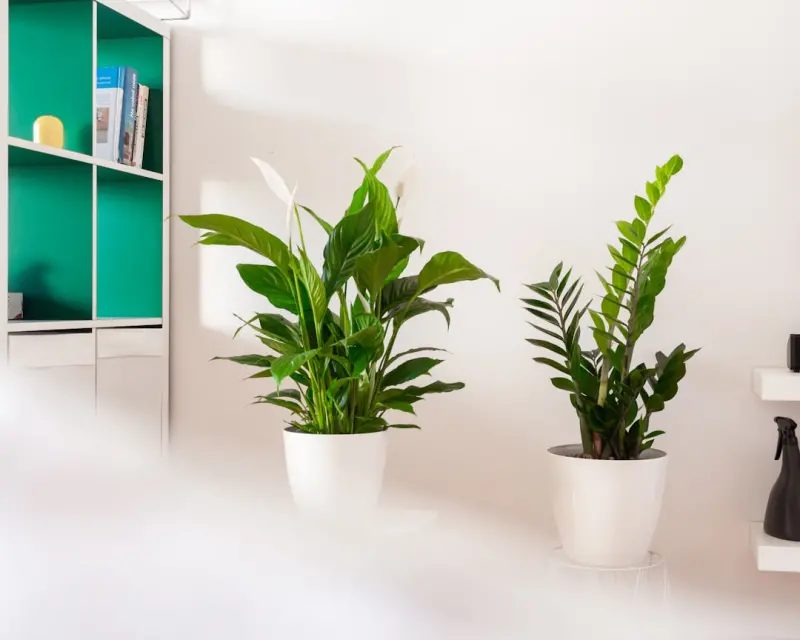
Welcome to Your Own Houseplant Haven
When I first moved into my modest two‑bedroom apartment, I thought “greenery” meant a single pothos in the corner of the living room. Fast forward a year, and my windowsills are bursting with a veritable jungle of succulents, ferns, and even a towering rubber plant that seems to whisper encouragement every morning. The transformation wasn’t just visual—my mood, focus, and even the air I breathe have noticeably improved. In this post, I’ll walk you through the practical steps to curate a thriving indoor garden that does more than look pretty. Think of it as a forest bathing experience you can enjoy without leaving your couch.
Why Houseplants Deserve a Spot on Your Home‑Improvement List
Before we dive into the “how,” let’s talk about the “why.” Houseplants aren’t just décor; they’re living, breathing air purifiers. NASA’s clean‑air study famously highlighted species like the spider plant and peace lily for their ability to scrub volatile organic compounds (VOCs) from indoor environments. Beyond chemistry, there’s a psychological boost: caring for a plant triggers dopamine release, the same feel‑good neurotransmitter you get from checking off a to‑do list. In fact, research shows that simply viewing greenery can lower cortisol levels, meaning less stress and a calmer mind.
Start Small, Dream Big: Choosing the Right Plants for Your Space
If you’re a self‑confessed “plant‑phobic” like I once was, the best approach is to start with low‑maintenance, forgiving species. Here are my top five starter plants, each with a brief care rundown:
- Snake Plant (Sansevieria) – Thrives in low light, needs watering only when soil is bone‑dry. Perfect for bedrooms.
- Pothos (Epipremnum aureum) – Tolerates irregular watering and can grow in both bright and dim corners. Great for trailing from shelves.
- ZZ Plant (Zamioculcas zamiifolia) – Almost indestructible; it stores water in its rhizomes, so you can forget about it for weeks.
- Spider Plant (Chlorophytum comosum) – Produces baby “spiderettes” you can propagate. Likes moderate indirect light.
- Peace Lily (Spathiphyllum) – Blooms white flowers, thrives in low‑to‑medium light, and signals when it needs water by drooping its leaves.
Once you’ve mastered the basics, you can graduate to more demanding beauties like fiddle‑leaf figs or calatheas, which reward attentive care with dramatic foliage.
Mapping Your Green Zones: Light, Temperature, and Humidity
Every plant has a light preference, and understanding the natural light patterns in your home is key. Take a notebook (or a phone app) and record how many hours each window receives, noting whether the light is direct, indirect, or filtered. South‑facing windows in the northern hemisphere usually provide the most intense sunlight, while east‑ and west‑facing windows offer gentler, morning or evening light. North‑facing windows are best for shade‑loving plants.
Temperature matters, too. Most tropical houseplants thrive between 65°F and 80°F (18‑27°C). Drafty windows or heating vents can cause leaf scorch or sudden wilting. If you notice a plant’s leaves turning brown at the edges, check for temperature spikes.
Humidity is often the hidden villain. Many foliage plants, especially ferns and calatheas, love humidity levels above 50%. A simple pebble tray with water or a small humidifier can work wonders during dry winter months.
Smart Potting: Soil, Containers, and Drainage
Don’t underestimate the power of good soil. A generic potting mix might work for succulents, but most houseplants thrive in a blend that balances aeration and moisture retention. I recommend a base of high‑quality potting soil mixed with perlite (for drainage) and orchid bark (for added airflow). If you’re dealing with orchids or cacti, look for specialty mixes.
Container choice is both functional and aesthetic. Terracotta pots are porous, allowing soil to dry out faster—great for succulents. Plastic pots retain moisture longer, making them suitable for moisture‑loving plants. Ensure every pot has a drainage hole; standing water is the fastest route to root rot.
Watering Wisdom: How to Avoid the Two Biggest Plant Mistakes
Over‑watering and under‑watering are the twin sins that kill most houseplants. The “finger test” is a reliable rule of thumb: insert your index finger about an inch into the soil; if it feels dry, it’s time to water. For larger pots, consider a moisture meter for more precise readings.
When you water, do it thoroughly—let water flow out of the drainage holes, then discard any excess in the saucer. This flushes out salts that accumulate from fertilizer, preventing leaf tip burn. And remember, watering frequency changes with the seasons; plants typically need less water in cooler months.
Feeding Your Green Companions: Fertilizer Basics
Plants need nutrients, but they don’t require a daily dose. A balanced, water‑soluble fertilizer (20‑20‑20) applied once a month during the growing season (spring through early fall) is sufficient for most houseplants. For foliage‑heavy plants, a fertilizer higher in nitrogen (the first number) encourages lush leaf growth. Always dilute to half the recommended strength—better to under‑feed than to scorch roots.
Propagation: Multiply Your Collection for Free
One of the most satisfying aspects of indoor gardening is propagation. Many starter plants, like pothos and spider plants, produce offshoots that root easily in water. Simply cut a healthy stem, remove lower leaves, and place it in a glass of water. Within weeks, you’ll see roots sprouting—then you can transplant to soil.
For more adventurous propagation, try leaf cuttings with succulents or division of larger clumps for ferns and peace lilies. The process not only expands your plant family but also deepens your connection to the living things you’re nurturing.
Integrating Plants Into Your Home’s Aesthetic
Now that you’ve built a healthy plant roster, it’s time to make them part of your design narrative. Here are three styling ideas that blend function and flair:
- Vertical Gardens: Use wall‑mounted planters or a hanging pocket system to create a living art piece. This saves floor space and adds texture to blank walls.
- Plant Stacking: Group plants of varying heights on a tiered plant stand. The visual rhythm draws the eye upward and makes a small corner feel expansive.
- Purpose‑Driven Placement: Position a snake plant in the bedroom for its air‑purifying qualities, while placing a citrus‑scented lemon tree near the kitchen to naturally deodorize cooking aromas.
Remember the design principle of “grouping”—plants with similar care requirements should be placed together. This reduces the risk of over‑watering one while under‑watering another.
Houseplants as a productivity powerhouse
Beyond aesthetics and health, plants can boost focus. A study from the University of Exeter found that participants who worked at desks with plants were 15% more productive and reported higher job satisfaction. The subtle presence of greenery reduces mental fatigue, especially during long stretches of screen time. For remote workers, a small desk succulent or a modest fiddle‑leaf fig can act as a natural “break cue”—a visual reminder to pause, stretch, and refocus.
Seasonal Care: Adapting to Changing Climates
Just as you rotate your wardrobe, your plant care routine should adapt to the seasons. In winter, daylight hours shrink, so many plants enter a semi‑dormant state. Reduce watering and hold off on fertilizing until new growth appears in spring. Conversely, during summer’s peak, increase watering frequency and consider moving sun‑loving plants to a brighter spot if they start to look leggy.
Don’t forget to dust leaf surfaces monthly with a soft cloth. Dust blocks photosynthesis, reducing a plant’s ability to convert light into energy, which can make leaves look dull and yellow.
Common Pitfalls and How to Fix Them
Even seasoned plant parents encounter issues. Here’s a quick troubleshooting guide:
- Yellowing Leaves: Often a sign of over‑watering or nutrient deficiency. Check soil moisture, allow it to dry, and consider a light feed.
- Brown Leaf Tips: Usually caused by low humidity or salt buildup from fertilizer. Increase humidity and flush soil with plain water.
- Wilting Despite Moist Soil: Could be root rot. Gently remove the plant, trim affected roots, and repot in fresh, well‑draining mix.
Eco‑Friendly Practices for a Sustainable Plant Collection
Being a plant enthusiast can align perfectly with a low‑impact lifestyle. Choose biodegradable pots, recycle glass containers for propagation, and source plants from local nurseries instead of imported shipments. When it’s time to retire a plant, compost the soil and organic matter—turning waste into nutrient‑rich compost for your garden or potted herbs.
Wrap‑Up: Your Journey to a Greener Home Starts Today
Creating a houseplant haven isn’t about instant perfection; it’s about cultivating a relationship with living art that evolves over time. Start with a few resilient species, learn their language of water, light, and love, and gradually expand your collection. You’ll soon discover that the subtle rustle of leaves and the faint scent of fresh soil become as essential to your daily routine as coffee or a morning meditation.
So, roll up your sleeves, grab a pot, and let your home breathe a little easier. Your future self will thank you for the cleaner air, calmer mind, and the quiet joy of watching something grow under your care.

Lauren Miller is a true outdoors enthusiast who has found her passion in the trades. When she's not working hard on the job, you can find her writing, camping, fishing, and exploring all that nature has to offer. A dedicated partner to her wife Beth, Lauren loves nothing more than spending quality time together and experiencing the great outdoors side by side.
Related Posts

Seasonal Home Refresh: Simple Swaps to Energize Every Room
Learn how to revitalize your space with textile changes, lighting tricks, scent strategies, and smar... Read More

Illuminating Your Home: Smart, Stylish Lighting Hacks for Every Space
Learn how layered lighting, DIY upgrades, and smart controls can instantly elevate any space, even i... Read More

Modular Home Zones: Crafting Flexible Spaces for Everyday Life
Discover practical strategies for turning any open‑plan house into a series of adaptable zones, us... Read More
Top Posts
Reimagining Personal Care: Tech, Ritual, and Sustainability
A deep dive into the evolving world of personal care, blending smart wearables, micro‑habits, sensory cues, sustainable formulations, and future trends for a ...Read More

When AI Meets Earth: Unexpected Partnerships Shaping Tomorrow
Artificial intelligence is moving beyond buzzwords, partnering with climate scientists, creators, and small businesses to deliver real-world impact. This articl...Read More

Mapping Insight: How AI‑Powered Knowledge Graphs Turn Data Chaos into Team Superpowers
A deep dive into AI‑powered knowledge graphs, showing how they turn data overload into a strategic advantage for modern B2B teams, with practical steps to imp...Read More

Rediscovering the Art of Self‑Massage: A Simple Ritual for Busy Lives
A quick, equipment‑free self‑massage routine can relieve tension, improve focus, and boost mood, offering busy professionals a portable personal‑care tool...Read More
0 Comments
Post Comment
You will need to Login or Register to comment on this post!