
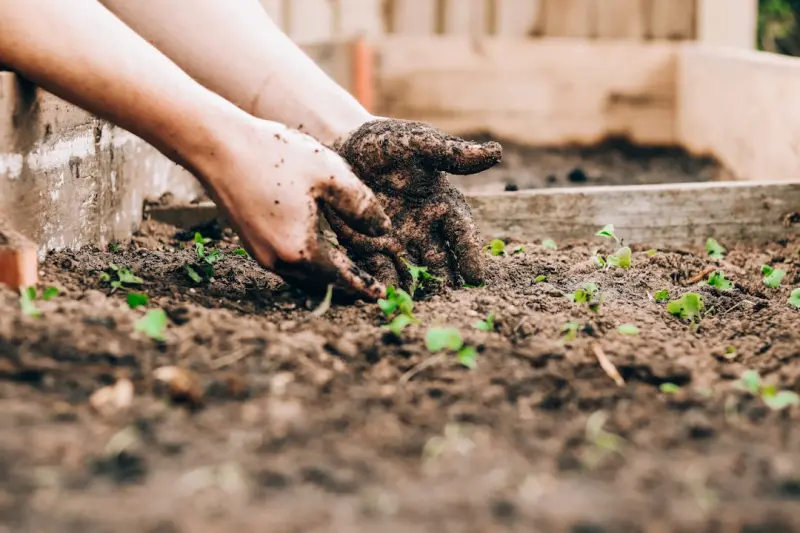
Why a Sensory Garden?
Imagine stepping outside and instantly feeling a cascade of sensations—vivid colors that draw your eyes, the gentle rustle of leaves that soothes your ears, textures that invite curious fingertips, fragrant aromas that lift the spirit, and edible surprises that tantalize the palate. That immersive experience is the heart of a sensory garden, a living laboratory where every plant and feature is chosen to spark one or more of the five senses. Unlike traditional ornamental gardens that prioritize visual appeal alone, a sensory garden invites you to linger, explore, and engage, turning a simple backyard into a therapeutic playground for adults and children alike.
Choosing the Right Plant Palette
The first step is selecting plants that speak loudly to each sense, and it’s easier than you think once you break it down by category. For sight, think of bold foliage like Heuchera with its purple‑red leaves, or variegated hostas that flash green and cream; for sound, consider grasses such as Pennisetum that whisper in the breeze, or seedheads that rattle when the wind passes. Touch‑oriented species include lamb’s ear (Stachys byzantina) with its velvety leaves, and ornamental grasses that invite gentle stroking. Smell‑rich options range from lavender and rosemary to sweet basil, while taste can be incorporated through edible herbs, berries, and even fruit‑bearing shrubs like serviceberries. By mapping each plant to a specific sense, you create a layered garden where each stroll offers a new discovery.
Ground Textures and Pathways
Beyond plants, the garden’s substrate can be a powerful sensory tool, and it’s worth investing time in designing pathways that feel inviting underfoot. A mix of natural stone, reclaimed wood, and soft mulches provides contrasting textures; stepping on smooth river rocks feels grounding, while a footfall on loose pine bark adds a subtle crunch. Adding raised wooden decks or stepping stones creates gentle elevation changes that encourage movement and curiosity. For families with young children, incorporating a sensory sand pit or a smooth, polished concrete area invites barefoot exploration, fostering a tactile connection to the earth that many modern lawns lack. The key is to vary materials intentionally, ensuring that each step offers a pleasant surprise.
Water Features for Auditory Delight
Sound is often the most overlooked sense in garden design, yet a simple water feature can transform a quiet yard into a symphony of soothing tones. A modest tabletop fountain, a bubbling pebble basin, or even a DIY rain chain that guides water over ceramic pots creates a gentle, rhythmic backdrop that masks urban noise. Position the water source near seating areas so the soft murmur becomes a constant companion during meditation or conversation. If space is limited, a shallow basin filled with floating lilies provides both visual interest and a subtle splash sound when wind moves the water. Remember to choose low‑maintenance pumps and consider solar‑powered options to keep the feature eco‑friendly and cost‑effective.
Fragrant Corners and Aromatic Pathways
Smell can instantly transport you to memories of kitchens, fields, or distant travels, making it a vital component of a sensory garden. Planting aromatic herbs such as thyme, mint, and sage along walking routes allows visitors to inhale fresh scents with each step. Intermix these with flowering plants like roses, honeysuckle, and sweet peas, which release perfume when brushed by a breeze. To amplify fragrance at night, select night‑blooming varieties such as jasmine and gardenias that emit stronger scents after sundown. For a unique twist, incorporate scented grasses like Miscanthus that release a sweet, hay‑like aroma when brushed, and consider a small herb drying rack that doubles as a decorative element while preserving fragrant leaves for indoor use. These fragrant layers invite deep, mindful breathing and add a therapeutic dimension to outdoor time.
Edible Elements for Taste Exploration
Integrating edible plants turns the garden into a living pantry, encouraging you to harvest fresh flavors straight from the soil. Choose low‑maintenance varieties that produce tasty bites throughout the growing season—think of cherry tomatoes perched on trellises, crisp snap peas that climb, and berries like strawberries that reward gentle picking. Herbs such as basil, chives, and lemon verbena not only please the nose but also provide vibrant flavors for home cooking, making the garden a source of culinary inspiration. To keep the edible section organized, install simple raised beds or container rows, and label each plant with whimsical signage; this not only guides harvest but also invites children to learn about where food comes from. By blending taste into the garden’s design, you close the sensory loop, allowing the experience to transition from sight and smell to the palate.
DIY Sensory Projects and Upcycled Materials
Personal touches make a sensory garden truly yours, and many of the most enchanting features can be crafted from reclaimed or everyday items. Turn an old wooden pallet into a vertical planter for herbs, creating a fragrant wall that doubles as a visual focal point. Use glass jars filled with pebbles or shells as wind chimes, producing gentle tinkling sounds when the breeze passes. For tactile interest, attach pieces of reclaimed fabric, rope, or bark to a garden bench, inviting visitors to run their fingers over varied textures. A simple DIY bird feeder made from a teacup and saucer not only attracts feathered friends—adding lively chirps—but also serves as a conversation piece. These projects are budget‑friendly, environmentally conscious, and give you a satisfying sense of ownership over each sensory element.
Maintenance Tips to Preserve Sensory Richness
Keeping a sensory garden vibrant requires thoughtful upkeep that respects the delicate balance of its components. Regular pruning ensures that fragrant blooms don’t become overgrown, while trimming grasses maintains their soft texture and prevents them from turning coarse. Mulching with shredded bark or leaf mold retains moisture for herbs and reduces the need for frequent watering—a practice that dovetails nicely with the advice in smart irrigation tips. Seasonal rotation of annuals keeps visual interest fresh, and harvesting edible crops promptly encourages new growth. Finally, consider a gentle, natural pest‑control regime—such as introducing ladybugs or sprinkling diatomaceous earth—to protect the garden without compromising its sensory integrity.
Inviting Community and Family Participation
A sensory garden thrives when it becomes a shared space, fostering connection and learning across generations. Host monthly garden walks where family members can describe what they hear, feel, or smell, turning the experience into a playful sensory scavenger hunt. Invite neighbors to contribute a plant or a handmade ornament, weaving a tapestry of personal stories into the landscape. Children can take responsibility for watering a specific patch or tending a mini herb pot, instilling stewardship and curiosity. For those with limited mobility, incorporate raised beds and wide, stable pathways so everyone can comfortably explore. By cultivating a sense of ownership and community, the garden becomes more than a collection of plants—it transforms into a living, breathing hub of shared sensory wonder.

When it comes to the world of blogging and writing, Rose DesRochers is a name that stands out. Her passion for creating quality content and connecting with her audience has made her a trusted voice in the industry. Aside from her skills as a writer and blogger, Rose is also known for her compassionate nature.
Related Posts

Seasonal Color Planning: A Year‑Round Curb Appeal Blueprint
Learn how to design a garden that evolves with the seasons, using evergreen foundations, strategic p... Read More

Turn Your Small Yard into a Year‑Round Food Oasis
Discover practical steps to convert even the smallest outdoor space into a year‑round food oasis, ... Read More
The Rise of the Urban Compost Corner: Turning Kitchen Scraps into Soil Gold
Discover a step‑by‑step guide to creating a compact balcony compost system that transforms every... Read More
Top Posts

How a Garden Desk Can Reboot Your Home & Garden Sanctuary
Explore the garden desk trend that merges productivity with nature, offering design tips, wellness benefits, and sustainable advantages for a revitalized home s...Read More

Micro‑Habit Architecture for Mental Resilience
Discover a practical framework of micro‑habits that quietly rewire your brain for stress resistance, focus, and sustainable performance....Read More

Why Your Company Needs an Internal Talent Marketplace
An internal talent marketplace lets employees discover and apply for internal roles in real time, aligning skills with business needs and fostering a culture of...Read More

Green Workspaces: How Garden Desks Are Shaping the Future of Employment
Rose DesRochers reveals why garden desks are transforming work, offering health benefits, economic gains, and a sustainable future for employees everywhere....Read More
0 Comments
Post Comment
You will need to Login or Register to comment on this post!