
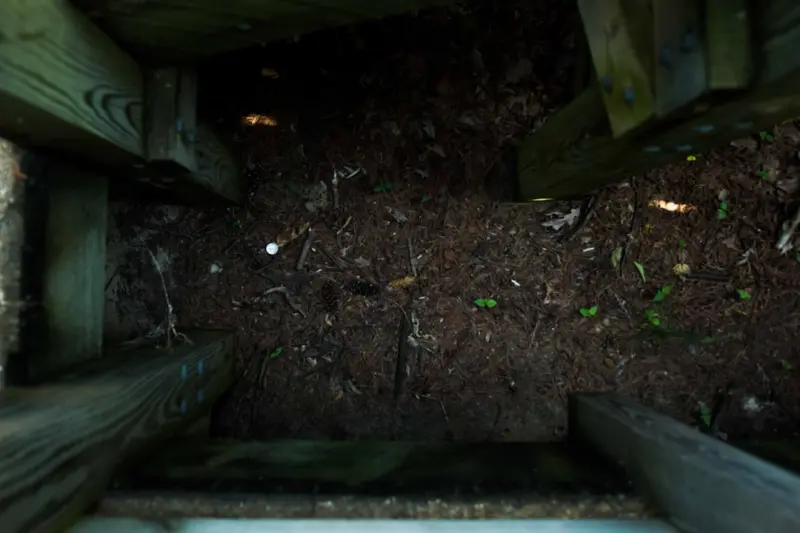
Why My Balcony Became the City’s Smallest Compost Hub
When I first moved into my third‑floor walk‑up, the thought of composting felt like a joke reserved for sprawling suburban backyards. I imagined a smelly bin, a mountain of worms, and an endless battle with neighbors over “that odor.” Fast forward six months, a stack of coffee grounds, a few carrot tops, and a reclaimed wooden box later, and I’m the unofficial curator of the building’s most vibrant compost corner. In this post I’m pulling back the curtain on how a modest balcony can transform kitchen waste into black gold, and why this tiny habit is reshaping my relationship with food, the planet, and my own living space.
The Misconception That Compost Needs a Farm‑Size Plot
Most of us grew up with the image of a farmer’s market stand overflowing with earthy piles, a scene that feels worlds away from a city apartment. But compost is fundamentally a biological process—microbes, fungi, and insects breaking down organic matter into nutrient‑rich humus. All they need is the right balance of carbon (the “browns”) and nitrogen (the “greens”), moisture, and airflow. My balcony, just 2 × 4 feet, provides ample surface area for a well‑managed system, especially when you think vertically.
To keep things tidy, I adopted a stacked bin method. The bottom layer holds a breathable liner filled with coarse shredded newspaper (carbon). Above that, I place a second tray for fresh kitchen scraps (nitrogen). A third, shallow tray catches excess moisture, preventing the dreaded “wet soup” scenario that can attract flies. When each tray reaches capacity, I simply rotate the bins: the bottom becomes the active composting chamber, the middle is the new collection point, and the top is ready for fresh inputs.
Choosing the Right Materials—No High‑Tech Gadgets Required
Unlike the sensor‑driven soil health approach that dazzles with data, my system thrives on simplicity. I sourced a reclaimed wooden crate from a local thrift shop, sanded it down, and lined it with a breathable canvas bag. The canvas keeps pests out while letting air circulate, and it can be composted along with the final product.
For the “browns,” I use:
- Shredded newspaper (no glossy pages)
- Cardboard torn into strips
- Dried leaves collected from the building’s communal garden
For the “greens,” the kitchen provides:
- Fruit peels (apples, citrus, berries)
- Vegetable trimmings (carrot tops, onion skins)
- Coffee grounds and tea bags (sans staple)
Everything is pre‑scraped onto a kitchen counter tray, making the transfer to the compost bin a quick, mess‑free motion. No need for a digital scale or moisture sensor—just a good eye for the right texture. If the pile feels dry, a light mist from a spray bottle does the trick; if it’s too soggy, I toss in extra newspaper.
Balcony Design: Turning a Compost Bin Into a Decorative Feature
One of the biggest hurdles for city dwellers is the aesthetic clash between “green living” and “modern décor.” I solved that by integrating the compost system into my balcony garden’s visual rhythm. The reclaimed crate sits beneath a tiered shelf of potted herbs—basil, thyme, and mint—so the compost bin becomes the hidden root zone, feeding the herbs above. As the compost matures, I scoop a handful of finished humus into each pot, creating a closed‑loop nutrient cycle.
To mask any visual bulk, I drape a lightweight bamboo screen around the bin, planting trailing ivy at the base. The ivy not only softens the silhouette but also helps regulate temperature, keeping the compost warm in winter and cool in summer. The result? A living wall that looks intentional, not improvised.
Getting the Micro‑Ecology Right—No Worms, No Problem
Worms are the rockstars of compost, but they’re not strictly necessary for a small indoor system. My secret weapon is the humble fungus. When I add a handful of garden soil to the bin each week, I’m inoculating it with mycorrhizal fungi that accelerate the breakdown of cellulose. Over time, the bin develops a faint, earthy aroma—a sign of a thriving micro‑ecosystem rather than a stinky mess.
If you do want to invite earthworms, consider a forest bathing mindset: treat the compost as a miniature woodland floor. A few red wigglers can be introduced in a shallow tray, and they’ll happily burrow through the organic layers, aerating the pile and speeding up decomposition. Just ensure the bin stays cool and moist, not soggy, to keep them thriving.
Harvesting the Gold: When Your Compost Is Ready
Patience is part of the process. For a 2‑square‑foot bin, the full cycle from kitchen waste to usable humus takes about eight to ten weeks, depending on temperature and material ratios. I track progress by feeling the texture—when the mixture feels crumbly, dark, and smells like fresh earth, it’s ready. I then spread the compost thinly across the top of my herb pots, or I store it in a breathable sack for future use in my community garden plot.
One of the most rewarding moments came when I noticed my basil leaves turning a deeper green, and the flavor becoming more robust after just two weeks of compost feeding. It’s a tangible proof that the effort pays off, not just for the environment but for my culinary adventures.
Scaling Up: From One Balcony to an Entire Building
After a few months of personal success, I floated the idea of a “Compost Corner” in the building’s lobby. Residents could drop off kitchen scraps in a sealed bin, and I’d manage a larger, shared compost system in the rooftop garden. This community approach not only reduces waste city‑wide but also builds social bonds—neighbors chat about their favorite recipes while waiting for the bin to be emptied.
To keep the system organized, we created a simple sign‑up sheet and a weekly schedule for bin rotation. No fancy software, just a whiteboard and a few sticky notes. The result? A measurable reduction in trash output and a modest supply of nutrient‑rich soil for the building’s communal flower beds.
Common Pitfalls and How to Avoid Them
- Overloading with “greens”: Too many high‑nitrogen foods can make the pile slimy and smelly. Keep the carbon‑to‑nitrogen ratio around 30:1.
- Neglecting airflow: Compact piles choke the microbes. Turn the compost gently every week with a small garden fork.
- Ignoring moisture levels: A damp sponge is ideal. If it feels dry, add a mist; if it feels soggy, toss in more newspaper.
- Choosing the wrong container: Non‑breathable plastic traps odors. Opt for canvas, burlap, or wood with ventilation holes.
Beyond the Bin: Integrating Compost Into a Holistic Home & Garden Lifestyle
Composting is just one piece of a larger puzzle of sustainable living. Pair it with other low‑impact habits like:
- Growing edible herbs in reclaimed jars on windowsills.
- Using rain‑catching barrels for watering your balcony garden.
- Choosing biodegradable cleaning products to keep the indoor air fresh.
When these practices intersect, the cumulative effect is a home that feels lighter, cleaner, and more in tune with nature—even amid the concrete jungle.
Final Thoughts: From Scraps to Satisfaction
My balcony compost bin started as a curiosity and has become a cornerstone of my daily routine. It reminds me that even in the smallest of spaces, we can nurture life, close loops, and contribute to a greener cityscape. If you’ve ever thought composting was “too messy” or “only for suburbanites,” I challenge you to give the stack‑bin method a try. The only tools you need are a crate, some newspaper, and a willingness to watch waste transform into something beautiful.

Karen Edwards is a seasoned freelance writer with a passion for all things furry, feathered, and scaled. With a dedicated focus on pets, she brings a wealth of knowledge and a keen eye for detail to her writing.
Related Posts
From Soil to Spreadsheet: My Green Workspace Revolution
Rose shares her journey of turning garden soil into a vibrant workspace, showing how nature boosts p... Read More
Creating a Multi‑Generational Outdoor Oasis: Design Tips for Every Age
Discover practical tips for building a backyard haven that grows with your family—flexible furnitu... Read More
Digging Deep: Transform Your Backyard into a Soil Sanctuary
Discover a step‑by‑step guide to turning your yard into a living soil sanctuary, from assessing ... Read More
Top Posts

Personal Care Rituals That Actually Stick
A deep dive into creating sustainable personal care rituals, blending mindfulness, sensory cues, and smart habits to elevate everyday wellbeing....Read More

Skill Currency: Turning Your Capabilities into a Living Employment Asset
Learn to map, value, and trade your skill units for compensation, projects, and growth, creating a dynamic employment model that benefits both employees and com...Read More

Why Garden Desks Are the Future of Employment: Jimmy Damon’s Insight
Jimmy Damon explains how integrating garden desks into remote workspaces can transform productivity, reduce stress, and drive sustainable employment practices....Read More

Modular Outdoor Living: Transforming Tiny Urban Spaces into Flexible Retreats
Explore a fresh approach to urban outdoor living with modular components that adapt to your needs, blend durability with style, and foster community collaborati...Read More
0 Comments
Post Comment
You will need to Login or Register to comment on this post!