
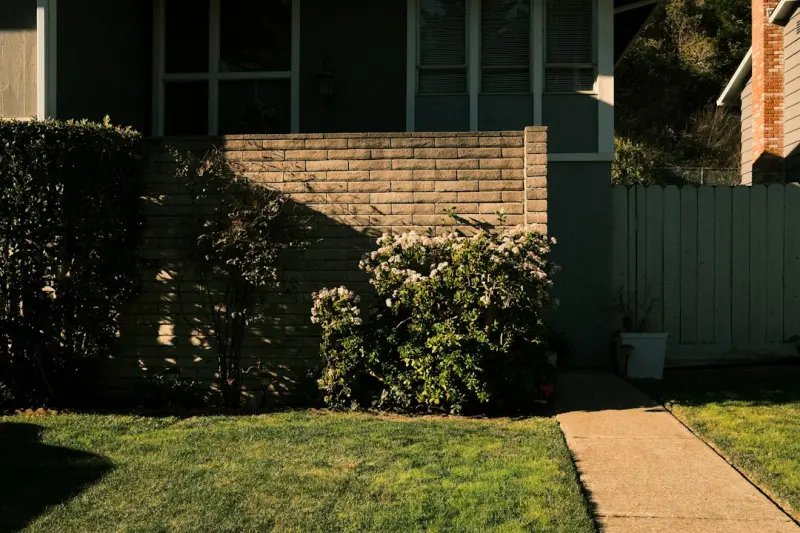
When I first inherited my cousin’s cramped city lot, I thought “garden? Here? Absolutely not.” The space was barely big enough for a bike rack, let alone a vegetable patch. Yet, after a year of trial, error, and a few too‑many late‑night Googles, that plot has transformed into a thriving food oasis that feeds my family, fuels my creativity, and even boosts my mood. If you’re skeptical that a modest backyard—or even a balcony—can become a year‑round source of fresh produce and quiet refuge, keep reading. I’m about to walk you through the mindset, the micro‑climate tricks, and the design hacks that turned my doubtful square footage into a living pantry.
Why “Food Oasis” Beats “Garden” in 2020s Lingo
Let’s start with terminology. The word “garden” often conjures images of seasonal flower beds, the occasional tomato plant, and a lot of patience. A “food oasis” shifts the narrative to abundance, sustainability, and purpose. It tells the story that every inch of your outdoor space—no matter how small—has the potential to contribute to your meals, your health, and your mental sanctuary.
In my own backyard, the difference is palpable. Instead of planting a few basil pots and calling it a day, I’m growing kale, beans, strawberries, and even a dwarf citrus tree that bears fruit every winter. The result? A pantry that looks and tastes like a farmer’s market, right outside my back door.
Step One: Map Your Micro‑Climate
Before you buy any soil, seeds, or trellises, you need to understand the micro‑climate of your space. Micro‑climates are the tiny weather variations that exist even within a single yard—sunny patches, wind‑sheltered corners, and spots that stay cooler after sunset.
- Sunlight Mapping: For a week, note how many hours each spot receives direct sun. Use a simple notebook or a phone app to log the time slots. The goal is to find at least two zones: full sun (6+ hours) and partial shade (3‑6 hours).
- Wind Check: Stand in each potential planting area on a breezy day and feel the wind’s strength. If it’s a gusty spot, consider a windbreak—like a trellis with climbing vines or a row of bamboo.
- Heat Retention: Observe which areas stay warm after the sun sets. Concrete patios and brick walls can radiate heat, extending the growing season for heat‑loving crops.
Once you have this map, you can match plants to their ideal niches. My sunny corner now houses tomatoes and peppers, while the cooler, wind‑protected nook nurtures lettuce and herbs. The result is a garden that works with nature, not against it.
Step Two: Layer Soil Like a Pro
Good soil is the foundation of any successful food oasis. But you don’t need a massive compost heap to achieve richness. Here’s a three‑layer approach that works in containers, raised beds, and even on a balcony.
- Base Layer – Drainage: Start with a 2‑inch layer of coarse sand or small gravel. This prevents waterlogging, especially crucial for container gardens.
- Middle Layer – Bulk: Mix equal parts of high‑quality potting mix and garden soil. If you can, add a handful of worm castings per cubic foot for natural nitrogen.
- Top Layer – Mulch: Finish with a thin layer of organic mulch—straw, shredded leaves, or even coffee grounds. Mulch conserves moisture, suppresses weeds, and adds nutrients as it breaks down.
Pro tip: If you’re limited on space, try a vertical soil tower. Stack a few 5‑gallon buckets with the same layered soil, cutting holes for planting in each tier. This maximizes yield per square foot and creates a striking visual element.
Step Three: Choose the Right Plants for Year‑Round Harvest
Not all vegetables are created equal when it comes to continuous production. Here are my go‑to choices that keep the kitchen stocked through every season.
- Leafy Greens (Kale, Swiss Chard, Arugula): These thrive in cooler temperatures and can be harvested leaf‑by‑leaf, encouraging regrowth.
- Root Crops (Radish, Carrot, Beet): Plant a new batch every few weeks for a staggered harvest.
- Perennial Herbs (Rosemary, Thyme, Oregano): Once established, they require minimal care and provide fresh flavor year after year.
- Dwarf Fruit Trees (Lemon, Fig, Mulberry): Choose varieties bred for container life; they produce fruit even in limited soil volumes.
- Vertical Vines (Pole Beans, Peas, Cucumbers): Use trellises or garden netting to grow upward, freeing ground space for other crops.
By mixing quick‑grow annuals with slow‑grow perennials, you create a garden that’s never out of season. It’s the culinary equivalent of a well‑balanced playlist—something fresh is always playing.
Step Four: Harness the Power of Light (Even at Night)
While I’ve avoided relying heavily on smart lighting in my design, there’s a subtle benefit to using low‑intensity LED strips on garden pathways or around trellises. They don’t just illuminate; they extend the perceived growing season for night‑time harvesters and create a soothing ambiance for evening relaxation.
For a discreet yet effective setup, check out Silent Power: How Smart Lighting Transforms Mood and Energy at Home. The article walks you through choosing warm‑tone LEDs that mimic sunset, helping plants maintain a natural rhythm while you enjoy a calm, well‑lit patio after dusk.
Step Five: Soundscapes and Sensory Layers
Gardening is as much an auditory experience as it is visual. The gentle rustle of leaves, the distant chirp of birds, or the soft trickle of a water feature can all calm the mind. I recently installed a modest bamboo water fountain that not only adds humidity for my tropical herbs but also provides a steady, white‑noise background.
If you’re curious about how sound can boost wellbeing, the Soundtrack Strategy article dives deep into curating personal audio cues. Pair a low‑volume playlist of nature sounds with your garden chores, and you’ll find the work becomes meditative rather than a chore.
Step Six: Build a “Micro‑Escape” Within Your Yard
Our lives are increasingly fast‑paced, and the need for quick, restorative breaks is real. This is where the concept of a micro‑escape shines—creating a small, intentional nook that invites you to pause, breathe, and reset.
In my backyard, I carved out a 6‑by‑8‑foot corner, layered with a soft pea‑gravel floor, a few low‑maintain succulents, and a reclaimed wooden bench. It’s not just a seat; it’s a sanctuary where I sip tea, journal, or simply watch my lettuce grow. The idea mirrors the principles in Designing Micro‑Escapes, but applied to a permanent outdoor space.
When you step into this pocket, the world feels narrower, and your stress level drops. The key is to keep it low‑maintenance—choose plants that require minimal watering and furniture that can withstand the elements.
Step Seven: Embrace Sustainable Practices
Creating a food oasis isn’t just about aesthetics; it’s an opportunity to shrink your carbon footprint. Here are simple practices that make a big difference.
- Rainwater Harvesting: Install a small rain barrel to collect runoff from your roof. Use this water for irrigation; it’s softer on plant roots and reduces municipal water usage.
- Compost Tea: Soak kitchen scraps in water for a few days, then strain and use the liquid as a nutrient‑rich foliar spray.
- Companion Planting: Pair beans with corn and squash—the classic “Three Sisters” trio—to naturally deter pests and improve soil health.
These habits not only benefit your garden but also align with a broader ethos of responsible living—something I strive to model for my readers.
Step Eight: Harvest, Preserve, and Celebrate
There’s a unique joy in plucking a ripe strawberry straight from the vine, tasting the sweetness of home‑grown basil, or snipping fresh kale for a salad. To make the most of your bounty, consider these post‑harvest tips.
- Quick Cool‑Down: Place harvested produce in a shaded area or a cooler for 15 minutes before storing. This locks in flavor and extends freshness.
- Preserve the Excess: Freeze herbs in olive oil ice‑cube trays, dry tomatoes for pasta sauces, or make a simple salsa to freeze for later.
- Share the Harvest: Host a “garden-to-table” dinner with friends or neighbors. It’s a wonderful way to build community and showcase your hard work.
Final Thoughts: The Garden as a Living, Breathing Asset
Turning a modest yard into a year‑round food oasis isn’t a magic trick; it’s a series of intentional choices—understanding micro‑climates, layering soil, picking resilient plants, and weaving sensory experiences throughout. The payoff is a space that feeds your body, soothes your mind, and stands as a testament to what small, consistent actions can achieve.
If you’re on the fence, start small. Plant a single container of herbs, observe its needs, and let that curiosity grow. Before you know it, you’ll be designing micro‑escapes, harvesting fresh produce, and enjoying the quiet triumph of a garden that works for you—no matter how limited the square footage.
Happy planting, and may your backyard become the oasis you’ve always imagined.

Miranda Murphy: Experienced freelance writer with a decade of storytelling expertise. Let's create something amazing together!
Related Posts
From Soil to Spreadsheet: My Green Workspace Revolution
Rose shares her journey of turning garden soil into a vibrant workspace, showing how nature boosts p... Read More
Edible Front Yards: Harvesting Curb Appeal and Kitchen Freshness
Learn practical design tips, plant selections, and maintenance strategies for creating an edible fro... Read More
Designing a Nighttime Garden: Light, Texture, and Tranquil Evenings
Discover how to craft a captivating nighttime garden using thoughtful lighting, reflective elements,... Read More
Top Posts
The Secret Power of a Miniature Backyard Oasis
A city dweller’s guide to converting a tiny balcony into a calming, functional oasis using vertical gardening, smart storage, low‑maintenance watering, and ...Read More
Turn Your Learning Into a Sprint: Fast‑Track Career Growth
Learn to apply agile sprint techniques to your skill development, creating focused, time‑boxed learning cycles that boost productivity and drive real career p...Read More
Designing a Backyard Sound Garden: Turn Your Outdoor Space into a Living Symphony
Turn your garden into a living concert hall with natural resonators, water whispers, and smart design—learn step‑by‑step how to build an outdoor sound san...Read More

When Your Steps Count More Than Your Emails: Harnessing Community Walking for Remote Well‑Being
A deep dive into why coordinated walking boosts mental and physical health for remote teams, with actionable steps to launch a sustainable community walking cha...Read More
0 Comments
Post Comment
You will need to Login or Register to comment on this post!