
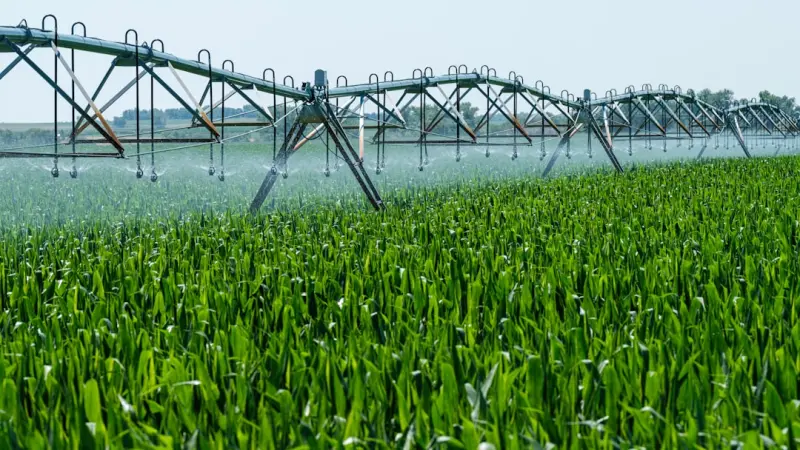
Water scarcity isn’t just a headline—it’s a daily reality that’s reshaping how we tend our backyards. As a longtime garden enthusiast who’s watched my own hose bill balloon, I’ve become obsessed with finding ways to give plants exactly what they need while keeping the tap off‑load to a minimum. Smart irrigation offers that sweet spot, marrying data‑driven precision with the humble joy of watching seedlings sprout, and it can be achieved without breaking the bank.
Why Go Smart? The Real Benefits Behind the Buzz
First, a properly calibrated system can slash water use by up to 50 %, turning a wasteful sprinkler routine into a laser‑focused hydration schedule that respects both the soil and the planet. Second, plants thrive when moisture is delivered consistently, reducing stress‑related diseases and boosting yields—whether you’re growing tomatoes, herbs, or ornamental blooms. Finally, the cost savings extend beyond the water bill; fewer dead plants mean less money spent on replacements, fertilizers, and the occasional panic‑inducing garden makeover.
Selecting a System That Fits Your Space and Wallet
There’s a spectrum of smart solutions, from plug‑and‑play timer valves that sync with your phone to sensor‑driven drip lines that read soil moisture in real time. If you have a modest yard, a simple Bluetooth‑enabled controller paired with a few moisture probes can deliver impressive results. For larger properties, consider a zoned approach—multiple controllers each governing a specific micro‑climate, ensuring shade‑loving ferns receive less water than sun‑baked roses. The key is to match technology to the garden’s complexity, not to chase the most expensive gadget on the market.
DIY Budget Tech: Building Your Own Irrigation Brain
For the hands‑on homeowner, repurposing an old Arduino or Raspberry Pi can transform a hobbyist project into a fully functional irrigation hub. By wiring a cheap flow sensor, a couple of solenoid valves, and a moisture probe, you create a closed‑loop system that decides when to water based on real‑time data. The hardware costs stay under $50, and the open‑source code community offers plug‑and‑play scripts that you can tweak to suit your planting calendar. This DIY route not only saves money but also gives you the satisfaction of customizing every parameter, from watering duration to seasonal adjustments.
Leveraging Weather Forecasts and Smartphone Integration
Modern smart controllers can pull hyper‑local weather data, automatically delaying irrigation if rain is imminent—a feature that prevents overwatering and protects delicate seedlings from fungal threats. Pair your hardware with a user‑friendly app that lets you monitor soil moisture graphs, set up alerts for dry zones, and even share data with neighbors interested in community gardening. By syncing with your phone, you gain the flexibility to pause a cycle during a sudden heatwave or extend watering after an unexpected cold snap, keeping your garden resilient against climate’s whims.
Step‑by‑Step Installation: From Planning to First Water Drop
Start by mapping your garden into zones based on sun exposure, plant type, and soil composition; this blueprint will dictate where sensors and drip lines belong. Next, trench shallowly to lay the tubing, ensuring each valve sits at the head of its zone for optimal pressure control. Connect the moisture probes at root depth, calibrate them using the “wet‑dry” method, and feed the data into your controller’s learning algorithm. Finally, run a test cycle—watch the water pulse through each zone, adjust flow rates, and fine‑tune the timing until the soil feels uniformly moist but not soggy.
Maintenance Hacks to Keep Your System Running Smoothly
Even the smartest setup needs regular TLC: flush the lines monthly to prevent mineral buildup, inspect sensors for drift, and replace any cracked tubing before it becomes a leak source. If you notice uneven wetting, revisit the placement of drip emitters; sometimes a simple repositioning resolves the issue. Keep the controller firmware up to date, as manufacturers frequently roll out efficiency patches that improve battery life and enhance weather‑integration accuracy. By staying proactive, you avoid costly repairs and ensure your garden remains a thriving, water‑wise haven.
Scaling Up and Looking Ahead: From Smart Irrigation to a Connected Garden
Once your irrigation backbone is solid, it’s easy to layer additional smart features—think soil‑temperature sensors that trigger frost protection, or automated nutrient injectors that feed your vegetables at the optimal growth stage. Integrating with other garden projects, such as Vertical Gardening Tips, can maximize limited space while the irrigation system ensures each tier receives precise moisture. For families with pets, consider pairing with Pet‑Friendly Garden Ideas to create safe watering zones that deter curious paws. Embracing smart irrigation not only conserves water but also future‑proofs your outdoor sanctuary, turning a simple backyard into a resilient, tech‑enhanced ecosystem.

Jimmy Damon loves to right on a large scale of topics with all things Canadian as this Montreal die hard loves hockey. fishing and sports.
Related Posts
Why My Garden Desk Became the Soul of My Home
A garden desk isn’t just a workspace—it’s a sanctuary where home life, productivity, and natur... Read More
From the Cubicle to the Garden: How My Outdoor Desk Redefined Home Life
A personal journey from a cramped cubicle to a thriving garden desk, revealing how outdoor workspace... Read More

Design a Sensory Garden that Engages All Five Senses
A sensory garden combines sight, scent, sound, touch, and taste to create a therapeutic outdoor spac... Read More
Top Posts

Soundscaping Your Home: Simple Hacks for a Calmer, More Focused Space
Learn how to transform any living space into a sound sanctuary with low‑cost rugs, DIY acoustic panels, strategic plant placement, and smart‑speaker ambient...Read More

Illuminating Your Home: How Ambient Lighting Transforms Everyday Living
A deep dive into using layered ambient lighting, smart bulbs, and air‑purifying plants to create a brighter, healthier, and more organized home environment....Read More

Playful Productivity: Turning Structured Play into a Mental Health Super‑Tool
This article explores how intentional, short‑duration play can reset the brain, reduce stress, and enhance productivity, offering practical play templates, me...Read More

The Four-Day Workweek: A Competitive Edge for Modern Employers
Explore the strategic benefits of a four‑day workweek, from talent attraction and cost savings to measurable productivity gains, and learn how to implement it...Read More
0 Comments
Post Comment
You will need to Login or Register to comment on this post!