
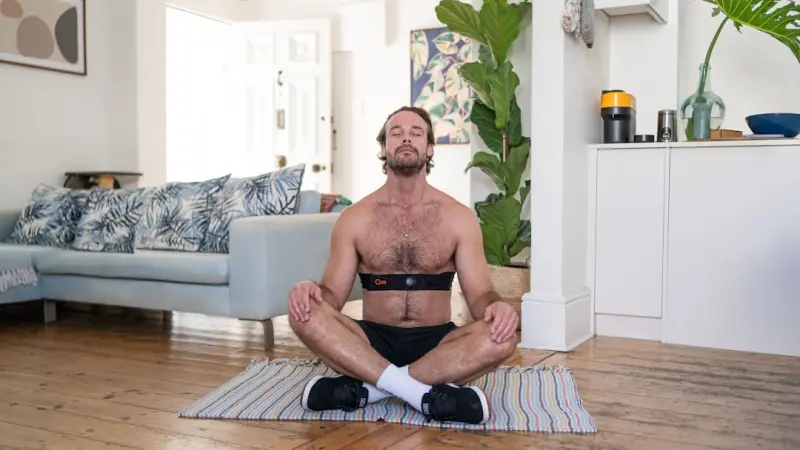
Why Breath Is the Hidden Reset Button for Your Whole System
When I first started experimenting with deliberate breathing during a chaotic week of client meetings and late‑night deadlines, I discovered that a single, mindful inhale can act like a tiny switch that instantly recalibrates the nervous system, lowers cortisol, and even nudges the gut‑brain axis toward a more harmonious dialogue, which means that the simple act of paying attention to the rhythm of air moving in and out of our lungs does far more than just oxygenate cells; it creates a cascade of physiological benefits that ripple through the cardiovascular, endocrine, and immune pathways, supporting everything from clearer mental focus to a steadier heart rate, and because the breath is always with us, it becomes an accessible, cost‑free tool that anyone can tap into without needing a gym membership or pricey supplements, turning everyday moments into opportunities for restoration.
The Science Behind Diaphragmatic Breathing and Stress Reduction
Research from neurophysiology labs shows that engaging the diaphragm fully activates the vagus nerve, a key component of the parasympathetic “rest‑and‑digest” response, and when this nerve is stimulated through slow, deep breaths, the brain releases a surge of gamma‑aminobutyric acid (GABA) and serotonin, neurotransmitters that calm anxious circuits, which in turn lowers blood pressure, improves heart‑rate variability, and creates a feedback loop that teaches the body to stay relaxed even when external stressors surge, a principle that aligns beautifully with the concepts I explore in Layered Sensory Self‑Care, where intentional sensory inputs, including breath, become a scaffold for lasting calm.
Three Simple Breath Patterns You Can Use Anywhere
First, the 4‑7‑8 technique—inhale for four counts, hold for seven, exhale for eight—creates a gentle pause that lengthens the exhalation, the phase linked to parasympathetic activation, and by repeating this cycle for just two minutes before a presentation, I notice my voice steadies and my thoughts align; second, box breathing—four seconds in, four seconds hold, four seconds out, four seconds hold—mirrors the rhythm of a heart’s natural beat, reinforcing cardiac coherence and helping athletes maintain focus during high‑intensity intervals, a method I’ve borrowed from elite sports training and adapted for everyday office life; third, the “lion’s breath,” a playful exhale that releases tension in the jaw and facial muscles while sounding like a gentle roar, which not only loosens the upper body but also triggers a burst of endorphins that lift mood, and because these patterns are quick, they fit seamlessly into coffee breaks, commute windows, or even while waiting in line for a latte.
How Breath Works Hand‑in‑Hand with Movement for Maximum Impact
Pairing rhythmic breathing with micro‑movements, such as a series of desk‑friendly stretches or a brief walk around the office, amplifies oxygen delivery to muscles, clears lactic acid faster, and reinforces the mind‑body connection, a synergy highlighted in Tiny Bursts, Big Gains, where short bouts of activity become powerful health catalysts; when you synchronize each arm raise with an inhale and each lower with an exhale, you create a natural pacing that trains the respiratory system to become more efficient, which over weeks can increase lung capacity by up to 15 percent, improve posture by engaging the core diaphragm, and reduce the mental fog that often follows prolonged screen time, turning otherwise mundane movements into purposeful, revitalizing rituals.
Breath as a Tool for Better Sleep Without Medication
One of the most common complaints I hear from readers is restless nights, and the truth is that a chaotic breathing pattern before bed—shallow, rapid chest breaths—signals the brain that it’s still in “fight‑or‑flight” mode, whereas a slow, diaphragmatic rhythm cues the body to wind down, lowers melatonin latency, and supports the transition into the deep‑sleep stages essential for cellular repair; by practicing a simple 5‑minute bedtime routine that starts with a belly‑fill inhale, a gentle pause, and a prolonged sigh out, you can reset the autonomic balance, reduce nighttime awakenings, and even improve dream recall, offering a natural alternative to over‑the‑counter sleep aids that often leave you groggy the next morning.
Integrating Breathwork Into Your Daily Nutrition Rituals
Before each meal, I take three conscious breaths, inhaling the aroma of the food, holding for a beat to savor the anticipation, and exhaling slowly to settle my mind, a practice that not only heightens sensory awareness but also activates the cephalic phase of digestion, prompting the release of saliva, gastric enzymes, and insulin in a coordinated fashion that improves nutrient absorption and curbs overeating, and because mindful breathing reduces impulsive cravings, it can be a subtle ally in weight‑management journeys without the need for restrictive diets or calorie‑counting apps; this approach dovetails nicely with the principles of intuitive eating, where listening to your body’s signals becomes the compass for healthier choices.
Using Breath to Enhance Emotional Resilience in Social Settings
Social gatherings can trigger anxiety spikes, especially when we feel the pressure to perform or engage, and by employing a quick “square breathing” technique—four seconds inhale, four seconds hold, four seconds exhale, four seconds hold—right before stepping into a party or meeting, you effectively reset the limbic system, dampening the amygdala’s alarm response and allowing the prefrontal cortex to guide thoughtful conversation, which not only improves confidence but also helps you stay present, genuinely listen, and respond with empathy, turning what might have been a draining experience into a rewarding connection that fuels your overall mental well‑being.
Creating a Personal Breathwork Routine That Sticks
The key to lasting change is consistency, and building a breathwork habit is no different than establishing any other health ritual; start by choosing a cue—perhaps the sound of your phone alarm or the moment you sit down at your desk—and pair it with a two‑minute breathing practice, gradually extending the duration as the habit solidifies, while tracking progress in a simple journal to notice patterns such as reduced stress scores or improved focus, and if you ever feel stuck, revisit the playful spirit of Playful Healing to inject creativity, like counting breaths in rhyme or visualizing each exhale as a cloud drifting away, ensuring the practice remains enjoyable, sustainable, and deeply integrated into the fabric of your everyday life.

Jessica Gills is a freelance writer carving a niche for herself by empowering others through her words. With a focus on careers, self-development, and business, she helps readers navigate the complexities of the modern professional landscape.
Related Posts

Rewiring Your Night: The Untapped Power of Sleep Architecture
A deep dive into sleep architecture reveals practical, science‑backed steps—from lighting and so... Read More

Reclaiming Your Mind: A Practical Guide to Digital Detox for Lasting Health
A comprehensive guide that blends breathwork, micro‑movement, and sensory rituals to help you brea... Read More

Micro‑Movement: Turning Everyday Moments into a Health‑Boosting Habit
Micro‑movement turns everyday pauses into health‑enhancing actions. Learn practical, equipmentâ€... Read More
Top Posts

When Dusk Falls: Crafting a Nighttime Garden Oasis
Discover how to transform your outdoor space into a tranquil night‑time garden using layered lighting, soothing water features, fragrant night‑blooming plan...Read More

The Breath Reset: How Intentional Breathing Can Rewire Your Immune System
Intentional breathwork, especially slow exhalations, activates the parasympathetic system, reducing stress hormones and inflammation, thereby enhancing immune r...Read More

AI as a Creative Partner: Rethinking Collaboration
Discover a fresh perspective on AI collaboration, shifting from tool use to true co‑creation, with practical steps, ethical guardrails, and future insights....Read More

Quiet Corners and Clever Hacks: Transform Your Home into a Productivity Oasis
A step‑by‑step guide to turning everyday corners into quiet, efficient, and energizing zones, using simple storage tricks, smart tech, natural light, and su...Read More
0 Comments
Post Comment
You will need to Login or Register to comment on this post!