
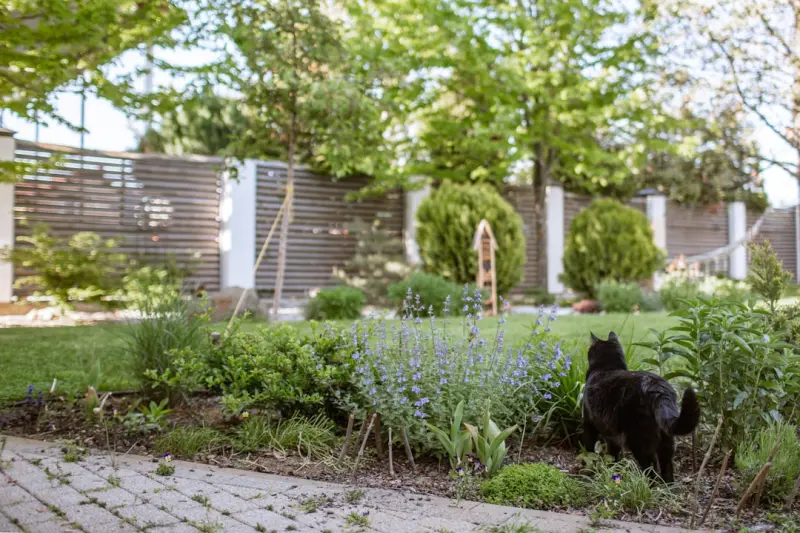
Seasonal Doorway Transformations: Turning Entryways into Living Welcomes
When I first moved into my current home, the front door was nothing more than a functional barrier—plain, uninviting, and frankly, a bit forgettable. Over the years, I discovered that the entrance is the first story your house tells, and like any good narrative, it deserves a compelling opening. This post is my hands‑on guide to re‑imagining doorways throughout the year, using natural elements, modest budgets, and a dash of creativity to make every arrival feel like stepping into a curated experience.
Why the Doorway Deserves a Seasonal Makeover
Most homeowners think of garden projects in terms of big‑scale changes—new lawns, backyard decks, or full‑blown vegetable patches. The truth is, a small, well‑designed entry can have an outsized impact on both curb appeal and personal mood. A seasonal doorway does three things:
- Signals hospitality: Guests sense warmth before they even cross the threshold.
- Reflects your rhythm: Changing décor with the seasons keeps your home feeling fresh and aligned with nature’s cycles.
- Boosts property value: Subtle, thoughtful enhancements are often noted in home inspections and can tip a buyer’s decision.
Beyond aesthetics, a dynamic entrance creates a sense of anticipation. Think of it as a visual prelude that prepares you for the interior’s atmosphere. The key is to keep it simple, sustainable, and adaptable.
Planning Your Seasonal Palette
Before you rush to the nearest garden centre, take a step back and map out a seasonal plan. I recommend dividing the year into four distinct phases: Bloom, Harvest, Hearth, and Rest. Each phase has a guiding colour palette, material focus, and a set of plants or accessories that thrive during that period.
Bloom (Spring)
Think pastel pinks, soft blues, and fresh greens. This is the time for light‑weight climbers like clematis, sweet peas, and dwarf roses that can be trained on a trellis mounted above the door. Pair them with a weather‑proof bench painted in a muted teal and a woven basket of fresh herbs—basil, mint, and thyme—to add scent and culinary utility.
Harvest (Summer)
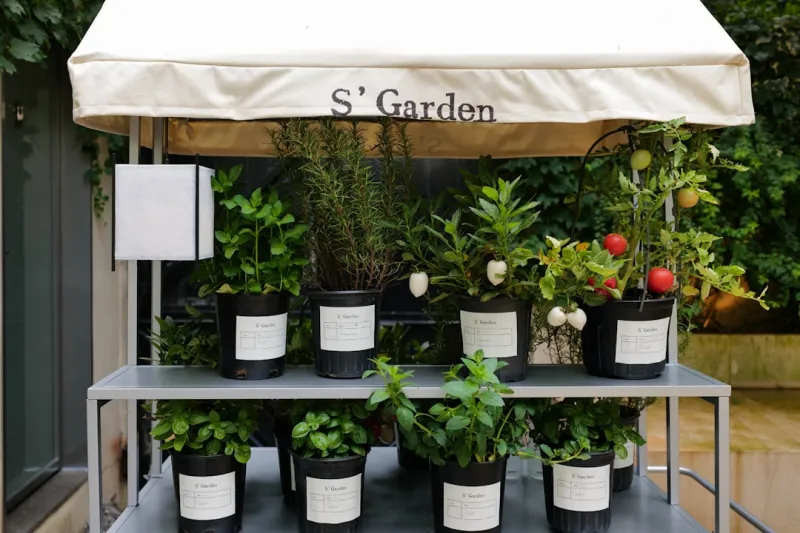
Bold reds, oranges, and sunny yellows dominate. Swap the delicate climbers for sun‑loving vines such as passionflower or hardy bougainvillea. Add a low‑profile wooden pallet that serves as a display shelf for potted tomatoes, peppers, and a few heirloom varieties you’ve saved from last season’s garden. A small, solar‑powered lantern adds a warm glow as evenings stretch out.
Hearth (Autumn)
Deep burgundy, burnt sienna, and rustic amber set the mood. Replace summer vines with ornamental grasses, ornamental kale, and ornamental cabbage that bring texture and colour after the heat fades. Incorporate natural elements like a reclaimed wooden crate filled with pumpkins, gourds, and dried corn husks. A weather‑proof rug made from sisal or jute underfoot invites visitors to linger a moment longer.
Rest (Winter)
Cool greys, icy blues, and crisp whites dominate, but that doesn’t mean the doorway has to look barren. Use evergreen sprigs—like rosemary or juniper—arranged in a simple glass vase. Add a decorative bird feeder that doubles as a winter sculpture, and consider a matte black or charcoal metal mailbox for a sleek, modern touch.
Choosing Materials That Age Gracefully
Seasonal décor is only as durable as the materials you choose. Here are my go‑to selections that withstand the elements while looking better with age:
- Recycled metal brackets: Ideal for hanging planters or supporting lightweight trellises. They resist rust when powder‑coated.
- Weather‑treated wood: Cedar and redwood naturally repel insects and rot, making them perfect for benches, pallet shelves, and decorative crates.
- Natural stone: Small flagstones or river rocks create a grounding base for potted plants and can be set in a shallow trench to improve drainage.
- Glass containers: Clear or frosted jars showcase the colour of seasonal foliage and can be swapped out effortlessly.
When you combine these materials with a rotating plant roster, you create a doorway that feels intentional rather than temporary.
Plant Selection: The Secret Sauce
Choosing the right plants is both an art and a science. I follow three simple criteria:
- Hardiness zone compatibility: A plant that thrives in your climate will need less maintenance and survive unexpected weather swings.
- Growth habit: Opt for compact, self‑containing varieties that won’t outgrow their space too quickly.
- Scent profile: A subtle fragrance can make the arrival experience multisensory without overwhelming the senses.
Here’s a quick reference guide for each season:
| Season | Plant | Key Feature |
|---|---|---|
| Spring | Clematis (white or pink) | Climbs quickly, blooms profusely |
| Spring | Sweet pea | Delicate scent, easy annual |
| Summer | Passionflower | Vibrant flowers, attracts pollinators |
| Summer | Dwarf tomato (cherry) | Edible, compact growth |
| Autumn | Ornamental kale | Textured foliage, frost‑tolerant |
| Autumn | Japanese maple (dwarf) | Seasonal colour shift |
| Winter | Rosemary | Evergreen, aromatic |
| Winter | Juniper | Soft blue‑green needles |
Integrating Smart Elements Without Overcomplicating
While this post isn’t about high‑tech gardening, a subtle touch of smart tech can enhance the seasonal experience. A compact compost bin tucked near the door can turn kitchen waste into nutrient‑rich soil for your doorway plants. Pair it with a simple moisture sensor that alerts you via a phone notification when a pot needs watering. The goal is to stay connected to the natural rhythm, not to replace it.
Step‑by‑Step: Building Your First Seasonal Doorway (Spring Example)
- Assess the space: Measure the width of the entry, note sunlight exposure, and identify any existing fixtures that can be repurposed.
- Install a trellis: Attach a lightweight, powder‑coated metal trellis just above the door frame, using stainless‑steel screws for durability.
- Choose containers: Opt for three to five medium‑size terracotta pots with drainage holes. Place them on a weather‑treated wooden pallet that sits flush with the ground.
- Plant your climbers: Fill each pot with a well‑draining mix (one part peat, one part perlite, one part compost). Plant clematis at the center, surround with sweet pea seedlings, and water thoroughly.
- Add sensory elements: Place a small, reclaimed wooden bench painted a soft pastel. Hang a glass jar filled with fresh basil sprigs to add aroma.
- Final touches: Lay a jute rug in front of the door, and position a solar lantern on the bench for evening ambience.
Repeat this process with adjustments for each season, swapping out plants, colours, and accessories. The underlying structure—the trellis, pallet, and bench—remains constant, saving you both time and money.
Maintaining the Magic Year‑Round
Consistency is key. Set a bi‑weekly routine to:
- Inspect plant health and prune as needed.
- Refresh soil in pots to prevent compaction.
- Rotate decorative items (e.g., switch out pumpkins for gourds, or replace spring herb bundles with winter evergreen sprigs).
- Check hardware for rust or loosening, especially after heavy rain or snow.
These small habits keep the doorway looking intentional and cared for, turning a simple entryway into a living showcase of your home's personality.
Conclusion: A Doorway That Tells a Story
Our homes are extensions of ourselves, and the doorway is the first chapter. By embracing seasonal changes, selecting resilient materials, and integrating modest smart tools, you can craft an entry that feels fresh every few months while staying rooted in a cohesive design language. The result? A welcoming threshold that greets you, your family, and your guests with a subtle narrative of nature’s ebb and flow—one that invites you to step inside with curiosity and delight.

Robert Mathews is a professional content marketer and freelancer for many SEO agencies. In his spare time he likes to play video games, get outdoors and enjoy time with his family and friends .
Related Posts
Cultivating Productivity: How a Garden Desk Can Transform Your Home Workspace
Explore the rise of garden desks and learn how to create a productive, nature‑infused workspace at... Read More
Scent & Substance: Crafting a Home Garden That Feels Like You
Learn to turn reclaimed items, fragrant herbs, and simple DIY projects into a sensory-rich home gard... Read More
Balcony Bounty: A Guide to Year‑Round Container Harvests
Discover how to turn any balcony into a productive, beautiful garden using clever container choices,... Read More
Top Posts

When AI Becomes a Cross‑Cultural Translator: Bridging Global Team Gaps
A deep dive into AI-powered cross‑cultural translation, showing how real‑time contextual intelligence can bridge communication gaps, improve global teamwork...Read More

Personal Care Playbook for Remote Workers: Turning Home Spaces into Wellness Hubs
A practical guide for remote workers to revamp personal care, turning everyday home environments into intentional wellness hubs through zoning, micro‑rituals,...Read More

The Unexpected Ally: How Generative AI Is Redefining Creative Collaboration
Generative AI is evolving from a tool to a creative ally, helping B2B SaaS teams brainstorm, prototype, and validate ideas faster while keeping human authentici...Read More
Cultivating Success: How a Garden Desk Transforms Modern Employment
A garden desk isn’t just a trend—it’s a powerful tool that merges nature with work, enhancing focus, wellness, and employee retention. Explore the benefit...Read More
0 Comments
Post Comment
You will need to Login or Register to comment on this post!