
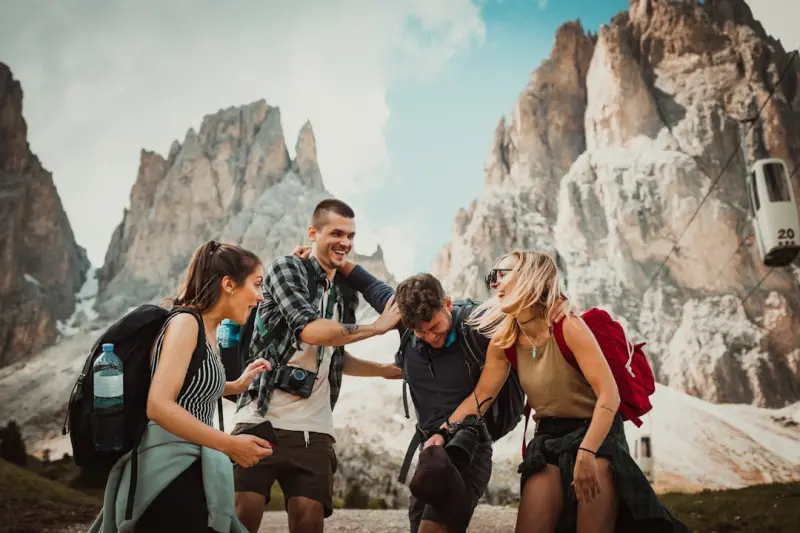
Why Travel Should Be Treated Like a Living Museum
When I first set foot on a bustling market in Marrakesh, I realized that my usual travel checklist—flights, hotels, “must‑see” landmarks—was missing the most vivid part of the experience. The city was not just a series of sights; it was a symphony of aromas, textures, and sounds that played on repeat in my mind long after I left. That moment sparked a personal experiment: to travel as if each destination were an exhibit, and I were both the curator and the visitor.
From Checklist to Curiosity Map
Most travel guides focus on the “top ten” attractions, but those lists often reduce complex cultures to bite‑size bullet points. Instead, I began designing a curiosity map that centers on my senses. I ask myself: What flavors might I discover at the next stall? Which street musicians could become my soundtrack? Which textures will I feel under my fingertips? By turning curiosity into a map, the journey becomes an open‑ended adventure rather than a race to tick boxes.
1. Building a Personal Sensory Palette Before Departure
Before any trip, I spend an hour researching the local cuisine, traditional fabrics, and popular music genres. I compile a sensory playlist—a mix of Spotify tracks from the region, recipes I want to try, and even YouTube videos of market sounds. This pre‑travel ritual primes my brain to notice subtleties I might otherwise overlook. It’s also a wonderful way to spark creativity that fuels every step of the journey.
- Flavor forecasts: Identify a signature spice or fruit you’ve never tried and seek it out.
- Sound scouting: Look for live performances, street chants, or local radio stations you can stream.
- Touch targets: Plan visits to tactile experiences—hand‑woven workshops, pottery studios, or even ancient stone walls.
2. Letting Soundscapes Guide Your Path
Sound is the most immediate indicator of a place’s rhythm. In Lisbon, the clatter of tram wheels blended with fado singers echoing from narrow alleys. I now carry a small portable recorder, not to capture every moment, but to note when a particular melody pulls me toward a hidden courtyard or a bustling plaza. Those recordings become auditory bookmarks, reminding me of moments that a photo alone can’t convey.
3. Tasting the Uncharted: Food as a Narrative Thread
Food is a story told on the tongue. Rather than ordering the usual tourist fare, I ask locals for their “family favorite” dishes—those rarely found on mainstream menus. In Osaka, a street vendor handed me a bowl of takoyaki that tasted of sea‑spray and midnight lantern light. I paired it with a small notebook entry describing the vendor’s grin, the steam rising, and the crowd’s chatter. That single bite turned into a vivid memory that I can replay years later.
4. Touching History: The Power of Tactile Exploration
When I visited the ancient temples of Angkor, I spent extra time feeling the cool stone carvings, tracing the worn edges of centuries‑old bas-reliefs. The tactile connection turned the architecture from a visual marvel into a physical conversation. I recommend bringing a lightweight, reusable glove to protect your hands while still allowing you to feel the textures that define a place’s history.
5. Smell as a Memory Anchor
Researchers agree that scent is the most potent trigger for memory recall. I now make a habit of noting the dominant smells of a location—whether it’s incense drifting from a temple, the salty tang of a seaside market, or the earthy aroma of rain on terracotta roofs. By intentionally inhaling these scents, I create olfactory anchors that later bring the destination back to life with surprising clarity.
6. Journaling Beyond Words: Sketches, Doodles, and Sound Clips
Traditional travel journals are often filled with typed paragraphs, but I’ve found that a mixed‑media approach captures the experience more fully. I keep a small sketchbook for quick line drawings of street scenes, a pen for scribbled thoughts, and a voice memo app for short audio reflections. This hybrid method mirrors the way my brain records experiences—through visuals, sounds, and fleeting impressions.
To deepen the reflective practice, I occasionally revisit the idea of rewriting internal narratives. By reframing a challenging travel moment (like a missed train) as an unexpected detour that led to a hidden café, I turn potential frustration into a story worth telling.
7. Balancing Exploration with Mindful Rest
Travel can be exhilarating, yet it’s easy to over‑schedule and burn out. Instead of cramming every hour, I schedule “sensory pauses.” These are brief moments—five to ten minutes—where I simply sit in a park, sip a local tea, and absorb the ambient sounds. These pauses act like mental reset buttons, ensuring that the flood of sensory input doesn’t become overwhelming.
8. Staying Hydrated the Smart Way
One overlooked aspect of any journey is maintaining proper fluid balance, especially when exploring hot markets or high‑altitude trails. I now carry a reusable bottle with a built‑in filter, refilling it at trusted water stations. Staying hydrated not only keeps my energy up but also sharpens my senses, allowing me to fully appreciate the flavors, smells, and textures I encounter.
For those interested in the science behind staying refreshed on the road, there’s an excellent read on the importance of water intake during extended travel here. While the original piece focuses on remote work, the principles translate perfectly to any explorer on the move.
9. Turning Moments into a Living Archive
When I return home, I don’t simply file away photos; I create a “travel archive” that combines my sketches, audio notes, scent descriptions, and taste journals. I organize this archive by sense, allowing me to revisit the experience through the lens I originally used to explore. Over time, this archive becomes a personal museum—a curated collection that informs future trips and inspires others to travel with intention.
Conclusion: Embrace the Journey as an Ongoing Exhibition
The world is an ever‑changing gallery, and each trip offers a fresh exhibition for us to curate. By shifting focus from a destination checklist to a sensory‑first mindset, we unlock deeper connections, richer memories, and a renewed sense of wonder. So the next time you pack your bag, remember to bring not just clothes and chargers, but also a curiosity map, a recorder, and an open heart ready to taste, hear, see, touch, and smell the stories waiting to be discovered.

Sanji Patel has dedicated 25 years to the SEO industry. As an expert SEO consultant for news publishers, he emphasizes providing both technical and editorial SEO services to news publishers worldwide. He frequently speaks at conferences and events globally and offers annual guest lectures at local universities.
Related Posts

The Rise of Digital‑Nomad Hubs: Redefining Travel for the Hybrid Workforce
Digital‑nomad hubs are transforming travel from brief getaways into immersive, sustainable lifesty... Read More
Eco-Adventure Playbooks: Designing Low-Impact Journeys for the Modern Nomad
Rose DesRochers shares a step‑by‑step guide to building an eco‑adventure playbook, blending th... Read More
Travel as a Language Lab: One Phrase a Day to Unlock Hidden Worlds
Learn the power of a single daily phrase to turn ordinary trips into immersive cultural adventures, ... Read More
Top Posts

Turn Your Backyard Into a Pollinator Powerhouse: Step‑by‑Step Blueprint
Discover a hands‑on guide to converting any backyard into a thriving pollinator sanctuary, featuring native plant picks, water‑saving tips, and low‑mainte...Read More

Create a Calm, Functional Entryway That Welcomes You Home Every Day
A cluttered entryway can trigger anxiety, but a thoughtful redesign using simple storage, lighting, scent, and smart tech can transform it into a calm, welcomin...Read More

Why Your Desk Needs a Movement Minute (And How to Make It Stick)
Micro‑movement breaks are a low‑effort habit that can counteract the health risks of prolonged sitting, boost circulation, and sharpen mental clarity, makin...Read More

Cold Exposure: Tiny Chills, Big Wellness Wins
Explore the surprisingly powerful health perks of everyday cold exposure—from icy showers to brief outdoor chills—and how to safely add these tiny temperatu...Read More
0 Comments
Post Comment
You will need to Login or Register to comment on this post!