
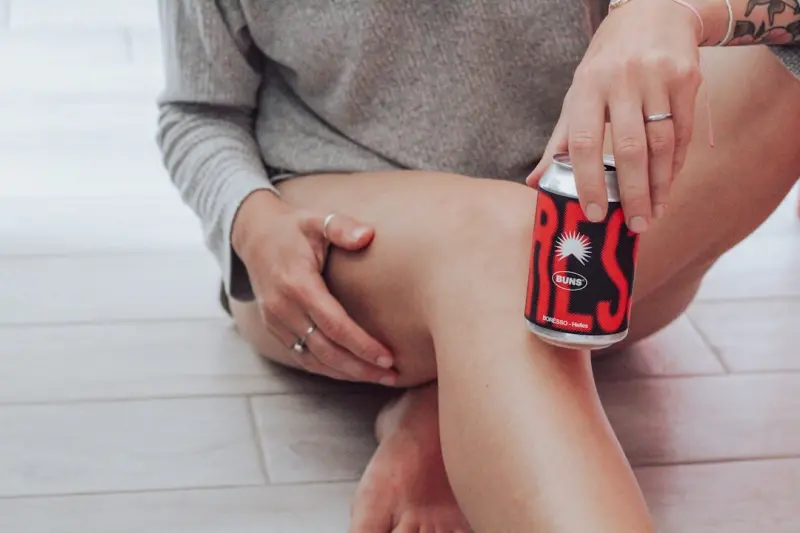
When the office thermostat settles at a comforting 72°F, most of us assume that temperature is a neutral backdrop to our day. Yet a growing body of research suggests that the deliberate introduction of cold—whether through a brief shower, an icy facial rinse, or a chilled workspace—can act as a powerful catalyst for mental clarity, immune resilience, and sustained energy. This isn’t about extreme winter sports or avant‑garde wellness trends; it’s about integrating small, science‑backed cold exposure practices into the rhythm of a typical workday.
Why Cold Works: The Physiology Behind the Chill
At its core, cold exposure triggers a cascade of physiological responses that are surprisingly beneficial for the modern professional:
- Activation of the sympathetic nervous system – The “fight‑or‑flight” branch fires up, releasing norepinephrine, a hormone that sharpens focus and elevates mood.
- Boosted brown adipose tissue (BAT) activity – Unlike white fat, BAT burns calories to generate heat, increasing overall metabolic rate and helping regulate blood sugar.
- Improved circulation – Blood vessels constrict in response to cold, then dilate once warmth returns, creating a natural “pump” that flushes out metabolic waste.
- Strengthened immune signaling – Short‑term cold stress has been shown to increase the production of white blood cells and anti‑inflammatory cytokines, bolstering the body’s defense mechanisms.
These mechanisms translate into tangible workplace benefits: heightened alertness, reduced brain fog, and a more robust response to the inevitable stressors of a high‑tempo environment.
Integrating Cold into the Workday Without Disruption
Adopting cold therapy doesn’t require a complete overhaul of your schedule. Below are practical, low‑commitment tactics you can weave into existing routines:
1. The 30‑Second Ice Splash
Start your day with a quick splash of cold water on your face. This simple act triggers the “diving reflex,” slowing heart rate and sharpening mental acuity. It’s an instant reset button that can replace the typical coffee‑induced jitter.
2. Cold‑Infused Desk Breaks
Swap a coffee break for a micro‑break focused on breath and temperature. Fill a small bowl with ice water, dip your hands for 20 seconds, then return to work. The tactile shock forces a brief mental pause, breaking up the monotony of continuous screen time.
3. The “Cool‑Down” Meeting
When you need to discuss tough topics, schedule a standing meeting in a slightly cooler conference room (around 68°F). The subtle chill can reduce anxiety, making participants feel more present and less prone to defensive posturing.
4. Cold Showers Before High‑Stake Calls
Allocate a five‑minute cold shower before an important presentation. The surge of norepinephrine not only steadies nerves but also enhances vocal projection and clarity.
Cold Therapy Meets Digital Overload
Many professionals wrestle with the relentless barrage of notifications, emails, and instant messages. While we often look to software solutions to tame this digital din, a physical counterbalance—cold exposure—can provide an immediate, low‑tech antidote. The physiological arousal from a cold stimulus helps the brain transition out of a hyper‑stimulated state, making it easier to refocus after a flood of alerts.
For a deeper dive into the mental toll of constant digital interruptions, see our piece on understanding digital interruptions. Pairing the insights from that article with a brief cold rinse can amplify your ability to recover from notification fatigue.
Cold and Cognitive Resilience: A Symbiotic Relationship
While the cold physically awakens the body, it also primes the brain for resilience. The brief stress of a cold stimulus is a form of hormesis—a process where low‑level stressors stimulate adaptive, protective mechanisms. This mirrors the concept of “tiny cognitive pauses” that interrupt mental drift, but cold adds a physiological layer that deepens the effect.
Research indicates that individuals who practice regular cold exposure report:
- Improved working memory performance.
- Greater tolerance for mental fatigue during prolonged tasks.
- A reduction in perceived stress levels, even when faced with tight deadlines.
These outcomes suggest that cold therapy can be a strategic tool for enhancing the very mental muscles we rely on for problem‑solving, creativity, and strategic thinking.
Designing a Cold‑Friendly Workspace
Creating an environment that encourages chilly moments doesn’t mean turning your office into an Arctic tundra. Consider these subtle design tweaks:
- Cool zones – Designate a corner with a small fan or a chilled tabletop water feature. Employees can step in for a quick cool‑down during peak focus periods.
- Adjustable thermostat – Allow individuals to lower their personal space temperature by a few degrees, especially during collaborative sessions that demand heightened alertness.
- Portable ice packs – Keep a stash of reusable gel packs that can be briefly applied to wrists or necks during high‑stress moments.
These adjustments are inexpensive, easy to implement, and can be framed as part of a broader wellness initiative without requiring a major budget.
Addressing Common Concerns
“I’m too sensitive to cold.” Start with milder exposures—such as a cool (not ice‑cold) shower or a brief hand dip—and gradually increase intensity. The body adapts over time, and even modest temperature changes yield benefits.
“Will cold exposure interfere with my health conditions?” Individuals with cardiovascular issues, Raynaud’s disease, or severe asthma should consult a healthcare professional before adopting regular cold practices. For most healthy adults, the risks are minimal when exposures are short and controlled.
“Is this just a hype trend?” The science behind cold hormesis dates back decades, with modern studies reinforcing its impact on metabolism, neurochemistry, and immune function. It’s not a fleeting fad; it’s a time‑tested physiological lever that aligns well with contemporary performance goals.
Measuring Success: Metrics That Matter
To determine whether cold integration is delivering ROI, track the following indicators over a six‑week period:
- Self‑reported focus scores – Use a quick 1‑5 rating after each cold break.
- Task completion time – Compare average duration of routine tasks before and after implementation.
- Absenteeism and sick‑day frequency – Monitor any downward trend that could correlate with strengthened immunity.
- Feedback loops – Conduct brief surveys to capture employee sentiment about the cold interventions.
Even modest improvements—like a 5% reduction in task time or a single day fewer of sick leave—can justify the practice as a cost‑effective wellness strategy.
Beyond the Office: Cold Therapy for Life Balance
Cold exposure is not confined to the workplace. Integrating it into personal routines can amplify the benefits you experience at work. Consider a weekend “cold plunge” session, a morning face splash before meditation, or a post‑work cool shower to transition from professional mode to personal downtime.
When combined with other health habits—adequate sleep, balanced nutrition, and mindful movement—the chill becomes a cornerstone of a holistic performance ecosystem.
Getting Started: A 30‑Day Cold Challenge
Ready to test the theory? Here’s a simple roadmap:
- Day 1‑7: Finish each morning with a 30‑second cold splash on your face.
- Day 8‑14: Add a 60‑second cold hand dip during one mid‑day break.
- Day 15‑21: Introduce a brief (2‑minute) cold shower before a high‑stakes call.
- Day 22‑30: Combine the above practices, noting any shifts in focus, mood, or energy levels.
Document your observations in a journal or a shared digital board. Over time, you’ll develop a personalized “cold script” that fits your workflow and comfort level.
Conclusion: Turning the Chill Into a Competitive Edge
In a world where mental bandwidth is constantly taxed by digital noise, endless meetings, and ever‑tightening deadlines, the simplest physiological tool may be the most effective. By strategically introducing cold into your daily rhythm, you tap into a natural, evidence‑based method for sharpening focus, bolstering immunity, and fostering resilience. It’s a low‑cost, low‑tech lever that, when used consistently, can translate into measurable performance gains and a healthier, more energized workforce.
Give the chill a chance. Your brain, body, and bottom line will thank you.

Paul Flynn is a versatile freelance writer equipped with a diverse skillset and a portfolio that reflects his wide-ranging interests and expertise. From crafting compelling website copy and engaging blog posts to delivering in-depth articles and meticulously researched reports, Flynn demonstrates a remarkable ability to adapt his writing style to suit various audiences and purposes.
Related Posts
Syncing Your Body Clock: Simple Rituals for Modern Health
Learn how tiny adjustments to light, meals, movement, and offline connections can reset your interna... Read More

Strategic Power Naps: Unlocking Brain and Body Performance
A concise guide to mastering power naps, with science‑backed tips on timing, environment, and inte... Read More

Why Your Breath Holds the Key to Everyday Vitality
A practical guide to harnessing breathwork for stress reduction, better sleep, and daily vitality, f... Read More
Top Posts

When AI Becomes Your Decision Coach: Building Smarter Boardrooms
Explore the emerging practice of AI‑augmented decision hygiene, a proactive approach that flags bias in real time, empowers leaders with transparent recommend...Read More

Micro‑Organizing: Transform Small Spaces with Multi‑Purpose Design
Learn how tiny, intentional changes—like layered lighting, adaptable furniture, and vertical storage—can revitalize your home into a dynamic, inviting sanct...Read More

Why Garden Desks Are Redefining Modern Employment
Explore the rise of garden desks, how they boost focus and well‑being, and why they’re becoming essential tools for modern employment....Read More

Getting Your House Ready for Winter: A Comprehensive Guide
Winter brings frigid temperatures, heavy snowfall, and the potential for storm damage. Ensuring your home is prepared for these challenges is essential to prote...Read More
0 Comments
Post Comment
You will need to Login or Register to comment on this post!