
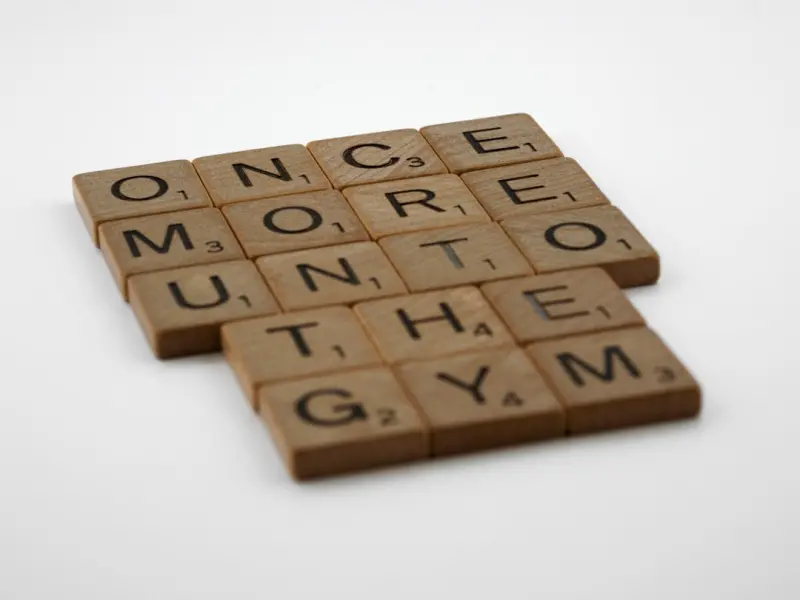
Imagine sitting at your desk for eight straight hours, eyes glued to a screen, fingers flying over a keyboard, and the world outside your window fading into a blur. Your body is a high‑performance machine, yet you’re treating it like a parked car—engine off, wheels locked. The damage isn’t just in the back or the neck; it’s hidden in the micro‑circuits of metabolism, hormone balance, and neural firing patterns. The solution isn’t a marathon gym session or a pricey standing‑desk conversion; it’s something far smaller, far more frequent, and far more sustainable: micro‑movements.
The Science of Tiny Bursts
Micro‑movements are deliberate, short‑duration actions—think a 30‑second calf raise, a 45‑second shoulder roll, or a quick desk‑push‑up. Research in occupational health shows that even brief bouts of muscle activation can counteract the postural fatigue that builds up over hours of static sitting. When you contract a muscle, you stimulate muscle‑pump circulation, encouraging venous return and delivering fresh oxygen to peripheral tissues. This, in turn, reduces the accumulation of metabolic by‑products like lactate, which are linked to fatigue and reduced cognitive performance.
Beyond circulation, micro‑movements trigger a cascade of hormonal responses. The brief spikes in adrenaline and noradrenaline sharpen focus, while the subsequent release of endorphins provides a subtle mood lift. A 2019 study in the Journal of Applied Physiology found that participants who performed 60‑second movement breaks every hour reported a 12% increase in perceived energy levels and a 9% improvement in task accuracy.
Why “Micro” Beats “Macro” for Desk‑Bound Professionals
Traditional advice often champions “30‑minute cardio” or “hour‑long yoga.” Those are powerful tools, but they clash with the reality of modern work schedules. Micro‑movements have three distinct advantages:
- Time efficiency: A 30‑second break is easier to schedule than a 30‑minute slot.
- Reduced disruption: Short bursts keep momentum in the workflow, preventing the “restart penalty” that comes after long pauses.
- Scalable impact: Performing a movement every 20‑30 minutes compounds to 8–12 minutes of activity per day—enough to improve insulin sensitivity and lower LDL cholesterol according to recent metabolic studies.
Designing Your Desk‑Friendly Micro‑Movement Routine
Start with a simple audit: note the times you naturally shift—standing up for a coffee, stretching after a call, or reaching for a file. Use those moments as anchor points. Then, layer in purposeful movements:
- Seated Leg Extensions (30 seconds): Sit tall, extend one leg straight, hold for 2 seconds, then lower. Alternate legs. This activates the quadriceps and promotes knee joint lubrication.
- Shoulder Shrugs & Rolls (45 seconds): Raise shoulders toward ears, hold briefly, then release. Follow with a forward‑then‑backward roll. This releases tension in the trapezius and improves thoracic mobility.
- Desk Push‑Ups (30 seconds): Place hands on the edge of your desk, walk feet back a comfortable distance, and perform a push‑up. This engages the chest, triceps, and core.
- Seated Torso Twists (45 seconds): Sit upright, place hands behind your head, and rotate slowly to each side, keeping the spine tall. This improves spinal articulation and stimulates the obliques.
- Calf Pumps (30 seconds): While seated, rise onto the balls of your feet, hold, then lower. This encourages venous return from the lower legs—a key factor in preventing “swelling syndrome” during long flights or meetings.
Pair each movement with a deep inhalation and a slow exhale. This synchrony amplifies oxygen delivery and reinforces a calm, focused state.
Tech‑Assisted Consistency Without Over‑Stimulation
We live in a paradox: technology can both distract and remind. Choose a single, low‑key tool—like a simple timer app or a smartwatch vibration—to cue you every 20 minutes. Avoid apps that flood you with notifications; the goal is a gentle nudge, not a new source of stress. If you’re already using a productivity suite like AI‑driven workflow assistants, explore whether they have “break‑reminder” integrations that can be toggled on.
For those who love data, track your micro‑movement compliance in a spreadsheet. Log the date, time, and type of movement. Over a month, you’ll spot patterns—perhaps a dip after certain meetings—and can adjust your schedule accordingly.
Synergy with Other Health Hacks
Micro‑movements don’t exist in isolation. When combined with other evidence‑based practices, the health payoff multiplies:
- Cold Exposure: A quick 30‑second cold splash after a movement break can sharpen alertness. The vasoconstriction followed by vasodilation improves circulation, a natural complement to the micro‑pumps you just performed. Read more about the benefits of cold exposure here.
- Chronobiology (Body Clock Alignment): Schedule your most demanding cognitive tasks during your peak circadian window, and align your movement breaks to the natural dip points (usually mid‑morning and mid‑afternoon). This rhythm respects your internal clock and maximizes both focus and recovery. Details on optimizing the body clock are available here.
- Personalized Nutrition: If you’re fueling your body with macronutrients that support muscle function—adequate protein, electrolytes, and anti‑oxidants—your micro‑movements become more effective at stimulating metabolic pathways.
My Personal Experiment: From Skeptic to Advocate
When I first heard the term “micro‑movement,” I dismissed it as a gimmick for office yoga enthusiasts. My daily routine was already packed with a morning run, lunch‑time HIIT, and a nightly stretch routine. Adding more seemed redundant.
Then the data spoke. I set a timer for every 25 minutes, performed the five‑movement circuit, and logged my subjective energy levels on a 1‑10 scale. Within two weeks, my average score rose from a 5.2 to a 7.1. My afternoon slump vanished, and I noticed a subtle improvement in my posture—my shoulders no longer hunched after long conference calls.
Beyond the numbers, the practice forced me to pause and re‑center. In a world where multitasking is glorified, those 2‑minute islands of intentional movement became mental reset points. I caught myself breathing deeper, checking my posture, and returning to work with a clearer mind.
Common Pitfalls and How to Avoid Them
Pitfall #1: Treating Micro‑Movements as “Optional” – When you view them as a bonus, you’ll skip them during busy days. Make them a non‑negotiable agenda item, just like a meeting.
Pitfall #2: Over‑Complicating the Routine – Adding ten different exercises can feel overwhelming. Start with two, master them, then gradually expand.
Pitfall #3: Ignoring Ergonomics – Poor chair height or desk setup can make certain movements uncomfortable or even risky. Adjust your workstation so that your feet rest flat, elbows are at 90°, and your monitor is eye‑level before you begin.
Pitfall #4: Relying on Screens for Reminders – If your phone is already a source of distraction, it can defeat the purpose. Use a discreet smartwatch vibration or a mechanical timer placed out of sight.
The Future: Micro‑Movement as a Cornerstone of Corporate Wellness
Forward‑thinking companies are already embedding micro‑movement prompts into their digital ecosystems. Imagine an AI‑driven health dashboard that analyzes your calendar, identifies natural low‑energy windows, and automatically schedules a 30‑second movement break. Pair that with a smart chair that detects prolonged sitting and gently vibrates as a cue.
Such integrations will shift the cultural narrative from “take a break” to “move mindfully.” The ROI is compelling: reduced musculoskeletal complaints, lower absenteeism, and higher employee satisfaction. In an era where talent retention hinges on holistic well‑being, micro‑movement could become a differentiator for forward‑looking employers.
Practical Takeaway Checklist
- Set a timer for every 20‑30 minutes.
- Choose three foundational movements (leg extensions, shoulder rolls, calf pumps).
- Pair each movement with a deep breath.
- Log your consistency for at least two weeks.
- Combine with cold exposure or body‑clock‑aligned tasks for amplified benefits.
- Iterate: add or swap movements based on comfort and feedback.
Micro‑movements may seem modest, but they embody a powerful principle: health is the sum of tiny, consistent actions. By honoring those moments, you give your body the respect it deserves—and you keep your mind razor‑sharp for the challenges ahead.

Jimmy Anand is a content creator that gets inspired by many aspects of life, internet or whatever inspires him at that moment. When he's not online he's gaming and when he is not gaming he is online trolling discussion boards.
Related Posts
Recalibrating Your Body Clock: A Fresh Take on Circadian Health
Discover practical, science‑backed ways to sync your internal clock, boost energy, and improve ove... Read More

Reclaiming Calm: Breathwork Strategies for a Busy World
Discover how intentional breathing can reset your nervous system, enhance focus, and reduce stress, ... Read More

Micro‑Outdoor Moments: Small Nature Breaks for Big Health Gains
Micro‑outdoor moments are short, intentional interactions with nature that can be integrated into ... Read More
Top Posts

Why Employment Sabbaticals Are the Secret Weapon for Long‑Term Career Resilience
Explore the hidden benefits of employment sabbaticals, learn how to pitch them to your boss, and turn time off into a strategic career accelerator....Read More
Micro‑Movements: Tiny Exercise Hacks for a Healthier Workday
Micro‑movements—short, purposeful actions like stretches, calf pumps, and desk‑side squats—offer powerful health benefits for anyone glued to a screen. ...Read More

Creating a Multi‑Generational Outdoor Oasis: Design Tips for Every Age
Discover practical tips for building a backyard haven that grows with your family—flexible furniture, shade solutions, sustainable materials, and personalized...Read More

Mental Fitness: Conditioning Your Mind for Everyday Resilience
Learn to treat mental health like a workout regimen—incorporating micro‑habits, short movement bursts, focus drills, and recovery strategies—to build last...Read More
0 Comments
Post Comment
You will need to Login or Register to comment on this post!