
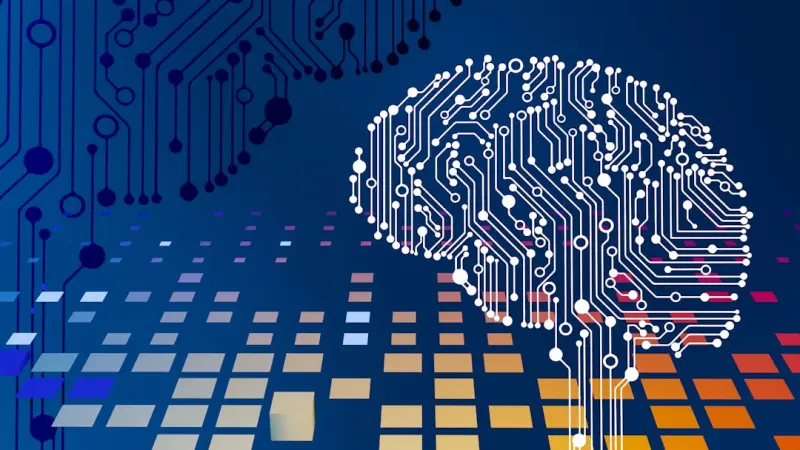
The Quiet Revolution of AI Dream Interpreters
Imagine slipping into sleep, knowing that the swirling symbols and emotions of your subconscious will be captured, analyzed, and returned to you as a roadmap for the next day. That is the promise of AI‑driven dream interpretation, a field that has leapt from speculative fiction into practical wellness tools within the past few years. By feeding nightly narratives into sophisticated language models trained on thousands of mythic, cultural, and psychological frameworks, the technology can surface patterns you never realized were guiding your waking choices. AI becomes a silent confidant, turning the fleeting language of dreams into concrete insights that feel both personal and scientifically grounded.
How the Technology Works Behind the Scenes
The engine powering these dream assistants combines natural‑language processing with neuro‑symbolic reasoning. First, you record a voice note or type a quick journal entry; the AI parses the text, identifies archetypal symbols—like water, stairs, or flying—and cross‑references them against a curated database of Jungian, cognitive‑behavioral, and cultural meanings. Next, a probabilistic model weighs each symbol’s relevance based on your personal history, which the system learns over time. The result is a layered report that blends immediate emotional tone with longer‑term trend analysis. For readers interested in how AI can already act as a personal memory curator, see AI as Your Personal Memory Curator for a deeper dive.
From Nighttime Narrative to Daily Action
One of the most compelling aspects of AI dream interpretation is its focus on actionable outcomes. Rather than offering vague, poetic musings, the platform suggests concrete steps—like scheduling a short walk to process feelings of being chased, or experimenting with a new hobby if recurring images of doors appear. These recommendations are grounded in behavioral science, ensuring that the advice aligns with proven habit‑forming techniques. In practice, users report feeling a stronger sense of agency, turning what was once an inscrutable nightly drama into a catalyst for purposeful change.
Personalization: The AI Learns Your Symbolic Language
No two dreamers speak the same symbolic dialect, and the most effective AI tools honor that individuality. As you continue to log dreams, the system builds a personalized lexicon, noting which motifs resonate most with you and how they evolve. Over weeks and months, the AI can alert you to emerging themes—perhaps a growing preoccupation with bridges that signals a desire for connection. This adaptive learning mirrors the way a trusted therapist might notice recurring narratives, yet it operates at a scale and speed that a human simply cannot match. For a glimpse into AI’s role as a learning guide, check out AI as Your Personal Learning Guide.
Ethical Guardrails and Data Privacy
Entrusting an algorithm with the most intimate corners of your mind raises legitimate privacy concerns. Reputable platforms address this by encrypting all dream logs locally on your device before any analysis occurs, and by offering opt‑out options for data sharing. Transparent policies detail how symbolic data is anonymized and aggregated for research, ensuring that personal narratives never become commodified without consent. Users should look for certifications or third‑party audits that verify these safeguards, reinforcing trust in a technology that otherwise feels almost magical.
The Science Behind Symbolic Meaning
While AI excels at pattern recognition, its interpretations are rooted in decades of psychological research. Studies have linked recurring dream imagery to stress levels, emotional regulation, and even problem‑solving abilities during waking hours. By integrating findings from neuroscience—such as the role of the default mode network in dream generation—AI can differentiate between fleeting, random fragments and meaningful, recurring motifs. This scientific backbone prevents the tool from devolving into mere horoscope‑style fluff, offering users a credible bridge between the subconscious and conscious decision‑making.
Practical Tips for Getting the Most Out of Your AI Dream Companion
- Record promptly: Capture the dream within minutes of waking to preserve detail.
- Be specific: Include sensory information—sounds, colors, emotions—to enrich analysis.
- Review regularly: Set a weekly ritual to read AI summaries and reflect on suggested actions.
- Combine with journaling: Use a traditional dream journal alongside the AI for deeper personal insight.
These habits maximize the tool’s accuracy and ensure that the insights translate into tangible growth.
Future Horizons: From Individual Insight to Collective Wisdom
As more users adopt AI dream interpreters, the aggregated data—properly anonymized—could illuminate cultural shifts in collective anxiety, hope, and aspiration. Imagine a global map of dream themes that signals emerging societal concerns before they surface in headlines. Researchers could leverage this trove to study how major events—like economic upheavals or climate anxiety—manifest in the subconscious. While this vision remains speculative, it underscores the transformative potential of merging personal introspection with large‑scale analytics.
Why You Might Want to Try an AI Dream Interpreter Today
If you’ve ever felt that your dreams were cryptic messages you couldn’t decode, the new wave of AI tools offers a practical, science‑backed solution. By turning night‑time narratives into clear, personalized guidance, you gain a fresh perspective on challenges, aspirations, and hidden emotions. The technology respects privacy, learns your unique symbolic language, and provides actionable steps that can be integrated into daily routines. In a world where self‑optimization is a constant pursuit, allowing your subconscious to join the conversation could be the missing piece in your personal growth puzzle.

Amanda is a passionate writer exploring a kaleidoscope of topics from lifestyle to travel and everything in between.
Related Posts

The Quiet Power of Ambient AI: Turning Everyday Workflows into Seamless Experiences
Ambient AI weaves intelligent assistance into the background of our work, offering timely, relevant ... Read More
How AI is Redesigning Sustainable Product Development
AI is reshaping sustainable product development by enabling data‑driven material choices, live lif... Read More

Turning AI into Your Personal Growth Ally
Learn how to turn AI into a personal growth ally by building feedback loops, protecting your data id... Read More
Top Posts
Garden Desks: The Unexpected Edge for Modern Workers
A garden desk isn’t just a piece of furniture; it’s a productivity catalyst that blends nature with work, giving you a competitive edge in today’s employm...Read More

Pet‑Friendly Home Design: Stylish Solutions for Furry Friends
Learn how to blend durability, safety, and style in every room, creating a pet‑friendly home that looks great and works for both humans and furry companions....Read More

Why Employee‑Led Innovation Labs Are the Next Competitive Frontier
Employee‑led innovation labs empower frontline staff to become internal entrepreneurs, accelerating product development, cutting costs, and boosting engagemen...Read More

Skill Badges and Micro‑Credentials: The New Currency of Employment
Skill badges and micro‑credentials are reshaping hiring. Learn how to strategically earn, showcase, and leverage them for career acceleration....Read More
0 Comments
Post Comment
You will need to Login or Register to comment on this post!