
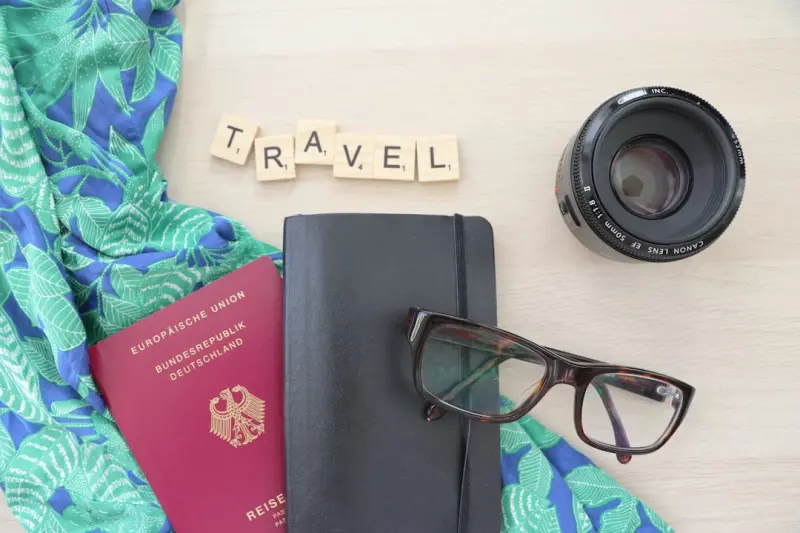
Why the Journey Matters More Than the Destination
When I step off a plane, I don’t rush to check off landmarks on a list; instead, I linger in the subtle rhythms of a new place—listening to the cadence of traffic, the cadence of market chatter, the way sunlight filters through unfamiliar architecture—to let the environment write its own story across my senses, a practice that transforms a simple trip into an unfolding narrative of self‑discovery. This mindful immersion creates a personal atlas that maps emotions, memories, and insights far richer than any tourist brochure, and it invites the traveler to become an active participant rather than a passive observer, turning each moment into a page you’ll want to reread long after the suitcases are unpacked.
In my own wanderings, I’ve learned that the most profound souvenirs are not postcards or trinkets, but the fleeting sensations that linger—like the metallic taste of rain on a cobblestone street or the echo of a distant hymn from a hidden chapel—that become invisible threads weaving together past, present, and future selves. By honoring these impressions, the traveler cultivates a habit of reflection that fuels creativity, sharpens intuition, and ultimately reshapes how we relate to the world beyond the next flight.
Crafting a Personal Travel Narrative
One technique I swear by is the “travel diary sprint,” where I set aside just ten minutes each evening to capture the day’s most vivid details in a notebook, focusing on sensory fragments, unexpected conversations, and the emotional undercurrents that defined the experience; this habit forces me to sift through the noise and preserve the essence of each encounter before it evaporates into the haze of routine. Over weeks, these snippets coalesce into a layered chronicle that reads like a novel, each entry a chapter that reveals patterns, growth, and the subtle ways the road has nudged my internal compass.
To deepen this narrative, I sometimes pair my written reflections with a simple sketch or a quick voice memo, allowing the medium to echo the mood of the moment—a hurried line for a bustling bazaar, a lingering hum for a tranquil sunrise. This multimodal approach not only enriches the storytelling but also engages different parts of the brain, making the memories more resilient and vivid, a strategy that any traveler can adopt without needing expensive equipment or formal training.
Micro‑Adventures: Finding Epic in the Everyday
While many travelers chase distant horizons, I’ve discovered that the most thrilling escapades can unfold just beyond the doorstep of routine—whether it’s a sunrise hike on a forgotten trail, a spontaneous ferry ride to a neighboring island, or a midnight stroll through an empty historic quarter that reveals hidden mosaics illuminated by streetlamps. These micro‑adventures require minimal planning but deliver a surge of novelty that recalibrates our sense of possibility, reminding us that adventure is a mindset as much as a mileage count.
By treating each day as an invitation to explore the unnoticed corners of a city, you cultivate a habit of curiosity that fuels spontaneity and reduces the reliance on elaborate itineraries; this approach also frees up time and resources, allowing you to allocate energy toward deeper connections with locals, immersive workshops, or simply savoring a quiet moment on a park bench while watching the world glide by.
Connecting Travel to Personal Growth
The act of navigating unfamiliar environments forces you to confront the unknown, which in turn sharpens problem‑solving skills, builds confidence, and uncovers hidden reservoirs of resilience—qualities that translate seamlessly into everyday challenges at work, relationships, and personal ambitions. When you return home, the lessons learned on the road—like improvising a train route after a delay or negotiating a price at a market—serve as practical metaphors for handling uncertainty with grace and creativity.
To make these lessons concrete, I often revisit my travel journal during moments of doubt, extracting specific anecdotes that illustrate how I once turned a setback into an opportunity; this reflective practice reinforces a growth mindset, turning past journeys into a personal library of strategies that can be consulted whenever life feels stagnant or overwhelming.
Integrating Community and Storytelling
One of the most rewarding ways to extend the impact of a trip is to share its stories with a community, whether through a blog post, a local meetup, or an informal conversation over coffee, creating a ripple effect that inspires others to step outside their comfort zones and see the world through a fresh lens. By framing your experiences as narratives rather than mere reports, you invite listeners to engage emotionally, sparking curiosity and perhaps even prompting them to embark on their own explorations.
In my recent posts I’ve linked insights from other areas of life to illustrate this principle—see how smart, stylish lighting hacks can illuminate a travel memory, or how soundscapes can become the soundtrack of a journey—demonstrating that the threads of travel intertwine with everyday creativity, making each adventure a catalyst for broader personal enrichment.
Practical Tips for Sustainable Storytelling
To keep your travel narratives sustainable, consider setting a modest goal of publishing one reflective piece per trip, focusing on depth rather than volume; this not only prevents burnout but also ensures each story receives the care and authenticity it deserves, resonating more powerfully with readers who crave genuine insight over polished fluff. Additionally, use tools like cloud‑based note apps that sync across devices, guaranteeing that those fleeting moments captured on a bus ride or a mountain summit are never lost to a dead battery or a misplaced notebook.
Finally, remember to revisit and revise older entries, allowing the perspective of time to add layers of meaning and context—what once seemed like a simple misstep may later reveal itself as a pivotal turning point, and acknowledging that evolution enriches both the writer’s journey and the audience’s experience, turning a single trip into an ongoing saga of discovery.

Jody Henderson is a passionate freelance writer, driven by a love for storytelling and a keen eye for detail. With a versatile skillset, she crafts compelling content across a variety of niches, from engaging blog posts to informative articles and persuasive marketing copy.
Related Posts

Finding Freedom on the Road: How a Digital Detox Transforms Travel
A digital detox isn’t just a trend—it’s a pathway to deeper, more meaningful travel. Learn why... Read More

When the Unexpected Becomes the Highlight: Embracing Travel Detours
Travel’s most memorable moments often come from surprise detours. This article explores the scienc... Read More
When Work Meets Wander: Navigating the Hybrid Business Travel Revolution
Hybrid work is redefining business travel, turning trips into purpose‑driven experiences that boos... Read More
Top Posts
The Solo Wanderer’s Guide to Turning Travel Downtime into Creative Gold
Discover how solo travelers can transform idle moments on the road into powerful creative sessions, using simple tools, intentional pauses, and minimalist packi...Read More
Cultivating Climate‑Smart Gardens: Small‑Space Strategies for a Resilient Home
Discover how to turn any balcony, yard, or rooftop into a climate‑smart garden using native plants, simple soil tricks, and smart water management—perfect f...Read More
Sketching Your Way to Calm: How Workplace Doodling Boosts Mental Health
Explore how the low‑tech habit of doodling can reset the brain, boost dopamine, and foster a culture of mental resilience, with practical tips for integrating...Read More

Nurturing Your Skin’s Invisible Allies: A Microbiome‑First Personal Care Guide
Explore a fresh approach to personal care that prioritizes the skin’s microbiome, offering practical swaps, a 30‑day challenge, and tips for eco‑friendly,...Read More
0 Comments
Post Comment
You will need to Login or Register to comment on this post!