

Why the Soundtrack of Your Journey Matters More Than the Destination
When I first booked a spontaneous train ride across the Midwest, I thought the scenery would be the star of the show. I was wrong. The real hero was the playlist humming in my earbuds, turning a bland stretch of prairie into a cinematic adventure. Since then, I’ve become obsessed with the idea that every trip—whether it’s a weekend hike or a month‑long sabbatical—has a soundtrack, and that soundtrack can be the difference between a forgettable jaunt and a story you’ll retell for years.
The Science of Sound on the Move
Our brains are wired to pair sound with memory. Psychologists call this the encoding specificity principle: when we learn something while a particular song is playing, that song becomes a cue that can instantly retrieve the associated memory. In other words, the next time you hear that track, you’ll be whisked back to the exact moment you felt the wind on your face at the cliff’s edge, or the taste of fresh‑baked croissants on a Parisian balcony.
Travelers who curate a purposeful audio environment are essentially building a mental time‑machine. Instead of relying solely on visual snapshots—photos that often fade into a sea of filtered Instagram posts—their memories are anchored to rhythm, lyrics, and tempo. That’s why you’ll find that, years later, a particular chorus can make you feel the adrenaline of a white‑water raft or the calm of a sunrise over the Sahara, even if the photos have long since been deleted.
Soundtrack Strategies for Different Travel Styles
Not all journeys are created equal, and neither are their soundtracks. Below are three common travel archetypes and the audio approaches that amplify each experience.
- Adventure‑First Explorers: High‑energy beats, fast‑paced electronic or rock tracks that match the pulse of zip‑lining, mountain biking, or navigating bustling street markets. Think drum‑filled crescendos that keep your heart rate in sync with the terrain.
- Slow‑Travel Connoisseurs: Ambient, acoustic, or world‑music selections that encourage mindfulness. These soundscapes let you savor each moment—like sipping tea in a Kyoto garden—without overwhelming the senses.
- Work‑While‑Wanderers: Minimalist instrumental or lo‑fi playlists that boost concentration without distracting. This is the sweet spot for the growing tribe of digital nomads who need to stay productive while soaking in new cultures.
Each category benefits from a deliberate choice of genre, tempo, and lyrical content. By aligning the audio to your travel intent, you turn background noise into a purposeful tool.
Crafting a Travel‑Ready Playlist: A Step‑by‑Step Guide
- Map Your Mood Map: Before you pack, jot down the emotions you want to experience on each leg of the trip—excitement, calm, curiosity. This will be your compass for song selection.
- Match Tempo to Terrain: For high‑adrenaline activities, choose tracks with 120–140 BPM (beats per minute). For reflective moments, aim for 60–80 BPM to keep your pulse low and your mind open.
- Mind the Lyrics: Songs with dense storytelling can compete with your surroundings for attention. Instrumentals or lyric‑light tracks are often better for immersive environments.
- Test the Flow: Run through your playlist on a short drive or a local walk. Does the energy rise and fall naturally? Adjust as needed to avoid abrupt mood swings.
- Backup Options: Always have a “quiet mode” playlist—ambient noise, nature sounds, or even silence—for moments when you need to listen to the world directly.
Pro tip: Use streaming services’ “offline” mode to avoid data charges, and create multiple playlists for different phases of the journey—arrival, exploration, transit, and reflection.
Sound, Space, and the Five Senses
Sound doesn’t exist in a vacuum; it interacts with sight, smell, taste, and touch. When you pair an evocative soundtrack with a five‑senses garden-like approach to travel, you’re essentially engineering a multi‑sensory immersion. Imagine walking through a lavender field while a soft, ethereal melody plays, the scent of the blossoms mingling with the music’s airy synths. Your brain registers a richer, more memorable experience because multiple sensory pathways reinforce the same narrative.
For digital nomads who often operate from co‑working spaces, this principle can be applied at a desk: light a scented candle, keep a small plant within arm’s reach, and cue a low‑key playlist that mirrors the ambient hum of the city outside. The result? A heightened sense of presence that can make even a mundane workday feel like a micro‑adventure.
When Weather Gets Frosty: Leveraging Cold Therapy and Audio
Travel isn’t always sun‑kissed. Winter trips, high‑altitude treks, or early‑morning jogs can expose you to chilly environments. Here’s where cold therapy meets sound. Cold exposure triggers a surge of norepinephrine, a hormone that sharpens focus and boosts mood. Pair that physiological kick with a high‑intensity playlist—think fast‑paced electronic beats—to amplify the energizing effect.
Conversely, if you’re aiming for a calming recovery after a cold plunge, switch to slower, resonant tones—deep cello or ambient drones. This contrast helps your nervous system transition from the “fight‑or‑flight” mode induced by the chill to a restorative state, making the whole cold‑therapy ritual feel like a spa experience rather than a test of will.
The Nomadic Productivity Paradox
While I’m steering clear of rehashing the exact themes of the art of nomadic productivity, it’s worth noting how sound can resolve a paradox many travelers face: the desire to stay productive while remaining fully present in new environments. A well‑chosen soundtrack acts as a “focus lens,” allowing you to compartmentalize work and leisure without feeling guilty about either.
For example, during a long bus ride across the Andes, I loaded a lo‑fi playlist that filtered out the clatter of fellow passengers. The steady beat gave me a mental boundary: while the music played, I was in “work mode.” Once the playlist ended, I switched to local folk songs, instantly signaling to my brain that it was time to explore the surrounding villages. This audio cue system keeps the mind from “bleeding” between contexts, preserving both productivity and the richness of travel experiences.
Travel Gear Minimalism: The One‑Item Packing Challenge
Another trend gaining traction among seasoned wanderers is the one‑item packing challenge: bring only one versatile piece of gear (often a high‑quality jacket) and let the rest of the journey be defined by improvisation. Sound, surprisingly, becomes the most lightweight “gear” you can carry. A smartphone, a pair of earbuds, and a thoughtfully curated playlist occupy virtually no physical space but deliver a profound emotional payload.
When you strip down to essentials, the soundtrack fills the void left by absent material comforts. It becomes your portable hearth, a reminder of home, and a catalyst for new memories—all without adding weight to your backpack.
Practical Tips for On‑The‑Go Audio Management
- Battery Backup: Invest in a compact power bank. A dead battery mid‑flight can turn your soundtrack into a silent void.
- Local Music Discovery: Before arriving, search for playlists that feature artists from the destination. This not only enriches the cultural immersion but also supports local musicians.
- Noise‑Cancellation vs. Ambient Awareness: Use noise‑cancelling headphones in noisy transport hubs, but switch to open‑back or regular earbuds when you want to hear the local soundscape—street musicians, market chatter, waves crashing.
- Data Management: Download playlists over Wi‑Fi before you depart. Streaming abroad can drain both data and money.
- Safety First: Keep the volume at a level where you can still be aware of your surroundings, especially in busy city streets or while navigating unfamiliar terrain.
Future of Travel Audio: AI‑Generated Soundscapes
Artificial intelligence is poised to revolutionize how we experience travel soundtracks. Imagine arriving in a new city and having an AI app generate a custom soundscape that blends ambient city noises with music matching your current activity—whether you’re strolling through a museum, waiting for a train, or enjoying a sunrise hike. These hyper‑personalized soundtracks could adapt in real‑time, responding to your heart rate (captured via a smartwatch) and the weather conditions outside.
While this technology is still emerging, early adopters are already experimenting with “mood‑matching” playlists that pull from massive music libraries based on your location and activity tags. The potential is exciting: a future where every traveler has a tailor‑made audio companion that not only entertains but also enhances physiological well‑being, mental focus, and memory retention.
Conclusion: Make Your Journey Sing
The next time you plan a trip, don’t just think about where you’ll go—think about what you’ll hear. Curate a soundtrack that aligns with your itinerary, your emotional goals, and even your health strategies like cold therapy. Use sound to stitch together the tapestry of sight, smell, taste, and touch, turning a simple travel log into a symphonic memoir.
Remember, destinations are finite, but the melodies you attach to them can echo forever. So pack light, play loud (responsibly), and let the music guide you to places you never imagined you could feel.

Brad Hays is a freelance writer known for his versatile skill set and ability to craft compelling content across a wide range of industries.
Related Posts

Listening to the Land: How Sound Shapes Unforgettable Journeys
Explore a fresh travel approach by letting local sounds guide your path, revealing hidden spots, aut... Read More

Wander with Wonder: Turning Every Trip into a Creative Adventure
Learn to transform every journey into a vivid, sensory-rich adventure—flexible planning, micro‑e... Read More
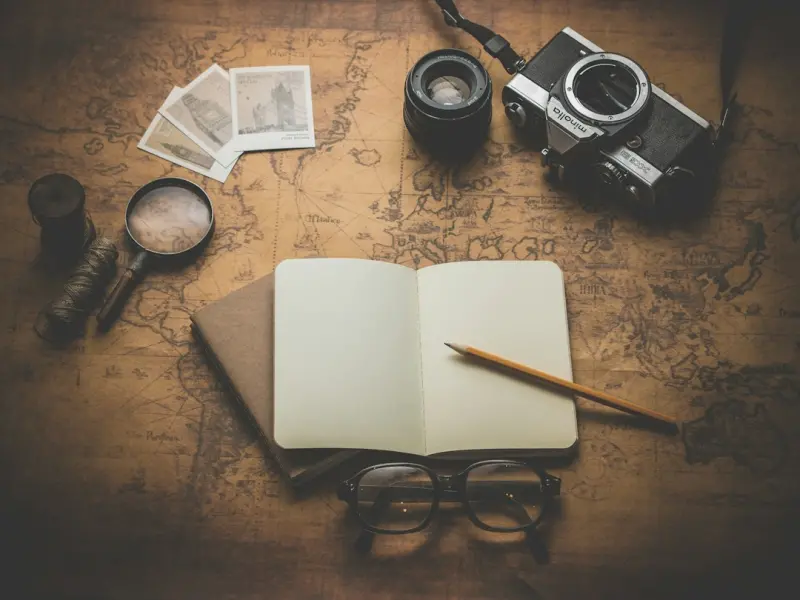
Writing Your Travel Story: Turning Trips into Personal Narratives
Travel is more than moving from point A to B; it’s an opportunity to craft a personal narrative. T... Read More
Top Posts

Why My Garden Desk Became the Heartbeat of Home Living
A garden desk can revitalize your daily routine, merging productivity with nature. Learn design tips, mental health benefits, and sustainable practices that tur...Read More

Screen Time & Skin: Uncovering the Hidden Connection and How to Reset
Explore the unseen ways screen exposure damages skin and get actionable habits—blue‑light filters, movement snacks, and a digital sunset routine—to protec...Read More

Why Traveling the Unknown Turns You Into a Better Decision‑Maker
Exploring unfamiliar places forces rapid choices, cultural decoding, and resilience, training the brain for better decision‑making and innovation back at work...Read More

How Jet Lag Can Supercharge Your Creativity and Decision‑Making
Jet lag isn’t just a hassle; it’s a brain‑reset that can spark fresh ideas. Learn how to use the temporary disorientation of crossing time zones to boost ...Read More
0 Comments
Post Comment
You will need to Login or Register to comment on this post!