
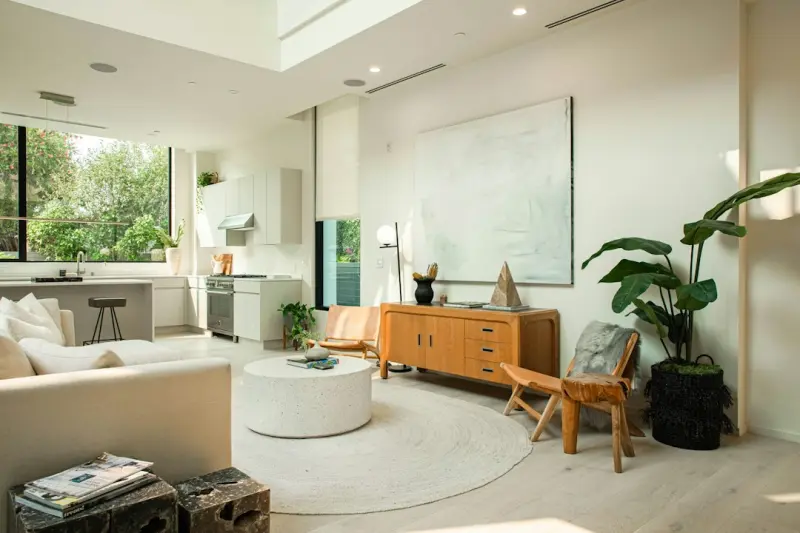
Redesign Your Home for Peak Productivity: Practical Tips You Can Implement Today
We spend a growing portion of our lives inside four walls, whether we’re juggling remote meetings, homeschooling, or simply trying to unwind after a demanding day. Yet many of us treat our homes as a default backdrop rather than a strategic tool. What if you could flip that script and turn every room—or at least the ones you spend the most time in—into a productivity‑enhancing environment? Below, I’ll walk you through a step‑by‑step approach that blends psychology, design fundamentals, and a sprinkle of tech‑savvy tricks, all without the need for a full‑blown renovation.
1. Map Your Daily Flow and Identify High‑Impact Zones
Before you start moving furniture or buying gadgets, take a moment to map out how you actually use each space. Grab a sheet of paper (or a digital note) and chart the following for the next week:
- Primary tasks: where do you write emails, attend video calls, or brainstorm ideas?
- Secondary activities: meals, reading, exercise, and relaxation.
- Interruptions: spots where household noise or foot traffic consistently breaks your focus.
This simple audit reveals hidden “productivity black holes”—areas that drain energy or cause unnecessary context switching. Once you’ve pinpointed them, you can strategically reassign functions or apply targeted fixes.
2. Leverage the Power of Natural Light
Research consistently shows that exposure to natural daylight boosts alertness, mood, and even cognitive performance. If you’re stuck in a dimly lit corner, consider these adjustments:
- Reposition work surfaces: Align desks or tables near windows to capture diffused morning light.
- Use sheer curtains: They soften glare while preserving daylight intensity.
- Mirror placement: A well‑placed mirror can bounce light deeper into a room, creating an airy feel without structural changes.
For evening work, a strategic micro‑habit—like dimming lights 30 minutes before bedtime—helps maintain circadian rhythms, making it easier to transition from focused work to restful sleep.
3. Curate a Focus‑Friendly Color Palette
Color isn’t just aesthetic; it’s a silent communicator to your brain. Here’s a quick guide to choosing hues that support concentration:
- Cool blues and greens: Promote calm and sustained attention. Ideal for home offices or study nooks.
- Soft neutrals (beige, warm gray): Provide a clean backdrop that minimizes visual clutter.
- Accent yellows or oranges: Use sparingly for creative zones, as they can stimulate ideation without overwhelming focus.
If a full paint job feels too invasive, start with accessories: throw pillows, rugs, or wall art can shift the palette subtly yet effectively.
4. Optimize Acoustic Comfort Without a Full‑Scale Soundproofing Project
Noise is a productivity killer, especially in open‑plan homes where kitchen chatter or street traffic seeps through. You don’t need to install acoustic panels; try these low‑cost interventions:
- Soft furnishings: Thick curtains, plush rugs, and upholstered furniture absorb sound.
- Bookshelves: Filled bookshelves act as natural diffusers, breaking up echo.
- White‑noise machines or playlists: A gentle background hum can mask disruptive spikes in ambient noise.
If you’re curious about how sound can enhance well‑being, our exploration of auditory design offers deeper insight into crafting an auditory environment that supports both focus and relaxation.
5. Declutter with Intent: The “One‑In‑One‑Out” Rule
Physical clutter translates directly into mental clutter. Adopt a simple but powerful habit: for every new item you bring home, let go of an existing one. This “one‑in‑one‑out” rule keeps your space from gradually filling up again. Pair this with a weekly 15‑minute “tidy sprint” where you clear surfaces, organize drawers, and reassess storage solutions.
6. Create Dedicated Zones for Distinct Activities
Even in a compact apartment, zoning can be achieved through visual cues rather than walls. Consider these tactics:
- Rug demarcation: A distinct rug can signal the transition from work to leisure.
- Lighting layers: Adjustable desk lamps for tasks, softer floor lamps for relaxation.
- Furniture arrangement: Position a small side table with a plant and a reading lamp to define a “quiet corner.”
When zones are clear, your brain receives a subconscious cue to switch modes, reducing the mental friction that often accompanies multitasking.
7. Integrate Smart Home Tech Thoughtfully
Automation doesn’t have to be complex. Here are three straightforward integrations that boost efficiency:
- Smart plugs for power scheduling: Program your desk lamp or laptop charger to turn off automatically after work hours, reinforcing boundaries.
- Voice‑controlled assistants for quick timers: Set Pomodoro intervals without breaking your flow.
- Ambient temperature sensors: Maintain an optimal 68‑72°F (20‑22°C) range, which research shows supports concentration.
For a deeper dive into how connected devices can reshape personal habits, see our piece on smart personal care.
8. Harness the Benefits of Plant Power
Plants do more than add aesthetic appeal; they improve air quality, reduce stress, and can even increase productivity by up to 15% according to several workplace studies. Choose low‑maintenance varieties like snake plants, pothos, or ZZ plants for spaces that receive indirect light.
If you have a balcony or sunny windowsill, you can expand this concept into a mini‑green oasis. Our Balcony Bounty guide explains how to grow herbs and micro‑greens that double as fresh ingredients for quick meals.
9. Tame the Visual Clutter of Digital Devices
While we’ve focused on physical spaces, the digital environment can be just as distracting. Implement these habits:
- Desktop wallpaper rotation: Use calming images that don’t compete for attention.
- Notification silencing windows: Schedule “focus blocks” where only essential alerts break through.
- Single‑tasking tabs: Keep only the tabs you need open; close the rest to avoid temptation.
10. Build a Routine That Reinforces Your New Space
All the design tricks in the world won’t stick unless they’re supported by habit. Pair each spatial tweak with a corresponding ritual:
- Morning light ritual: Open curtains, sip coffee, and spend five minutes scanning the day’s priorities.
- Pre‑meeting setup: Clear your desk, dim ambient lights, and activate a “focus playlist.”
- Evening wind‑down: Dim lights, switch to a warm lamp, and close the laptop 30 minutes before bed.
Over time, these micro‑habits become automatic cues that tell your brain, “It’s time to work,” or “It’s time to relax,” making the transition seamless.
Putting It All Together: A Sample Day in a Productivity‑Optimized Home
To illustrate how these elements synergize, imagine a typical weekday:
- 7:00 am – Light Activation: You pull open sheer curtains, letting soft morning light flood your bedroom‑office. A small plant on the windowsill greets you with a splash of green.
- 7:30 am – Focus Warm‑up: You sit at a desk positioned near the window, set a smart plug to power your desk lamp, and launch a 25‑minute Pomodoro timer via voice command.
- 9:00 am – Virtual Collaboration: With a headset, you join a video call. Your background features a neatly arranged bookshelf that dampens echo, while a subtle white‑noise track muffles hallway footfalls.
- 12:00 pm – Lunch Break Refresh: You step onto the balcony, harvest a handful of basil from your mini garden, and enjoy a quick salad. The act of moving to a distinct zone signals a mental reset.
- 2:30 pm – Deep Work Session: You switch to a cooler temperature setting via your smart thermostat, dim overhead lights, and activate a focused playlist. The calm blue accent wall helps maintain concentration.
- 5:30 pm – Evening Transition: You turn off the desk lamp with a smart plug command, dim the living‑room lights, and place a scented diffuser (with a subtle citrus note) on a side table to cue relaxation.
- 9:00 pm – Digital Unplug: You silence non‑essential notifications, close all work‑related tabs, and read a physical book under warm lighting, allowing your brain to wind down naturally.
Notice how each environmental cue aligns with a specific habit, reinforcing the desired mental state without requiring willpower alone.
Final Thoughts: Small Adjustments, Big Returns
Transforming your home into a productivity powerhouse isn’t about buying the latest ergonomic chair or installing a high‑end sound system. It’s about intentional, data‑informed tweaks that respect how your brain processes light, sound, color, and clutter. By mapping your flow, leveraging natural elements, integrating modest tech, and embedding micro‑habits, you create a living space that works for you—day in, day out.
Start with one or two changes this week, observe the impact, and iterate. The cumulative effect of these small adjustments will soon feel like a full‑scale redesign, but with far less cost, effort, and disruption.

David Moore is a freelance writer specializing in two dynamic and ever-evolving fields: gambling and the tech industry. With a keen eye for detail and a knack for unraveling complex topics, David delivers insightful and engaging content that keeps readers informed and entertained.
Related Posts

Revamp Your Home with Low‑Effort, High‑Impact Tweaks
Learn how small, strategic changes—like smarter lighting, sound management, multi‑functional zon... Read More
Transform Your Hallway into a Health‑Boosting Hub
Turn your often‑ignored hallway into a wellness corridor with lighting, scent, movement cues, and ... Read More
Hidden Storage Hacks for Small Homes
Learn practical, low‑cost hidden storage solutions that turn every nook into functional space, hel... Read More
Top Posts

Mastering Salary Negotiation in a Tight Job Market
A step‑by‑step guide to mastering salary negotiation, from market research to leveraging your personal brand, ensuring you earn what you’re worth....Read More

AI as a Thought Partner: Elevating Business Writing and Idea Generation
Discover the power of AI as a thought partner that amplifies business writing, accelerates ideation, and uncovers hidden blind spots, turning routine content cr...Read More
Smart Home Hygiene: A Busy Person’s Guide to Keeping Devices Safe and Efficient
A practical guide for busy households that outlines daily, weekly, and monthly habits to maintain smart home devices, boost performance, improve security, and r...Read More

From My Garden Desk: Jimmy Damon’s Vision for the Future of Employment
Jimmy Damon reveals why turning your garden into a home office boosts productivity, mental health, and aligns with emerging employment trends. Discover practica...Read More
0 Comments
Post Comment
You will need to Login or Register to comment on this post!