
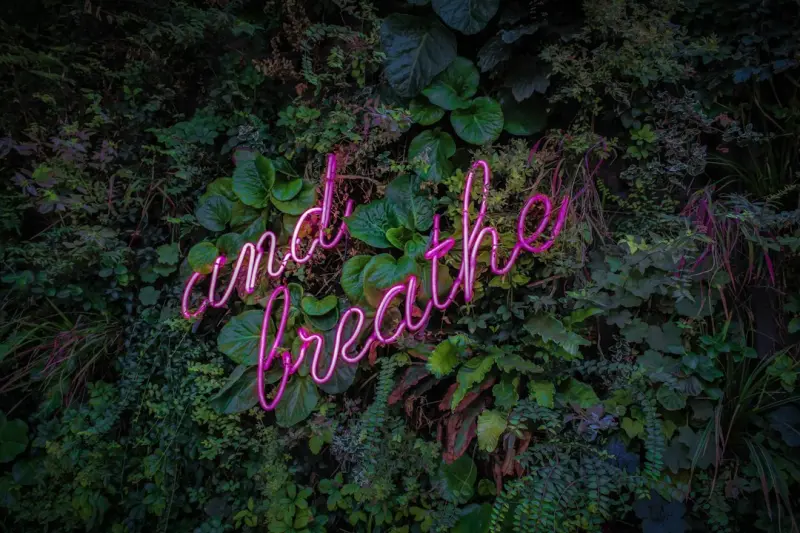
When my inbox pings at 8 am, my calendar is already packed, and the next coffee break feels like a distant oasis, I reach for the one tool that never runs out of charge: my breath. It’s the original “app” we all carry—no updates, no battery anxiety, just an ever‑present rhythm that can be tuned to shift our nervous system, sharpen focus, and even lift mood. In this post I’ll walk you through why breath matters, the science that backs it up, and a handful of practical techniques you can weave into even the busiest workday.
Why Breath Is the Underrated Health Lever
Most of us think of breathing as an automatic, background process—something we don’t have to think about because the brainstem handles it. That’s true, but the same brainstem also houses the autonomic nervous system, which governs our fight‑or‑flight and rest‑and‑digest responses. By deliberately adjusting the pace, depth, and pattern of our breaths, we can send a clear signal to this system, nudging it toward calm or alertness on cue.
Research in psychophysiology shows that slow, diaphragmatic breathing (≈ 5‑6 breaths per minute) can:
- Increase vagal tone, a marker of parasympathetic activity that supports digestion, heart‑rate variability, and emotional regulation.
- Lower cortisol levels within minutes, reducing the biochemical cascade that fuels anxiety.
- Boost the release of neurotransmitters like GABA and serotonin, which are linked to feelings of well‑being.
In short, breath is a direct line to the part of our nervous system that most other health hacks can only influence indirectly.
The Science of Breath: From Diaphragm to DNA
When you inhale deeply into the diaphragm, the lungs expand, creating negative pressure that pulls blood toward the heart. This surge of venous return improves cardiac output and oxygen delivery to the brain. Simultaneously, the stretch receptors in the lungs fire, sending signals via the vagus nerve that tell the brain “we’re safe, we can relax.”
Conversely, rapid shallow breathing—common when we’re stressed—activates the sympathetic branch, spiking adrenaline and narrowing blood vessels. Over time, chronic shallow breathing can contribute to hypertension, digestive issues, and even altered gene expression related to inflammation.
What’s fascinating is that even brief breathwork sessions (as short as three minutes) can reset these pathways. A 2017 study in Frontiers in Human Neuroscience found that participants who practiced a 4‑7‑8 breathing pattern for two weeks showed measurable improvements in heart‑rate variability—a gold standard for stress resilience.
Five Breath Techniques You Can Start Right Now
Below are five evidence‑backed practices that take less than five minutes each. Feel free to mix, match, and adapt them to your schedule.
1. Box Breathing (Square Breath)
Popularized by special‑operations forces, box breathing is simple:
- Inhale through the nose for a count of four.
- Hold the breath for four.
- Exhale through the mouth for four.
- Hold again for four.
Repeat four to six cycles. The equal lengths create a “box” that steadies the nervous system and improves focus—great before a presentation or a high‑stakes meeting.
2. 4‑7‑8 Rhythm (Relaxing Breath)
Developed by Dr. Andrew Weil, this technique mimics the body’s natural relaxation response:
- Inhale quietly through the nose for a count of four.
- Hold the breath for a count of seven.
- Exhale completely through the mouth for a count of eight.
Do this three times when you feel tension building. The extended exhale activates the parasympathetic system, lowering heart rate and easing anxiety.
3. Diaphragmatic Breathing (Belly Breath)
Place one hand on your chest and the other on your abdomen. Breathe in through the nose, directing air so the hand on your belly rises while the chest stays relatively still. Exhale slowly through pursed lips. Aim for six to eight breaths per minute. This is the foundation for the other techniques and works wonders when you’re seated at a desk for long stretches.
4. Alternate Nostril Breathing (Nadi Shodhana)
This yogic practice balances the left and right brain hemispheres:
- Close the right nostril with your thumb and inhale through the left.
- Close the left nostril with your ring finger, release the right, and exhale through the right.
- Inhale through the right, then switch and exhale left.
Repeat five to ten cycles. It’s a favorite for clearing mental fog before tackling complex problems.
5. Breath‑Sync Stretching
Pair a simple stretch with breath: raise your arms overhead as you inhale, then fold forward, releasing tension as you exhale. This coupling integrates the musculoskeletal and respiratory systems, fostering a holistic sense of release.
Integrating Breathwork into a Busy Day
Now that you have the toolbox, the next challenge is making it stick. Here are three integration strategies that respect a packed agenda.
Micro‑Sessions at Transition Points
Every time you transition—walking to a meeting, waiting for a Zoom to load, or standing in line—take a “tiny cognitive pause” and pair it with a brief breath pattern. For instance, while waiting for your screen share, try a single 4‑7‑8 cycle. Over the course of a day, these micro‑sessions accumulate into a substantial stress‑reduction buffer. (You can read more about the power of these pauses tiny cognitive pauses.)
Pair Breath with Existing Wellness Habits
If you already practice cold therapy at work, add a breath component. After a quick cold splash, sit upright, close your eyes, and perform three rounds of box breathing. The cold shock stimulates sympathetic arousal; the breathwork immediately follows with a parasympathetic counterbalance, leaving you refreshed rather than frazzled.
Schedule “Breath Breaks” Like Calendar Events
Block out a 5‑minute slot on your calendar—treat it as non‑negotiable as a client call. Set a gentle alarm with a calming tone, and use that window for a full diaphragm session or a short alternate nostril practice. Over weeks, your brain begins to associate that time slot with a cue for relaxation, making the habit virtually automatic.
Breathwork and the Bigger Health Picture
Breathing is rarely a solo act; it interacts with nutrition, movement, sleep, and even the environment. Here are a few ways to amplify the benefits:
- Hydration: Adequate water maintains the elasticity of lung tissue, allowing smoother diaphragmatic movement.
- Movement: Light walking or gentle yoga poses open the rib cage, making deep breaths easier.
- Lighting: Natural daylight in the morning helps set your circadian rhythm, which in turn influences the depth and pattern of your breathing.
- Mindful Eating: Taking a few breaths before each bite can improve digestion by activating the parasympathetic system.
When these elements align, the cumulative effect resembles a low‑cost, high‑impact health regimen—no pricey equipment, just consistency.
Common Pitfalls and How to Avoid Them
Even the best intentions can hit snags. Below are frequent missteps and quick fixes.
Over‑Breathing (Hyperventilation)
Trying to “breathe more” can lead to excessive CO₂ loss, causing light‑headedness. Stick to slow, controlled breaths; if you feel tingling, pause and return to natural breathing.
Forgetting the Diaphragm
Many people mistakenly focus on chest expansion. Place a hand on your belly to ensure the rise is coming from the diaphragm, not the upper chest.
Rushing the Technique
It’s tempting to zip through a pattern during a hectic moment, but the benefits stem from intentional, measured pacing. If you’re pressed for time, opt for a single 4‑7‑8 cycle rather than a hurried half‑minute sprint.
Measuring Your Progress
While breathwork feels subjective, you can track objective markers:
- Heart‑Rate Variability (HRV): Many wearables now display HRV, a direct indicator of autonomic balance.
- Perceived Stress Scale (PSS): A quick weekly self‑assessment can reveal trends.
- Sleep Quality: Notice if you fall asleep faster or wake less often after a week of consistent practice.
Journaling these metrics alongside a brief note about your breathwork routine can provide insight into what patterns work best for you.
Conclusion: Make Breath Your Everyday Superpower
In a world that constantly pushes us to do more, the simplest act of slowing down can be the most potent lever for health. Breath isn’t just a life‑supporting function; it’s a dynamic, trainable skill that can lower stress, sharpen cognition, and enhance overall vitality. By embedding micro‑breath sessions into transition moments, pairing them with existing wellness rituals like cold therapy at work, and treating them as scheduled appointments, you create a sustainable habit that scales with the demands of modern professional life.
So the next time your inbox pings, take a pause, inhale for four, hold, and exhale for eight. Your body, brain, and bottom line will thank you.

Lauren Miller is a true outdoors enthusiast who has found her passion in the trades. When she's not working hard on the job, you can find her writing, camping, fishing, and exploring all that nature has to offer. A dedicated partner to her wife Beth, Lauren loves nothing more than spending quality time together and experiencing the great outdoors side by side.
Related Posts

Tiny Moves, Big Impact: Reimagining Everyday Activity for Health
Steph Sanderson shares practical ways to integrate micro‑movements into daily life, explaining the... Read More

Movement Snacks: Tiny Exercise Bursts That Supercharge Health and Productivity
Movement Snacks turn brief, intentional exercise bursts into powerful health tools for busy professi... Read More

Breathing New Life into Office Wellness: The Quiet Revolution
A deep dive into the science and practical steps for integrating breathwork into daily office routin... Read More
Top Posts

How Digital Badges Are Redefining Employee Credibility
Digital badges are reshaping how professionals prove expertise. Learn to build, showcase, and leverage badge portfolios for promotions, job switches, and a stro...Read More

Light Up Your Life: Smart Lighting Secrets for a Happier Home
Smart lighting isn’t just about convenience—it shapes mood, supports wellness, and saves energy. Learn how to balance ambient, task, and accent light, integ...Read More

Crafting a Multi‑Sensory Garden That Engages All Five Senses
A guide to designing a garden that delights the eyes, ears, hands, nose, and mind, blending color, texture, soundscapes, tactile features, and aromatic plants f...Read More

From Soil to Spreadsheet: How My Garden Is Redefining the Future of Employment
Jimmy Damon shares how his garden office transforms work, boosts output, and sets a sustainable standard for the future of employment.---...Read More
0 Comments
Post Comment
You will need to Login or Register to comment on this post!