
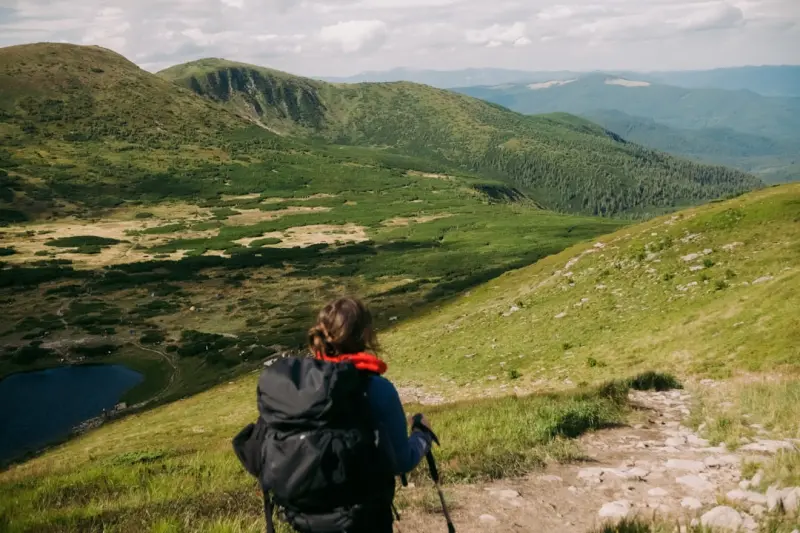
Beyond the Tourist Trail: Crafting Deep‑Dive Cultural Moments on Every Journey
When I first set out with a backpack and a vague sense of curiosity, I thought travel was all about ticking iconic landmarks off a list. The Eiffel Tower? Check. The Great Wall? Check. Over time, that checklist mindset gave way to something richer: a desire to let a place’s rhythm seep into my own. I began to ask myself not “What can I see here?” but “What can I feel, taste, and hear that lives only here, and how can I carry that back with me?”
This shift—away from surface‑level sightseeing toward genuine cultural immersion—has transformed the way I plan trips, interact with locals, and even how I return home. Below, I share the practices that have helped me turn ordinary stops into unforgettable experiences, and why they matter for any traveler who wants their journeys to linger long after the plane lands.
1. Start with a Local Rhythm, Not a Tourist Itinerary
Most travel guides are built around must‑see attractions, but the true pulse of a city beats in its daily routines. I now begin every trip by researching one mundane, everyday activity that locals cherish—whether it’s a morning market in Marrakech, a weekday tea ceremony in Kyoto, or a Sunday brunch at a community garden in Oaxaca.
- Morning markets are gold mines for conversation. Vendors love to share the story behind each spice or fruit, and the early‑hour crowds give you a glimpse of the city’s authentic hustle.
- Local transport hubs—the tram, the rickshaw, the bike‑share station—are social crossroads. Riding the same route as commuters invites spontaneous chats and uncovers hidden cafés.
- Community events such as open‑mic nights, neighborhood festivals, or even a public yoga class in a park are low‑pressure ways to mingle.
By anchoring your itinerary around a single local rhythm, you create a natural thread that weaves through the rest of your trip, turning random wanderings into purposeful discoveries.
2. Let Your Senses Lead the Way
Travel is an overload of visual stimuli—photographs, Instagram stories, postcards. I’ve learned to intentionally dial down the visual and amplify the other senses. Here’s my sensory checklist:
- Smell: Follow the aromas that drift from street stalls or bakery windows. A whiff of fresh‑baked naan in Delhi or the salty sea air of a small Greek fishing village can guide you to hidden gems.
- Taste: Skip the tourist‑centric restaurants and ask locals where they eat breakfast. A modest family‑run eatery often serves dishes you won’t find in guidebooks.
- Touch: Engage with local crafts. Whether it’s feeling the texture of a hand‑woven rug in Fez or the cool marble of a historic bathhouse in Budapest, tactile experiences anchor memories.
- Sound: Tune into the everyday soundtrack—street musicians, the call to prayer, the clatter of market stalls. These audio cues are powerful reminders when you later recall the place.
When you let scent and sound become your compass, you’re less likely to be distracted by the glossy façades that dominate tourism marketing. In fact, one of my favorite discoveries in Lisbon came after I followed the scent of roasted chestnuts down a narrow alley, leading me to a tiny, family‑run chestnut stand that’s been there for generations.
3. Build Micro‑Connections Before You Arrive
Modern technology makes it easier than ever to plant a seed of connection before you even step foot in a new city. A quick search on community forums, a friendly comment on a local Instagram post, or a message on a language‑exchange app can open doors.
When I visited Porto, I reached out to a local photographer I found on a photography subreddit. She invited me to a sunrise shoot on the riverbank—a moment that would have been impossible to arrange through any standard tour operator. The experience not only gave me a spectacular photo but also a conversation about Portuguese tile art that deepened my appreciation for the city’s visual heritage.
These micro‑connections are low‑commitment, but they often lead to invitations to private homes, family meals, or insider tips that no guidebook can provide.
4. Embrace the “Unplugged” Moments
In a world where constant connectivity feels mandatory, I deliberately schedule “unplugged” pockets each day. I turn off my phone, leave my laptop in the hotel safe, and simply observe. This quiet time lets you notice subtle details—a child’s laugh echoing off stone walls, the way sunlight dapples through a canopy of trees, the cadence of a local’s speech.
Unplugging also encourages mindfulness, which research shows can boost memory retention. In fact, a recent piece on mental micro‑resets highlighted how short, intentional pauses improve focus and emotional resilience—a perfect parallel for travelers seeking deeper engagement.
5. Use Light to Shape Your Evening Experience
Evenings are when many cities transform. Streetlights, lanterns, and the glow of diners create an atmosphere that’s impossible to capture in daylight. I’ve found that paying attention to local lighting customs can dramatically enhance the nocturnal vibe.
In Marrakech’s medina, the soft amber of oil lamps invites you to linger over mint tea. In Reykjavik, the blue‑hued streetlights reflect off snow, turning a simple walk into a magical experience. For practical tips on harnessing light to improve mood, check out this article on simple home light tricks—the principles apply just as well to street lighting when you’re abroad.
6. Leverage Aroma to Anchor Memories
Our noses are directly linked to the brain’s memory center. I often bring a tiny, refillable aroma vial on my trips, filling it with a scent that defines a place—cinnamon from a Turkish market, sea salt from a Croatian coast, or sandalwood from a Balinese temple.
When I return home, a whiff of that scent instantly transports me back, rekindling the emotions and sensations of the original moment. If you’re curious about the science behind scent‑driven productivity, the article on scent‑powered productivity offers fascinating insights that can also be applied to travel memory‑keeping.
7. Create a “Cultural Capsule” for Each Destination
Instead of a traditional travel journal, I build a “cultural capsule” for each stop—a small, tangible collection that represents the place’s essence. This might include:
- A pressed flower from a local garden.
- A handwritten recipe scribbled on a napkin.
- A ticket stub from a community theater performance.
- A miniature map drawn by a street artist.
These items become physical anchors for stories you’ll share later, and they’re far more evocative than a list of bullet‑point memories. When I open a capsule from a week‑long stay in Oaxaca, I’m instantly reminded of the laughter around a communal mezcal tasting and the rhythm of a local marimba band.
8. Practice “Reciprocal Curiosity”
Travel is a two‑way street. While you’re eager to learn about the local culture, locals are often curious about your own background. I make it a point to share a slice of my own story—perhaps a favorite childhood snack or a personal hobby. This exchange builds trust and encourages locals to open up about traditions that might otherwise remain private.
In Chiang Mai, I taught a group of students a simple English rhyme about rain. In return, they showed me how to weave a traditional silk scarf, explaining each step’s cultural significance. This reciprocal curiosity turns strangers into friends and deepens the authenticity of your experience.
9. Respect the Pace of the Place
Every destination has its own tempo. Trying to force a fast‑paced itinerary onto a laid‑back island can create tension for both you and the locals. I adopt a flexible mindset: if the community moves slowly, I slow down; if it’s bustling, I embrace the energy.
In the highlands of Peru, I discovered that the locals rise early to tend to their alpacas. By aligning my schedule with theirs—starting the day with a sunrise trek—I felt a profound connection to the land and its people, something that would have been missed if I’d stuck to a rigid, tourist‑centric schedule.
10. Document With Intent, Not Exhaustion
It’s tempting to record every moment on a smartphone, but that habit can distract from the lived experience. I limit my documentation to three intentional shots per day: one that captures a visual highlight, one that frames a sensory detail (like a close‑up of spices), and one that portrays a human interaction.
This disciplined approach ensures I’m present for the moment while still preserving meaningful memories. It also reduces the overwhelm of sifting through thousands of photos later, allowing you to focus on the stories that truly matter.
Putting It All Together: A Sample Day in Dubrovnik
To illustrate these principles, let’s walk through a day in Dubrovnik, Croatia, using the steps above.
- Morning Rhythm: I start with a local bakery’s fresh burek, joining a line of residents who chat about the day’s fishing forecast.
- Sensory Dive: The scent of sea‑salted pastries mingles with the sound of gulls. I close my eyes, letting the aroma guide me to a nearby fish market.
- Micro‑Connection: Before arriving, I sent a quick message on a Croatian travel forum asking about a hidden beach. A local responded, inviting me to a quiet cove after lunch.
- Unplugged Pause: I sit on a stone bench, phone off, simply watching the tide. The rhythm of waves syncs with my breathing.
- Evening Light: As dusk falls, I walk the city walls, noting how the lanterns cast a warm glow on the stone, creating a romantic backdrop for conversation.
- Aroma Anchor: I collect a small vial of lavender oil from a market stall, labeling it “Dubrovnik Dawn”. Later, this scent will instantly bring back the morning’s tranquility.
- Cultural Capsule: I tuck a pressed sea‑weed frond and a handwritten note about the hidden beach into a small envelope.
- Reciprocal Curiosity: Over dinner, I share a story about the New England cranberry harvest, sparking laughter and a request for a recipe exchange.
- Pace Alignment: I stay until the locals begin their evening stroll, feeling the city’s relaxed tempo before heading back to my guesthouse.
- Intentional Documentation: I capture three photos—one of the lantern‑lit wall, one of the lavender oil vial, and one of the locals laughing around the dinner table.
By the end of the day, I didn’t just see Dubrovnik; I lived it, felt it, and left with tangible pieces of its soul.
Why This Matters for Every Traveler
Travel is more than a break from routine; it’s an opportunity to expand our emotional and cultural vocabulary. When we move beyond the surface and engage with the heartbeats of places, we return home not just with souvenirs, but with a richer, more empathetic worldview.
Whether you’re a solo adventurer, a family on a multi‑generational trip, or a digital nomad seeking balance, the practices above can be adapted to fit any style. The goal isn’t to reinvent travel—it’s to reclaim its original purpose: connection, curiosity, and growth.
Next time you book a flight, consider not just the destination, but the rhythm, scent, light, and people that will shape your journey. Let those elements guide you, and you’ll discover that every corner of the world holds a story waiting to become part of yours.

In the world of freelance writing, where creativity and adaptability are paramount, Michelle Fisher stands out as a dedicated and versatile professional. With a passion for crafting compelling narratives and a keen eye for detail, Michelle has established herself as a trusted voice.
Related Posts
Remote‑Ready Adventures: Turning Work‑From‑Anywhere Into Real Exploration
Explore a fresh approach to travel that integrates work, culture, and health, offering practical fra... Read More
How Travel Journaling Turns Fleeting Moments Into Lasting Memories
Explore why a travel journal is your best travel companion, how to choose the right medium, and tips... Read More
Turning Every Trip Into a Personal Growth Lab
Discover a three‑phase model that turns any journey into a personal growth lab, complete with SMAR... Read More
Top Posts

Scent as Strategy: Leveraging Personal Fragrance for Mood, Focus, and Wellness
Explore the science behind scent’s impact on the brain, learn how to match fragrances to specific emotional goals, and integrate sustainable, tech‑enabled f...Read More

How Personal Analytics Can Accelerate Your Career Growth
Learn to turn everyday performance data into a powerful career accelerator, from building dashboards to negotiating raises with hard evidence....Read More
Cultivating Health From Your Window: The Science of Indoor Micro‑Gardening
A tiny windowsill garden can become a powerful health ally—cleaning air, providing fresh herbs, and offering mindful moments. Rose shares the science and simp...Read More
Vertical Gardens and DIY Zen: Transforming Small Backyards on a Budget
Turn a modest yard into a vibrant sanctuary using vertical planting, seasonal swaps, homemade pest repellents, and an affordable meditation nook—no pricey tec...Read More
0 Comments
Post Comment
You will need to Login or Register to comment on this post!