
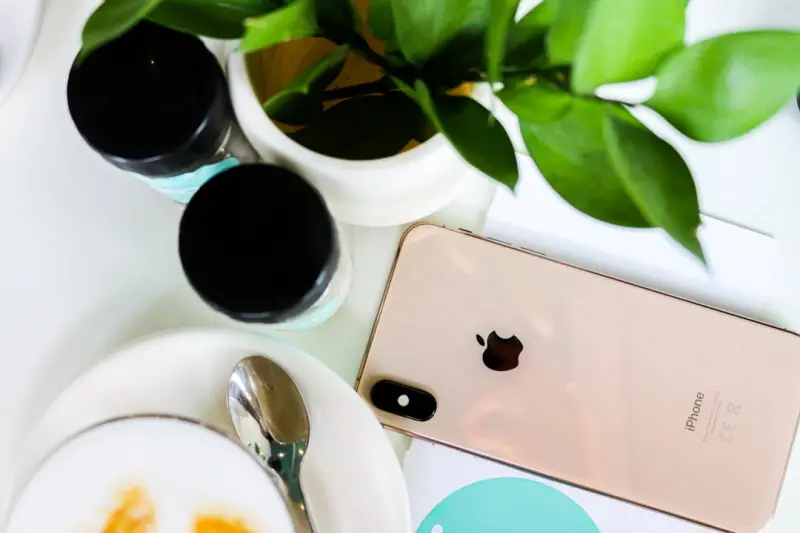
Why Your Phone Is the New Facial Mask (And How to Break the Cycle)
It started as a joke. I was scrolling through a photo‑editing app, marveling at the flawless skin of influencers, and suddenly realized I’d been looking at my own reflection in the screen for the past ten minutes. The glow of the display was the only light in the room, and my face felt the same temperature as the device—warm, slightly sticky, and oddly refreshed. The irony wasn’t lost on me: the very tool I use to research skincare was subtly reshaping my skin, mood, and even my sense of self‑worth.
Welcome to the digital detox for personal care movement. It’s not about ditching your phone for a week and emerging like a monk; it’s about recognizing that the invisible pixels we stare at all day are just as impactful as the physical products we slather on our skin. In this piece, I’ll walk you through a practical, science‑backed framework to recalibrate your digital habits, protect your skin, and restore the mental bandwidth you need to truly thrive.
The Hidden Toll of Screen Time on Your Skin
When we think about skin health, we usually default to moisturizers, serums, and sunscreen. Yet, the environment we expose our faces to includes more than UV rays and wind. Blue light—those short‑wavelength photons emitted by smartphones, tablets, and laptops—penetrates deeper than UVA/UVB and can generate reactive oxygen species (ROS) in the epidermis. In layman’s terms, that’s a fancy way of saying it accelerates oxidative stress, the same process that leads to premature aging, hyperpigmentation, and loss of elasticity.
Researchers have found that just two hours of continuous blue‑light exposure can reduce skin barrier function by up to 20 %. Add in the habit of holding your device close to your face during video calls, and you’ve got a recipe for “screen‑line” wrinkles—fine lines that appear around the eyes and mouth, mimicking the classic “smile lines” but caused by repetitive device posture.
Beyond the Screen: The Psychological Feedback Loop
Our relationship with digital devices is not purely visual. Notifications trigger dopamine spikes; endless scrolling creates a sense of “information hunger,” and the constant comparison to curated online personas fuels anxiety. When stress spikes, cortisol levels rise, and cortisol is a notorious enemy of collagen synthesis. This hormonal cascade can manifest as puffiness, broken capillaries, and a dull complexion.
In my own routine, I noticed that the days I spent the most time on social media, my skin felt “tired” even after a full night’s sleep. The culprit? A subconscious “stress‑skin” connection that many of us ignore because it’s invisible until it isn’t.
Enter the “Digital‑First Personal Care” Protocol
Below is a step‑by‑step guide I’ve refined over months of trial, error, and a few sleepless nights. Think of it as a personal‑care‑focused version of a fitness plan, but the “muscles” we’re training are our habits, our skin barrier, and our mental resilience.
- Audit Your Ambient Light: Use a blue‑light meter app (yes, it’s a thing) to measure the intensity of screens in your most frequented spaces. Aim for a lux level below 50 during evening hours.
- Set Screen‑Free Zones: Designate at least one 30‑minute block each day—preferably before bedtime—as a no‑device sanctuary. This is your skin’s “night‑time recovery” period.
- Adopt the 20‑20‑20 Rule, With a Twist: Every 20 minutes, look 20 feet away for 20 seconds, and then close your eyes for an additional 5 seconds. The extra eye‑closure reduces blink fatigue and gives the meibomian glands a chance to re‑balance.
- Upgrade Your Device Hygiene: Clean your screens with eco‑friendly cleaning hacks that are safe for both glass and skin. Bacteria on screens can migrate to your face during calls, exacerbating breakouts.
- Introduce “Blue‑Light Antioxidant” Skincare: Look for serums that contain niacinamide, vitamin C, and ceramides—ingredients proven to counteract ROS generated by blue light.
- Rewire Your Evening Ritual: Swap scrolling for a low‑tech wind‑down ritual—think a warm herbal tea, a short journal entry, or a brief meditation. For those who can’t fully disconnect, consider a blue‑light filter and dim the brightness to 30 % or lower.
Micro‑Moments of Digital Mindfulness
It’s tempting to overhaul everything in one go, but sustainable change comes from micro‑moments. Here’s how to embed bite‑sized mindful pauses throughout the day:
- Phone‑Free Breakfast: Keep your device on “Do Not Disturb” for the first 30 minutes after waking. Use the time to hydrate, apply sunscreen, and set an intention for the day.
- One‑Touch “Do Not Disturb” Zones: Most smartphones let you create a custom shortcut that silences notifications with a single tap. Place this shortcut on your lock screen for easy access.
- Screen‑Pause Reminders: Use a habit‑tracking app to prompt you every two hours to stand, stretch, and glance away from the screen for 30 seconds.
- Evening “Glow‑Down” Routine: Just as you’d cleanse your face before bed, cleanse your digital presence. Review the day’s notifications, delete the noise, and archive the useful.
How to Leverage Your Existing Personal Care Routine
If you’re already a fan of the “re‑wiring your routine” approach detailed in our previous post Rewiring Your Routine, you’re ahead of the curve. The key is to layer digital mindfulness onto the habits you already trust. For example, after applying your nightly serum, set a timer for a 5‑minute breathing exercise before you reach for your phone. The act of pairing skin care with mental care reinforces both practices.
Tech‑Assisted Personal Care: Tools That Actually Help
Not all technology is a villain. Some gadgets are designed specifically to protect and enhance personal care:
- Blue‑Light Blocking Glasses: These reduce retinal exposure by up to 90 % and have been shown to lower eye strain, which in turn can reduce overall stress levels.
- Smart Mirrors: Equipped with LED lights that adjust to the time of day, these mirrors can provide optimal illumination for makeup application while also tracking skin hydration levels.
- Wearable Skin Sensors: Emerging devices can measure skin temperature, pH, and moisture in real time, alerting you when your skin is reacting to environmental stressors—including digital ones.
When choosing tech, ask yourself two questions: “Does this device reduce my exposure to harmful wavelengths?” and “Does it add friction to my existing personal care routine?” If the answer to either is “yes,” it’s probably not worth the shelf space.
The Social Aspect: Curating a Low‑Digital Community
Personal care isn’t just a solo endeavor; it thrives in supportive environments. Consider forming a “Digital‑Detox Club” with friends or coworkers. Meet once a week (in person or via a low‑tech phone call) to share progress, swap low‑tech skincare hacks, and hold each other accountable. The social reinforcement can make the habit stick longer than any app reminder.
Measuring Success: What to Track
Quantifying the impact of reduced screen time on your skin might sound odd, but it’s surprisingly straightforward. Keep a simple log for two weeks:
| Day | Screen Hours | Skin Rating (1‑10) | Stress Level (1‑10) | Notes |
|---|---|---|---|---|
| Mon | 6 | 5 | 7 | Late night scrolling |
| Tue | 3 | 7 | 4 | Phone‑free breakfast |
After the trial, look for trends. Most readers notice a brighter complexion, fewer breakouts, and a measurable dip in perceived stress. Celebrate those wins; they’re evidence that your digital habits are as much a part of personal care as your moisturizer.
Future‑Proofing Your Personal Care Strategy
As screens become even more integrated—think AR glasses and immersive workspaces—the line between “digital” and “physical” will blur. The best preparation is a flexible mindset: regularly reassess the tools you use, stay informed about emerging research on blue light and skin health, and keep your personal care rituals adaptable.
Remember, the goal isn’t to become a hermit; it’s to become a conscientious steward of your own wellbeing. By treating your phone like a potential irritant—much like you’d treat a harsh cleanser—you empower yourself to make choices that protect your skin, mind, and overall vitality.
Take the First Step Today
Pick one of the micro‑moments above, set a reminder, and commit to it for the next seven days. Whether it’s a screen‑free breakfast or a quick screen‑cleaning session with an eco‑friendly cleaning hack, the act of intentional change will ripple through the rest of your personal care routine.
In the end, the most powerful facial mask isn’t a jar of clay—it’s the intentional pause you give yourself between notifications. Treat that pause as a non‑negotiable part of your daily regimen, and watch both your skin and your stress levels thank you.

Ryan Stuart is a seasoned freelance features writer, editor, and professional photographer with a passion for exploring the world and capturing its beauty through words and images.
Related Posts
Hybrid Work, Hybrid Self: Crafting a Personal Care Routine That Works Anywhere
Discover a practical, adaptable personal care system for the hybrid work lifestyle—quick micro‑z... Read More
Why Your Hands Deserve a Desk‑Day Makeover
A deep‑dive into why hand care is essential for remote workers, offering science‑backed micro‑... Read More
Wearable Tech Meets Personal Care: Real‑Time Self‑Optimization
Explore the integration of wearable devices into personal care, using real‑time biometric data and... Read More
Top Posts

Purposeful Home Zoning: Turn Every Room into a Lifestyle Engine
Discover a zone‑based approach to home design that aligns each space with its intended purpose, using visual cues, sound management, and nature‑infused déc...Read More

AI‑Powered Empathy: The Next Frontier in Business Relationships
Empathy AI uses sentiment analysis, voice tone, and facial cues to scale human‑centric insights across B2B SaaS. Learn practical use cases, integration steps,...Read More

Talent Marketplaces Inside Companies: Unlocking Peer‑to‑Peer Skill Exchange
A deep dive into internal talent marketplaces reveals how peer‑to‑peer skill exchange replaces static job titles, driving agility, engagement, and retention...Read More

Cultivating a Home Apothecary: The Art of Growing Medicinal Herbs Indoors
Learn to build a stylish indoor apothecary, grow medicinal herbs year‑round, and turn fresh botanicals into simple home remedies while enhancing your home’s...Read More
0 Comments
Post Comment
You will need to Login or Register to comment on this post!