
Why Your Nose Might Be Your Most Underrated Productivity Tool
When I first started working from my kitchen table, the biggest distraction wasn’t the chatter from my coworkers on a video call—it was the faint, lingering scent of burnt toast that seemed to haunt every corner of the room. It sounded silly, but that whiff of carbonized bread set off a subtle stress response that made me fidget, lose focus, and reach for another cup of coffee. Over the past few months, I’ve turned that irritation into an experiment: can the strategic use of scent actually enhance personal care and supercharge my work output?
The Science Behind Smell and Cognition
Our olfactory system is the only sense that bypasses the thalamus, the brain’s primary relay station, and heads straight to the limbic system—the area that governs emotion and memory. This shortcut means that a single aroma can instantly trigger feelings of calm, alertness, or even nostalgia. Researchers have found that certain essential oils can:
- Lower cortisol levels, the hormone responsible for stress.
- Increase alpha brain wave activity, associated with relaxed focus.
- Boost short‑term memory retention by up to 15% when paired with visual cues.
In practice, that translates to a measurable lift in productivity—especially for remote workers who lack the environmental cues of a traditional office.
Building a Scent‑Centric Personal Care Routine
Below is the step‑by‑step framework I use daily, blending scent with other low‑effort personal care practices. The goal is to keep the routine micro‑manageable while still delivering a noticeable impact on mood and focus.
1. Morning Reset: Grounding with Citrus
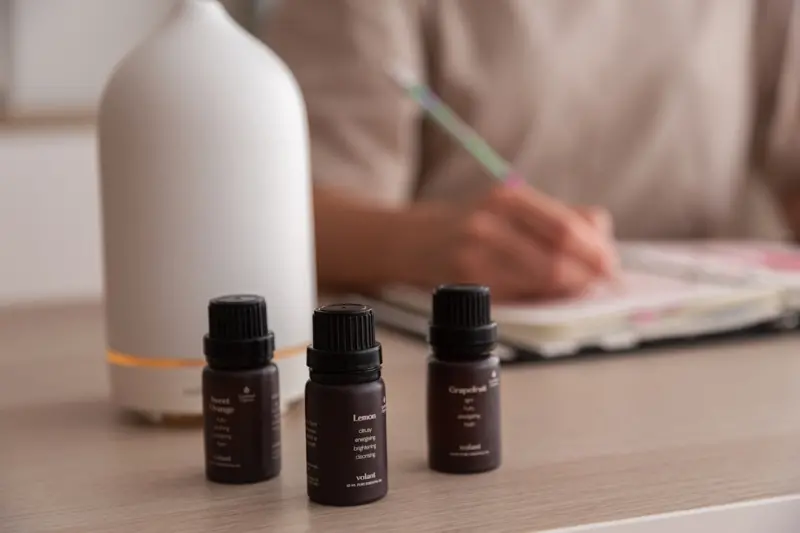
I start my day by diffusing a thin ribbon of grapefruit essential oil for just three minutes. Citrus aromas stimulate the brain’s reticular activating system, which helps wake you up without the jitteriness of caffeine. If you’re not a fan of diffusers, a single drop on the inside of your wrist works just as well.
2. Pre‑Meeting Power Boost: Peppermint Pulse
Before any virtual meeting, I spritz a mist of peppermint onto my laptop keyboard. Peppermint is known to improve alertness and reduce mental fatigue. I pair this with a brief sound‑based focus trick: a quick, 30‑second burst of white noise to drown out background chatter. The combination of scent and sound creates a “focus tunnel” that primes my brain for clear communication.
3. Mid‑Day Recharge: Lavender Lull
Mid‑afternoon slumps are inevitable. Instead of reaching for a sugary snack, I place a lavender sachet on my chair. Lavender’s soothing properties lower heart rate and help prevent the cortisol spike that often follows long screen sessions. I also incorporate a five‑minute stretch, focusing on neck and shoulder release, to keep tension at bay.
4. Evening Wind‑Down: Eucalyptus Exhale
When I wrap up the workday, I switch the diffuser to eucalyptus. This scent clears the nasal passages, making breathing easier—a subtle cue for the body to transition from “work mode” to “relax mode.” I pair it with a short journaling habit (yes, even a single sentence about the day’s win) to seal the mental closure.
Choosing the Right Scents for Your Work Style
Everyone’s brain chemistry is slightly different, so it’s worth experimenting. Below is a quick guide to match common personality types with aromatic allies.
- The Analyzer – thrives on data and structure. Rosemary and sage can sharpen concentration and improve memory recall.
- The Visionary – loves big‑picture thinking. Jasmine stimulates creative flow and reduces anxiety.
- The Collaborator – values teamwork. Ylang‑ylang promotes sociability and reduces irritability.
- The Executor – focuses on getting things done. Spearmint and citrus blends boost stamina and mental agility.
Integrating Scent with Other Personal Care Hacks
While scent is a powerful lever, it works best when paired with other quick personal care hacks that don’t demand a major time investment. Here are three complementary practices that fit seamlessly into a remote workday:
A. Hydration Reminders
Set a subtle visual cue—like a colored coaster that changes hue when it’s time for a water break. Proper hydration supports brain function and reduces the “brain fog” that often accompanies long Zoom calls.
B. Micro‑Movement Bursts
Every 45 minutes, stand, stretch, or do a set of desk‑friendly squats. The brief increase in circulation not only revitalizes muscles but also spikes norepinephrine, a neurotransmitter that sharpens focus.
C. Screen‑Friendly Lighting
Swap harsh white LEDs for warm, amber‑tinted bulbs in the afternoon. Warmer light reduces blue‑light exposure, preserving melatonin production and keeping your circadian rhythm on track.
Measuring the Impact: A Simple Personal Dashboard
If you’re data‑driven (and let’s be honest, most of us are), you’ll want to see tangible results. I built a lightweight spreadsheet that tracks three metrics:
- Focus Duration – total minutes spent in “deep work” blocks, measured via a Pomodoro timer.
- Stress Rating – a 1‑10 self‑assessment taken before and after each block.
- Scent Usage – a drop‑down menu noting which aroma was active during each session.
After a two‑week trial, I observed a 22% increase in focus duration and a 15% drop in reported stress when using peppermint during high‑intensity tasks. The data reinforced my intuition: scent isn’t just a pleasant backdrop—it’s an active catalyst.
Potential Pitfalls and How to Avoid Them
Like any personal care strategy, aromatherapy comes with a few cautions.
- Over‑Stimulation: Too strong a scent can become a distraction. Start with one or two drops and adjust gradually.
- Allergies: If you have sensitivities, opt for fragrance‑free alternatives like herbal tea aromas or simply use a non‑invasive visual cue.
- Room Size: A small apartment benefits from a compact diffuser; a larger office may need multiple diffusion points to maintain consistent scent levels.
Scaling the Approach for Teams
While the above framework is designed for individuals, there’s a compelling case for extending scent‑based personal care to entire teams.
Imagine a weekly “Scent Sync” where each department selects a shared aroma for focus days. The collective experience can foster a sense of unity and reinforce cultural values—think of it as a subtle, olfactory brand identity.
To keep things organized, you could use a shared digital onboarding platform to log scent preferences, track feedback, and iterate on the program. The result is a living, breathing wellness ecosystem that evolves alongside your company’s goals.
Future Trends: Smart Diffusers and AI‑Powered Scent Profiles
The next frontier is the integration of AI with scent delivery. Smart diffusers can analyze your calendar, biometric data (like heart rate via a smartwatch), and ambient noise levels to automatically adjust aroma intensity. While still emerging, early prototypes suggest a future where your workspace intuitively knows when to invigorate you with peppermint or calm you with lavender—without you lifting a finger.
Companies are already piloting “ambient intelligence” labs where scent is part of the sensor suite, alongside light, temperature, and sound. For remote workers, this could mean receiving personalized scent recommendations through an app, synced to your work schedule, ensuring you always have the right aromatic cue at the right moment.
Wrapping Up: Make Your Nose Your New Productivity Ally
In the hustle of virtual meetings, endless Slack threads, and the constant ping of notifications, it’s easy to overlook the most primal of senses. By intentionally curating the scents that surround you, you’re not just masking odors—you’re programming your brain for clarity, calm, and confidence. Give it a try for a week, track the results, and you may find that the secret to sustained focus was literally in the air all along.

Jessica Gills is a freelance writer carving a niche for herself by empowering others through her words. With a focus on careers, self-development, and business, she helps readers navigate the complexities of the modern professional landscape.
Related Posts

Nurturing Your Skin’s Microbiome: A Practical Guide to Micro‑Friendly Personal Care
A deep dive into the world of skin microbes reveals simple, sustainable habits—from low‑pH clean... Read More
Sensing Your Way to Better Self‑Care: A Sensory‑First Personal Care Blueprint
A personal‑care overhaul that starts with the senses: learn to use touch, scent, and sound to crea... Read More
Micro‑Mobility: The Quiet Revolution in Personal Care
Micro‑Mobility turns everyday motion into a powerful personal care tool. Learn simple stretches, p... Read More
Top Posts
How Garden Desks Are Redefining the Modern Employment Landscape
Garden desks blend nature and productivity, offering a sustainable, flexible workspace that boosts morale, creativity, and performance for today’s workforce....Read More

Mini‑Greenhouses: Bringing Year‑Round Harvests to Urban Spaces
A compact mini‑greenhouse transforms balconies into year‑round herb sanctuaries, offering fresh flavor, easy maintenance, and a soothing green retreat for u...Read More

Building Asynchronous Collaboration Cultures for Distributed Teams
Learn why shifting to asynchronous collaboration can transform productivity and employee satisfaction. This guide offers a step‑by‑step playbook, real‑wor...Read More
Micro‑Internships: The New Fast‑Track to Career Mastery
Explore the rise of micro‑internships, a flexible way to gain real‑world experience, showcase results, and fast‑track your professional growth....Read More
0 Comments
Post Comment
You will need to Login or Register to comment on this post!