
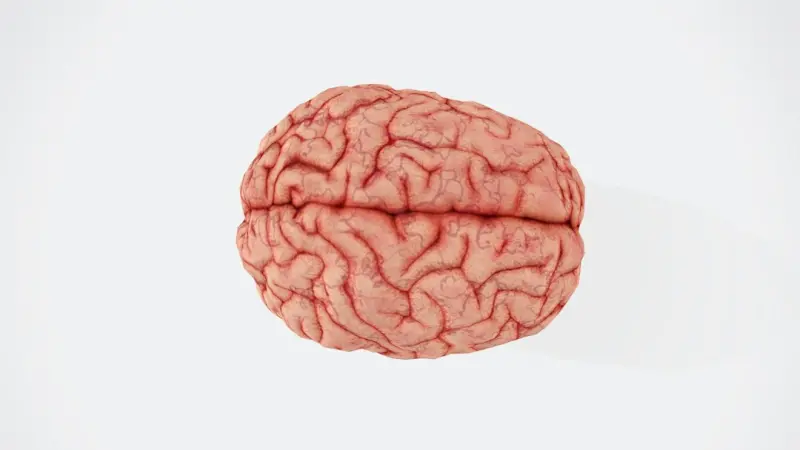
Why Your Brain Craves Unscripted Moments (and How to Give It One)
When I first noticed the frantic ping‑pong of notifications, calendar alerts, and endless to‑do lists, I thought it was just “the modern hustle.” The truth? My mind was staging a quiet rebellion. The relentless stream of input wasn’t just draining my energy; it was rewiring my brain to expect constant stimulation, leaving me perpetually on edge. The antidote isn’t a massive digital detox or a week‑long retreat—though those have their place. It’s something far more subtle: intentional, unscripted pauses that let the brain wander, recalibrate, and rebuild its neural pathways.
The Science of “Mental Space”
Neuroscience tells us that the default mode network (DMN) is the brain’s “idle mode” – the circuitry that lights up when we’re daydreaming, recalling memories, or simply staring out a window. When we force the DMN into permanent standby with non‑stop tasks, we short‑circuit the very system that fuels creativity, problem‑solving, and emotional regulation. A handful of studies reveal that just a few minutes of genuine mental downtime each hour can boost the brain’s ability to form new connections, a process called neuroplasticity. In plain English: giving your mind room to breathe actually makes you smarter.
Unscripted Moments vs. “Micro‑Rituals”
Don’t get me wrong—I love a good morning routine. A well‑crafted ritual can anchor the day and set a positive tone. But there’s a fine line between a ritual that supports you and a habit that becomes another item on the endless checklist. The key difference lies in flexibility. A ritual is repeatable; an unscripted moment is spontaneous. While a ritual tells your brain, “Here’s what to expect next,” an unscripted pause says, “Anything can happen.” That element of surprise is precisely what the DMN feeds on.
How to Carve Out Real Unscripted Time (Without Feeling Guilty)
- Set a “brain‑break” alarm. Every 90 minutes, a soft chime reminds you to stop, look away from the screen, and simply be. No phone, no notebook—just a breath.
- Adopt the “one‑minute window”. When a task is finished, give yourself a minute to stare at a blank wall, a plant, or the sky. Those seconds accumulate into a mental reset.
- Introduce “ambient curiosity” into your environment. A piece of art, a quirky desk gadget, or a small aquarium can become a catalyst for the mind to drift. When you catch yourself looking, you’re already in an unscripted state.
Plants: The Unsung Mental Health Allies
Speaking of environments, I recently discovered that a simple desk plant does more than clean the air. The act of tending to a living thing—a splash of water, a gentle leaf wipe—creates a micro‑break that’s both tactile and visual. It triggers the brain’s reward centers, releasing dopamine without the need for a screen. If you’re skeptical, check out this guide on turning your space into a mini‑ecosystem. Even a modest succulent can become a gateway to a calmer mind.
The Role of Light and Daylight
Natural light is another overlooked hero. Exposure to daylight, especially in the morning, syncs our circadian rhythms, which in turn regulates cortisol—the stress hormone. When you work near a window or take a short walk outside, you’re not just giving your eyes a break; you’re recalibrating the entire hormonal orchestra. If you can’t get to a window, consider a full‑spectrum lamp that mimics sunrise. A five‑minute “light reset” can be as powerful as a ten‑minute meditation.
Why “Skill‑Exchange” Communities Help Your Brain Unwind
Human interaction, even in brief, informal exchanges, can act as a mental palate cleanser. When you pop into a quick skill‑swap session—perhaps a five‑minute demo of a teammate’s favorite shortcut—you’re engaging different neural pathways than the ones you use for your primary tasks. This cross‑training of the brain is similar to how athletes cross‑train to prevent injury. Dive into the concept of building a skill‑exchange marketplace and you’ll see how those spontaneous knowledge drops keep the mind supple.
The “Micro‑Escape” Within Your Office
We’ve all heard about weekend getaways and nature retreats. What if I told you that a micro‑escape can happen right at your desk? The trick is to shift perspective for a few minutes: close your eyes, imagine a favorite place, or listen to a soundscape that transports you. This mental travel triggers the same brain regions as physical travel, activating the hippocampus and boosting mood. It’s not escapism; it’s a strategic reset.
Digital Tools That Respect Your Brain
Ironically, the very devices that flood us with information can also be harnessed to protect us. Apps that lock you out of distracting sites during designated “brain‑break” windows are a lifesaver. Choose tools that let you set a “focus‑free” mode without the guilt of “missing out.” When you see the time on the screen, the only thing you should be counting is the breath you’re taking.
Measuring the Impact (Even If You’re Not a Data Nerd)
If you love numbers, track three simple metrics for a week:
- Stress spikes. Note moments when your heart rate feels elevated or you feel irritability.
- Creative bursts. Jot down ideas that surface during unscripted moments.
- Productivity dips. Record how long it takes to return to a task after a break.
When you compare before and after implementing unscripted pauses, you’ll often see a drop in stress spikes, an increase in creative output, and a smoother transition back to work—meaning you’re actually getting more done with less friction.
From Theory to Habit: A 30‑Day Blueprint
Creating a new habit takes consistency. Here’s a straightforward, 30‑day plan to embed unscripted moments into your routine:
- Day 1‑7: Set a timer for a 2‑minute “mind‑wander” after every meeting. No notes, just stare.
- Day 8‑14: Add a plant to your workspace and water it daily—use this as your one‑minute window.
- Day 15‑21: Introduce a 5‑minute “light reset” after lunch, either by stepping outside or using a lamp.
- Day 22‑30: Participate in a weekly skill‑exchange micro‑session with a colleague, keeping it under ten minutes.
By the end of the month, you’ll likely notice that your brain feels less “stuck” and more eager to explore new ideas.
Final Thoughts: Embrace the Unscripted
Our modern work culture glorifies busyness, but the brain’s most powerful engine is the pause. By deliberately weaving unscripted moments into the fabric of the day—through plants, light, brief mental travels, and spontaneous knowledge swaps—we give ourselves the space to think deeper, feel calmer, and ultimately perform better. It’s not about doing less; it’s about doing smarter. So the next time you feel the urge to fill every second with activity, remember: the most valuable thing you can give your mind is a little freedom.

Steph Sanderson is a Toronto-based freelance writer and content creator with a clear passion: crafting compelling articles. With a dedication to clear, engaging prose and a knack for storytelling, Steph brings a wealth of experience to every project.
Related Posts

Narrative Healing: Using Storytelling to Strengthen Mental Well‑Being
Explore the power of personal narratives, color, sound, and community story circles to reshape anxie... Read More

Micro-Reflection: Tiny Check-Ins for Big Mental Gains
A five‑minute micro‑reflection habit can transform your mental health by providing quick emotion... Read More
Playful Reset: Using Curiosity to Defuse Modern Stress
Learn to turn everyday moments into playful resets, using curiosity, micro‑movement, and sensory t... Read More
Top Posts
Sound‑Infused Personal Care: Tuning Your Daily Routine for Wellness
A guide to enhancing your grooming and wellness rituals with purposeful sound, from morning energizers to evening calm, turning everyday personal care into a mu...Read More
Why Garden Desks Are Revolutionizing Employment in 2026
Explore the rise of garden desks, their impact on workplace productivity, health, and talent attraction, and learn how to implement this game‑changing trend i...Read More

Cultivating Career Success: How Outdoor Workspaces Are Redefining Employment
Explore the rise of garden desks, the mental‑health benefits of working outdoors, and why this trend is the secret weapon for career advancement....Read More

How Travel Turns Everyday Moments into Masterclasses in Communication
Learn to turn routine transit rides into powerful communication practice, turning ordinary moments into travel‑enhanced mastery....Read More
0 Comments
Post Comment
You will need to Login or Register to comment on this post!