
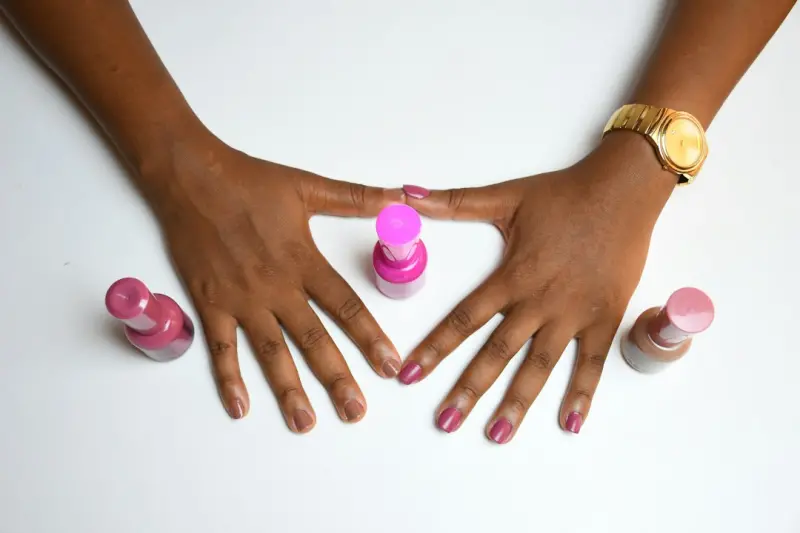
Let’s get real for a second: if you’re anything like me, the first thing you notice when you roll out of bed is the ache in your shoulders, the buzz in your ears, or the fog in your mind. Your hands? Not so much. They’re the silent workhorses of every remote professional, clicking, scrolling, typing, and occasionally waving at a screen‑bound colleague. Yet the minute you pause to think about them, you realize they’re screaming for attention. This piece is my deep‑dive into why hand care isn’t just a vanity add‑on—it’s a core pillar of personal care that can sharpen focus, stave off burnout, and even boost your career performance.
The Overlooked Toll of Keyboard‑Centric Days
When you spend eight to ten hours a day glued to a laptop, your hands endure a relentless cycle of pressure, friction, and static. The skin on your palms loses moisture, the joints stiffen, and the tiny nerves in your fingertips can become hypersensitive. Over time, the cumulative effect manifests as:
- Dry, cracked skin that makes typing feel gritty.
- Carpal tunnel symptoms—tingling, numbness, or a persistent ache.
- Reduced dexterity, leading to more typos and slower mouse movements.
- Micro‑injuries from repetitive clicks that can become chronic pain points.
Most of us accept these symptoms as “the price of productivity.” I used to be that guy, powering through meetings while my fingertips felt like sandpaper. The truth is, neglecting hand health directly undermines the very efficiency you’re striving for.
The Science of Hand Health
Dermatologists tell us that the skin on our palms lacks oil glands, meaning it can’t self‑lubricate like other parts of the body. Without external moisturization, the stratum corneum—your outermost skin layer—breaks down, leading to transepidermal water loss. In layman’s terms: your hands get dry, and they stay dry.
Meanwhile, ergonomics research highlights that the median nerve, which runs through the carpal tunnel, is highly susceptible to compression from prolonged wrist flexion. A slight deviation—like typing with a “wrist drop” posture—creates pressure points that, over weeks, inflame the sheath surrounding the nerve. The result? The dreaded “click‑click‑click” sensation that feels like a thousand tiny electric shocks.
On the mental side, tactile feedback is crucial for cognitive load management. When your fingers feel comfortable, you’re less likely to experience the subconscious stress that arises from physical discomfort. That’s why a well‑cared‑for hand can subtly improve focus and reduce the mental fatigue that builds up during marathon Zoom calls.
Micro‑Rituals You Can Start Today
Here’s where the personal‑care magic happens: simple, repeatable actions you can embed into your workday without sacrificing productivity.
- Five‑Minute Hand Hydration Break—Every two hours, pause, rub a pea‑sized amount of a fragrance‑free hand cream into your palms, fingers, and knuckles. This not only restores moisture but also triggers a mini‑mindfulness moment.
- Wrist‑Neutral Stretch Set—Place your palms together in a prayer position at chest height. Slowly lower them until you feel a gentle stretch in your wrists. Hold for 15 seconds, repeat three times. This aligns the carpal tunnel and reduces compression.
- Digital Detox Digits—Allocate the first 10 minutes of your day to “offline” finger exercises: curl and uncurl each finger, roll a stress ball, or use a finger‑strengthening rubber ring. It reactivates the small muscles that typing neglects.
- Temperature Contrast Therapy—Run your hands under cool water for 30 seconds, then under warm water for the same duration. The vascular response improves circulation, flushing out inflammatory metabolites.
- Ergonomic Re‑Assessment—Check your keyboard height and angle. Your forearms should be roughly parallel to the floor, and your wrists straight. If needed, invest in a negative‑tilt keyboard tray or a wrist rest.
These micro‑rituals are tiny, but they compound. Think of them as “hand‑care sprints”—short bursts that yield long‑term gains, much like interval training for your muscles.
Tools & Tech That Actually Help
Not every gadget lives up to the hype. Below are a few that I’ve tested and truly recommend, paired with a quick note on why they work.
- Silicone Keyboard Cover—Creates a soft barrier between your fingers and the hard keys, reducing friction and minimizing wear on the skin.
- Ergonomic Split Keyboard—Aligns your hands in a natural “hands‑apart” position, drastically decreasing ulnar deviation.
- Portable Hand Massager—A lightweight percussion device that loosens tight tendons and stimulates blood flow during a quick 2‑minute session.
- Smart Ring for Posture—While not a hand‑care device per se, a smart ring that vibrates when you hunch can indirectly protect your wrists by encouraging a more upright stance.
- Data‑Driven Personal Care—If you’re curious about leveraging analytics for your routine, check out when your mirror gets smarter. The same principles can be applied to hand health using wearable sensors that track grip strength and moisture levels.
Integrating Hand Care Into Your Workflow
All the advice in the world is useless if it doesn’t fit into your daily cadence. Here’s a pragmatic framework to weave hand care into the fabric of your remote workday:
- Kickoff Cue—Start every morning with a quick hand‑stretch while you sip your coffee. This signals to your brain that you’re about to engage in fine‑motor work.
- Meeting Milestones—Set a calendar reminder for the end of every meeting. Use the 2‑minute window to apply hand cream or do a wrist roll.
- Task‑Batch Buffer—When you batch tasks (yes, the intentional task batching method works wonders), include a 30‑second hand‑care micro‑break at the start of each batch.
- Evening Reset—Before you log off, soak your hands in warm water mixed with a few drops of lavender essential oil. This not only soothes muscles but also cues your brain to transition into relaxation mode.
By aligning hand‑care moments with natural workflow transitions—meeting ends, task switches, day wrap‑ups—you’ll never feel like you’re “adding” something extra. It becomes part of the rhythm of your work.
Connecting Hand Care to Broader Personal‑Care Strategies
If you’ve been following the blog, you know I love building habits that stack on each other. Hand care is a perfect entry point for a larger daily ritual framework. Pair a hand‑hydration break with a short gratitude journal entry, or combine a wrist stretch with a breathing exercise. The synergy amplifies the benefit of each individual action, creating a cascade of well‑being throughout the day.
Moreover, a mindful hand‑care routine can serve as a “sensory anchor.” When your fingertips feel nourished and relaxed, they become a physical reminder to stay present—a tiny, tactile meditation cue that pulls you back from the endless scroll of emails and notifications.
Closing Thoughts
In the high‑velocity world of remote work, the most valuable upgrades aren’t always the flashiest tech or the newest software stack. Sometimes, the biggest performance boost comes from caring for the body part that does the actual clicking. Your hands are the bridge between mind and digital output; treating them with respect translates to clearer thoughts, smoother workflows, and a healthier, more sustainable work rhythm.
So, the next time you reach for your coffee, take a moment to give your hands a little love. It’s a micro‑investment that pays out in macro‑productivity. Trust me—you’ll feel the difference in every keystroke, every mouse click, and every virtual handshake you make.

Jimmy Damon loves to right on a large scale of topics with all things Canadian as this Montreal die hard loves hockey. fishing and sports.
Related Posts

Cultivating a Living Skin Microbiome: DIY Probiotic Fermentation for Personal Care
Explore a fresh, sustainable approach to skincare by creating probiotic fermented serums that feed y... Read More
Simplify Your Personal Care for a Radiant Glow
A personal care routine doesn’t need to be complex. Learn how to streamline your steps, focus on t... Read More

The Zero‑Waste Sensory Ritual: Redefining Personal Care for a Sustainable Future
Explore a holistic personal care approach that blends sustainability with sight, scent, touch, sound... Read More
Top Posts
From Cubicle to Garden: Rethinking Employment in the Age of Outdoor Workspaces
Explore the rise of garden desks, their impact on productivity, and practical steps to integrate outdoor workspaces into modern employment....Read More

AI as a Creative Partner: Redefining Collaboration in the Enterprise
Artificial intelligence is evolving from a mere tool to a genuine creative partner. This post reveals how treating AI as a collaborator can accelerate ideation,...Read More
When Machines Meet Sustainability: AI’s Role in Building a Circular Future
AI is shifting from speed‑focused automation to a catalyst for sustainable innovation, enabling circular product design, greener supply chains, and ethical au...Read More

The Scent‑Driven Personal Care Revolution: How Smell Shapes Well‑Being
Discover the power of scent in personal care: from morning citrus boosts to evening lavender wind‑downs, learn practical ways to integrate aroma into your rou...Read More
0 Comments
Post Comment
You will need to Login or Register to comment on this post!