
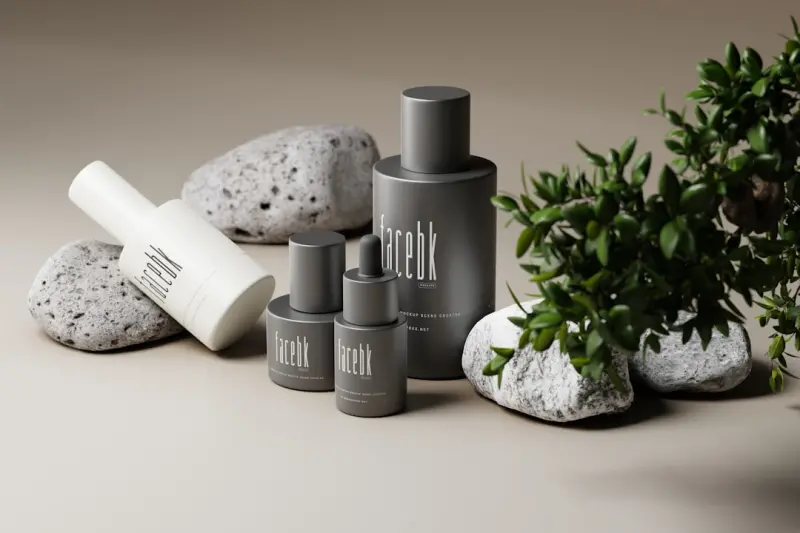
Why Personal Care Is No Longer a Routine, But a Lifestyle Upgrade
When I first started curating my morning regimen, it was a matter of convenience: a splash of cold water, a quick brush, and a dash of moisturizer. Over time, that checklist transformed into a thoughtful, data‑driven ritual that feels more like a personal‑care experience than a chore. The shift isn’t just personal—it’s cultural. Consumers are demanding products that are smarter, kinder to the planet, and tuned to the rhythms of their bodies.
The Wearable Revolution: From Step Counters to Skin Sensors
Remember the first time you strapped a fitness tracker on? It was a novelty that quickly became a habit. Today, that same wrist‑bound hardware has evolved into skin‑sensing wearables that track hydration, UV exposure, and even the microbiome balance on your cheek. These devices send real‑time alerts to your phone, suggesting when to re‑apply sunscreen or switch to a richer cream before the night‑time humidity drops.
What’s truly exciting is the integration of these wearables with smart mirrors. A mirror can now display a heat map of your face, highlighting oilier zones and recommending a specific serum. The feedback loop is instant, and it eliminates the guesswork that has plagued personal care for centuries.
Micro‑Habit Tweaks: Small Shifts with Big Returns
While gadgets are the flashy front‑liners, the real magic often lies in the subtle adjustments we make to our daily habits. Think about the way you lean over the sink while brushing your teeth. A slight forward tilt can strain the neck, leading to tension headaches later in the day. By tiny posture tweaks while you brush, you protect your cervical spine and improve blood flow to the scalp, which can even influence hair health.
Another micro‑habit: the timing of your moisturizer. Applying a lightweight gel immediately after a shower locks in moisture, but if you wait too long, the skin’s natural barrier starts to dry out. Setting a timer on your phone—just a 30‑second reminder—can turn this into a habit that your skin will thank you for.
The Power of Scent in Daily Rituals
We often think of fragrance as a luxury, a final flourish on top of a grooming routine. Yet scent can be a functional component of personal care, influencing mood, focus, and even perceived cleanliness. A subtle citrus note in a morning cleanser can energize you, while lavender in a night cream can cue relaxation.
Research shows that olfactory cues can trigger the brain’s limbic system, the hub for emotion and memory. By pairing specific scents with distinct parts of your routine, you train your mind to associate those moments with the desired emotional state. For those curious about the science behind this, exploring the power of scent in daily rituals offers a deeper dive.
Lighting the Way: How Ambient Light Affects Your Skin
Most of us adjust our lighting for aesthetics—soft lamps for a cozy dinner, bright LEDs for reading. Yet the spectrum and intensity of light also interact with our skin’s biology. Blue‑rich light, common in office spaces, can accelerate the breakdown of collagen and disrupt the skin’s natural repair cycle.
Conversely, warm, amber‑toned lighting in the evenings supports melatonin production and gives the skin a chance to focus on repair rather than defense. Incorporating custom lighting for skin wellness into your personal‑care space—think a dimmable, tunable bulb above your vanity—can make a measurable difference in skin texture over months.
Sustainable Formulations: From Plastic to Plant‑Based
Eco‑consciousness is no longer a niche market; it’s a baseline expectation. Brands are moving away from single‑use plastics toward refillable glass jars, biodegradable pumps, and even solid bar formats that eliminate packaging entirely. The rise of waterless skincare—concentrated powders that you activate with a splash of water—reduces shipping weight and carbon footprint.
Ingredient sourcing is also under the microscope. Consumers want transparency about where botanical extracts are harvested, whether farms practice regenerative agriculture, and if the supply chain respects biodiversity. When you choose a product that supports these practices, you’re investing in the health of both your skin and the planet.
Mindful Grooming: Merging Meditation with Maintenance
Mindfulness isn’t limited to yoga mats and meditation apps. You can embed brief moments of awareness into the act of washing your face or applying a serum. For example, as you massage your cleanser in, focus on the sensation of the foam against your skin, the temperature of the water, and the rhythm of your breath. This mindful grooming reduces stress hormones that can exacerbate skin conditions like eczema and acne.
Even a simple two‑minute breathing exercise before you start your night routine can lower cortisol levels, allowing the skin’s barrier to rebuild more efficiently while you sleep. It’s a low‑cost, high‑impact habit that dovetails nicely with the tech tools we discussed earlier.
Personalized Formulas: The Future of DIY Skincare
Imagine a subscription service that sends you a base serum and a set of interchangeable actives—vitamin C, niacinamide, peptides—based on your skin’s current needs. You mix them at home, guided by an app that pulls data from your wearable’s skin sensors. This model reduces waste (no more half‑used bottles) and ensures you’re always using the right ingredients for the season, your hormone cycle, or even your travel itinerary.
Several startups are already piloting this approach, offering a modular “skincare kit” that you can customize in a few clicks. The result is a truly dynamic personal‑care regimen that evolves with you, rather than a static set of products that you hope will last a year.
From Routine to Ritual: Crafting a Personal Care Sanctuary
To truly elevate personal care, consider the space you inhabit while you perform it. A cluttered counter can create mental clutter; a scented candle or a small indoor plant can signal to your brain that it’s time for self‑care. The environment becomes an extension of the routine, reinforcing the habit through visual and olfactory cues.
Here are three quick steps to transform your bathroom into a sanctuary:
- Declutter: Keep only the essentials on the counter. Store extras in a drawer or a stylish basket.
- Introduce a focal point: A bamboo mat, a decorative stone, or a piece of art that you enjoy seeing every day.
- Set a sensory tone: Light a calming incense or use a diffuser with a low‑dose essential oil blend that aligns with your mood goals.
These changes may seem subtle, but they create a psychological anchor that makes the act of grooming feel rewarding, not routine.
Putting It All Together: Your Personal Care Blueprint
Let’s synthesize the components discussed into a practical blueprint you can start using tonight:
- Assess – Use a skin‑sensing wearable to capture baseline data on hydration, oil levels, and UV exposure.
- Adjust – Modify lighting in your grooming area to warm amber tones after sunset.
- Micro‑habit – Incorporate a 30‑second posture check while brushing teeth, and set a timer for moisturizer application.
- Scent – Pair a citrus cleanser with a morning routine, and a lavender night cream for wind‑down.
- Eco‑choice – Switch to a refillable, waterless serum that you can customize with actives.
- Mindfulness – Take two deep breaths before each step, focusing on the textures and scents.
- Sanctify – Declutter, add a focal point, and introduce a calming scent in your bathroom.
By treating each element as a layer rather than a standalone fix, you create a resilient, adaptive personal‑care system that can evolve alongside your lifestyle, technology, and environmental values.
Looking Ahead: The Next Wave of Personal Care Innovation
In the coming years, expect three major trends to dominate the space:
- AI‑Driven Skin Coaching: Algorithms will analyze millions of skin profiles to recommend micro‑adjustments in real time.
- Biotech‑Based Actives: Lab‑grown peptides and microbiome‑friendly compounds will replace synthetic chemicals.
- Zero‑Waste Ecosystems: Brands will adopt circular models where product containers are returned, sterilized, and refilled automatically.
While these technologies sound futuristic, many are already in pilot phases. Staying informed and experimenting with small, low‑risk changes now will position you to reap the benefits as they become mainstream.
Personal care is no longer a peripheral task—it’s a central pillar of holistic wellbeing. By embracing wearables, mindful micro‑habits, scent, lighting, sustainability, and personalization, you’re not just cleaning your face; you’re curating an experience that nourishes body, mind, and planet.

Jody Henderson is a passionate freelance writer, driven by a love for storytelling and a keen eye for detail. With a versatile skillset, she crafts compelling content across a variety of niches, from engaging blog posts to informative articles and persuasive marketing copy.
Related Posts

Scent‑Smart Self‑Care: How AI‑Curated Aromas Are Redefining Personal Routines
Explore the emerging world of AI‑curated aromatics that adapt to your physiological cues, turning ... Read More

Micro‑Rituals: Redefining Personal Care in the Age of Distraction
Explore practical micro‑rituals—breathing, scent, movement, and tech cues—that transform brief... Read More
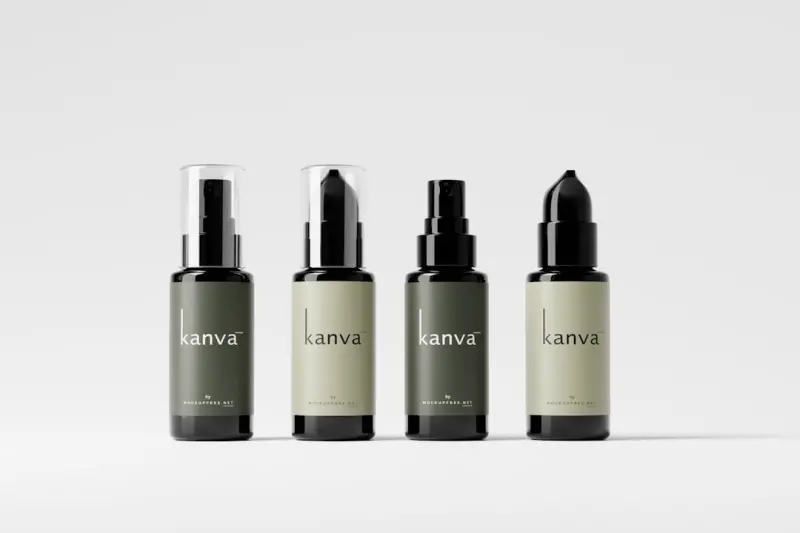
Elevate Your Daily Grooming: Tiny Rituals for Big Confidence
Learn to turn everyday grooming into a confidence‑building ritual with time‑boxed bursts, scentâ... Read More
Top Posts
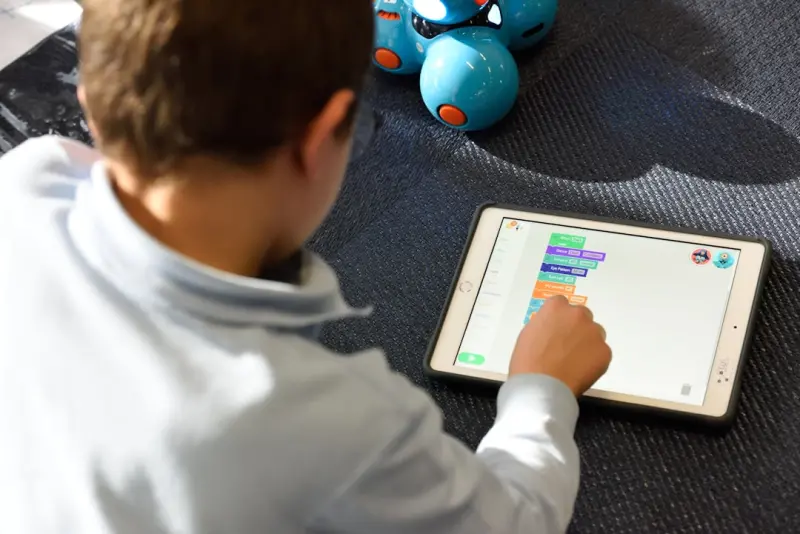
AI Mentors at Work: Turning Personalized Learning Into Everyday Dialogue
An AI mentor goes beyond static training, offering real‑time, contextual learning that adapts to each employee’s workflow, fostering continuous growth and r...Read More

How to Build a Xeriscape Oasis That Thrives With Minimal Water
Discover step‑by‑step strategies for designing a xeriscape oasis, from soil improvement and plant selection to efficient irrigation and wildlife integration...Read More

Micro‑Movements: Tiny Exercise Hacks for a Healthier Workday
Micro‑movements—short, purposeful actions like stretches, calf pumps, and desk‑side squats—offer powerful health benefits for anyone glued to a screen. ...Read More

Turn Your Backyard Into a Pollinator Powerhouse: Step‑by‑Step Blueprint
Discover a hands‑on guide to converting any backyard into a thriving pollinator sanctuary, featuring native plant picks, water‑saving tips, and low‑mainte...Read More
0 Comments
Post Comment
You will need to Login or Register to comment on this post!