
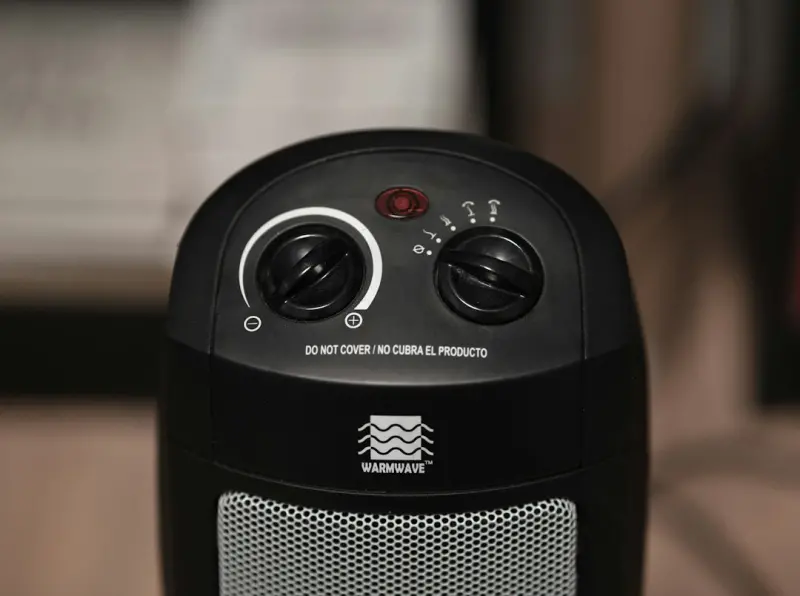
Why Temperature Matters More Than You Think
When I first heard the term “temperature therapy,” I imagined a spa‑like brochure full of vague promises about “detoxifying” and “rebalancing energy.” Fast forward a few years, and I’ve learned that temperature isn’t just a luxury—it’s a foundational pillar of personal care that can be leveraged with nothing more than a tap, a kettle, or a modest investment in a sauna. In this post, I’ll walk you through the science, the practical hacks, and the mindset shifts that turn ordinary hot‑and‑cold experiences into powerful tools for health, focus, and resilience.
The Science Behind Heat and Cold
Both heat and cold trigger distinct physiological cascades. When you step into a hot shower, blood vessels dilate, increasing circulation and delivering oxygen‑rich blood to muscles and skin. This vasodilation also helps flush out metabolic waste, reducing stiffness and supporting recovery after a long day at the desk.
Cold exposure, on the other hand, causes vasoconstriction—the opposite of dilation. The body responds by shunting blood toward vital organs, which can boost core temperature and sharpen mental alertness. The sudden shock also triggers a release of norepinephrine, a neurotransmitter linked to heightened focus, improved mood, and reduced inflammation.
What’s fascinating is that alternating between hot and cold creates a “vascular workout.” Each transition forces the circulatory system to adapt, strengthening the elastic quality of blood vessels—a subtle, yet effective, cardiovascular benefit that most people overlook in their personal care routines.
Cold Showers: The Unlikely Morning Ally
I started with a single cold burst at the end of my regular morning shower. The first 30 seconds felt like a slap, but the aftermath was undeniable: my heart rate spiked, my mind cleared, and I felt a surge of energy that no cup of coffee could match. Here’s how you can turn that brief shock into a habit:
- Start Warm, End Cold: Begin with your usual warm water to clean, then gradually lower the temperature over 10 seconds. This eases the transition and reduces the “brain freeze” sensation.
- Count to 60: Aim for a full minute of cold water. If that feels too intense, start with 30 seconds and build up. The goal is consistency, not martyrdom.
- Focus on Breath: Deep, steady breaths counter the natural gasp reflex and help you stay relaxed. Think of each exhale as a way to push the cold deeper into your cells.
Cold showers aren’t just a wake‑up call; they also support immune function. Research shows that regular cold exposure can increase the count of white blood cells, making you more resilient to seasonal illnesses—an especially valuable perk for anyone juggling remote work and back‑to‑back video calls.
Heat Sessions: From Hot Baths to Portable Saunas
If cold shocks you awake, heat soothes you into a state of relaxed focus. A 20‑minute soak in a hot tub or a session in a portable infrared sauna can do more than melt muscle tension. Heat stimulates the production of heat shock proteins, which help repair damaged proteins and protect cells from stress.
Here’s a simple heat routine you can try without a major remodel:
- Heat Up the Bathroom: Turn the shower on hot for a few minutes, then step in and let the steam fill the room. Close the door, breathe deeply, and stay for 10‑15 minutes.
- DIY Infrared Corner: Place a low‑wattage infrared lamp (the kind used for reptile habitats) near a comfortable chair. Sit for 15 minutes while you read or listen to a podcast. The gentle warmth is enough to raise skin temperature without sweating profusely.
- Contrast Baths: Alternate between a hot tub (or warm bathtub) and a cold plunge (or even a bucket of ice water). Spend three minutes in hot water, then 30 seconds in cold. Repeat three times for a mini “vascular circuit.”
Heat isn’t just about comfort; it also primes the brain for creative thinking. Studies link a modest rise in core temperature with improved divergent thinking—exactly the kind of mental flexibility you need when brainstorming product features or tackling a stubborn code bug.
Integrating Temperature Therapy Into a Personal Care Strategy
Most of us already have a personal care routine—brush teeth, shave, moisturize. The missing piece is intentional temperature modulation. Think of it as the “fourth pillar” alongside hygiene, nutrition, and movement. Here’s a framework that aligns temperature work with daily rhythms:
- Morning Activation (Cold): 5‑minute cold rinse right after you’re out of bed. This jump‑starts the sympathetic nervous system, setting a tone of alertness.
- Mid‑Day Reset (Heat): Schedule a 10‑minute warm shower or a brief sauna session during lunch. The heat relaxes tension accumulated from hours of sitting and improves circulation to the brain.
- Evening Wind‑Down (Warm + Soft Light): End the day with a warm foot soak and dim lighting. This gently lowers cortisol, signaling to your body that it’s time to prepare for sleep.
If you’re skeptical about carving out these minutes, remember that personal care can be a strategic edge. Small, deliberate adjustments compound over weeks, leading to measurable gains in focus, stamina, and overall wellbeing.
Temperature Therapy for Remote Workers
Working from home has blurred the lines between “work” and “life,” often leaving us stuck in a static environment—usually a room at a constant temperature. This monotony can sap energy and make mental fatigue creep in unnoticed. By intentionally varying temperature, you create micro‑breaks that reset your nervous system without breaking workflow.
Try the “desk‑to‑shower” switch: after a 90‑minute focus sprint, walk to the bathroom, turn the water to a lukewarm setting for a minute, then dip to a cooler setting for 30 seconds. The brief temperature shift signals your brain that it’s time for a mental reset, much like a quick walk does, but with the added benefit of increased circulation.
Another low‑effort hack is the ice‑cube hand dip. Keep a small bowl of ice water on your desk. When you feel a slump, submerge your hands for 20 seconds. The cold stimulates the vagus nerve, promoting calm and improving heart‑rate variability (HRV)—a key metric of stress resilience.
Tools, Gadgets, and Low‑Cost Alternatives
If you’re a tech‑savvy personal care enthusiast, you might be tempted to splurge on high‑end devices. While a premium sauna can be a fantastic addition, you don’t need to break the bank to reap benefits:
- Cold Packs: Gel packs from the pharmacy can double as localized cold therapy for sore joints or post‑workout recovery.
- Heat Pads: Electric heating pads, especially those with adjustable temperature controls, are perfect for targeted heat sessions.
- Smart Thermostats: Sync your home’s heating system with a schedule that aligns with your temperature therapy plan, ensuring the environment is ready when you need it.
- Wearable Temperature Sensors: Devices that track skin temperature can provide data-driven feedback, helping you fine‑tune the duration and intensity of each session.
For those who love data, pairing a self‑massage routine with temperature work creates a holistic feedback loop. Warmth loosens fascia, making massage strokes more effective; conversely, a post‑massage cold splash can reduce any lingering inflammation.
Potential Pitfalls and How to Avoid Them
Like any personal care practice, temperature therapy has its caveats. Overexposure to extreme heat can lead to dehydration, while prolonged cold exposure may cause vasoconstriction that’s too intense for people with cardiovascular issues. Here are some safety tips:
- Start Small: Begin with short intervals—30 seconds of cold, 5 minutes of heat—and gradually increase as your tolerance builds.
- Hydrate: Drink a glass of water before and after heat sessions to support sweating and circulation.
- Listen to Your Body: If you feel dizziness, tingling, or excessive shivering, stop immediately and warm up gently.
- Consult a Professional: Those with hypertension, Raynaud’s disease, or other circulatory conditions should discuss temperature therapy with a healthcare provider.
The Psychological Edge: Building Resilience Through Discomfort
One of the less obvious benefits of temperature therapy is the mental fortitude you develop by willingly stepping into discomfort. Each deliberate cold plunge or heat soak becomes a micro‑challenge that reinforces your ability to tolerate stress—a skill that translates directly to high‑pressure work situations.
In my own experience, the habit of taking a cold shower before a big client pitch has become a ritual that signals my brain, “I’m ready for this.” The physiological arousal primes me to perform, while the knowledge that I’ve already faced a controlled stressor lowers the perceived threat of the upcoming challenge.
Connecting Temperature Therapy with the Broader Personal Care Landscape
While this article zeroes in on temperature, it’s worth acknowledging how it intertwines with other personal care dimensions. For instance, scent and color can amplify the calming effects of a warm soak, while a well‑timed cold rinse can heighten the alertness brought on by bright morning light. Think of each modality as a note in a symphony—when played together, they create a richer, more harmonious experience.
By positioning temperature therapy as a core component of a well‑rounded personal care regimen, you unlock a flexible, evidence‑based approach that can be tailored to any lifestyle, budget, or schedule. Whether you’re a busy executive, a remote developer, or a parent juggling school drop‑offs, a few minutes of intentional heat or cold can reset your nervous system, sharpen your mind, and reinforce the habit of intentional self‑care.
Getting Started: A 7‑Day Challenge
To make this concrete, here’s a simple challenge you can try. Each day, pick one of the following actions and stick to it for seven consecutive days. Track your energy levels, mood, and focus in a journal to notice subtle shifts.
- Day 1‑2: 30‑second cold splash at the end of your morning shower.
- Day 3‑4: 10‑minute warm foot soak before dinner.
- Day 5‑6: Alternate hot and cold water on your forearms for 3 minutes total.
- Day 7: Combine a 5‑minute cold rinse with a 5‑minute meditation session.
At the end of the week, reflect on any changes in productivity, sleep quality, or overall wellbeing. You’ll likely discover that the simple act of adjusting temperature has a ripple effect across the day’s performance.
Conclusion: Make Temperature Your Personal Care Ally
In a world where personal care trends come and go—think crystal-infused water or “skin‑first” makeup—temperature remains a timeless, scientifically backed tool that anyone can harness. It doesn’t require a subscription, a fancy label, or a massive time commitment. All it takes is a willingness to feel a little uncomfortable, a few minutes of consistency, and a curiosity about how heat and cold can reshape your daily experience.
So the next time you reach for the thermostat, ask yourself: am I just adjusting the room, or am I actively investing in my own performance and resilience? By treating temperature as a deliberate part of your personal care routine, you turn an everyday variable into a strategic advantage—one that fuels both body and mind.

Dale Peterson is a freelance writer with a passion for technology, travel, law and personal finance. With 10 years of experience crafting compelling and informative content, he's dedicated to delivering high-quality writing for Blogging Fusion that engages audiences and achieves specific goals.
Related Posts

The Soundtrack to Glowing Skin: How Auditory Care Transforms Your Routine
Explore the power of sound in personal care. Learn easy audio hacks to calm the mind, enhance skin h... Read More
The Art of Fragrance Layering: Turning Everyday Routines into Sensory Journeys
Fragrance layering turns routine personal care into a curated scent journey, using base, mid, and to... Read More
Crafting a Personal Care Sanctuary: Rituals That Anchor Your Day
A practical guide to creating a personal care sanctuary that blends intentional lighting, texture, a... Read More
Top Posts

Mental Hygiene: Treat Your Mind Like a Clean House
Learn how to treat your mind like a clean house with the four pillars of mental hygiene—cognitive decluttering, emotional sanitization, social micro‑cleanin...Read More

Crafting a Sensory Garden: A Hands‑On Guide to Engaging All Five Senses
Turn your yard into a multi‑sensory oasis with this step‑by‑step guide—learn plant picks, texture tricks, aromatic herbs, and sound‑making elements fo...Read More
Elevate Your Self‑Care: The Unexpected Benefits of Facial Yoga
Explore the science, routine, and eco‑friendly tips behind facial yoga, a powerful yet simple addition to any personal care regimen....Read More

Tiny Wellness Nooks: Boosting Home Harmony One Corner at a Time
Learn to turn overlooked corners of your home into purposeful wellness nooks, using easy DIY projects, sensory elements, and habit‑forming tips to boost every...Read More
0 Comments
Post Comment
You will need to Login or Register to comment on this post!