
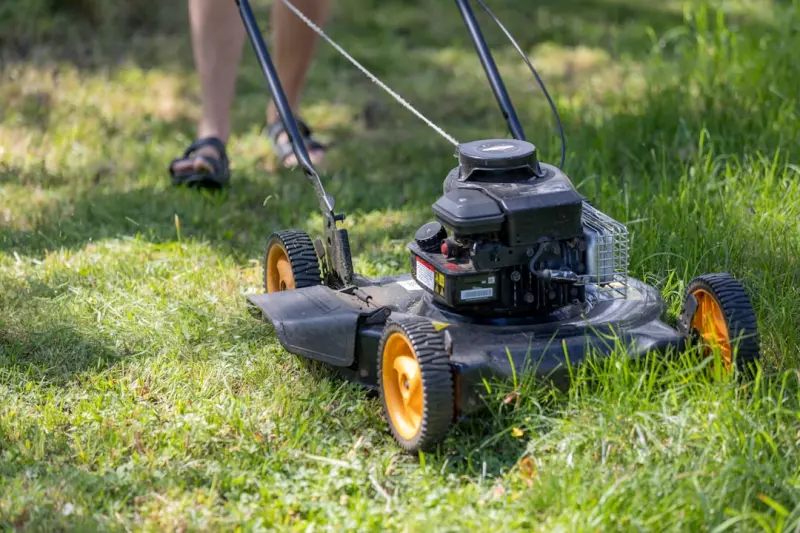
Rethinking the Lawn: The No‑Mow Revolution for Modern Homeowners
For decades, the perfectly manicured green carpet has been the yard’s holy grail. Yet, the time, water, and carbon cost of maintaining a traditional lawn have become increasingly untenable. As climate concerns sharpen and lifestyle priorities shift, more homeowners are swapping the endless push‑mower routine for a no‑mow lawn—a resilient, eco‑friendly groundcover that stays green (or beautifully variegated) all year without the need for regular mowing. This article dives deep into the why, what, and how of this movement, offering a step‑by‑step guide that blends horticultural science with practical design.
Why Traditional Grass Is Losing Its Appeal
Traditional turfgrass demands a trifecta of resources: frequent mowing, abundant water, and periodic fertilization. In many regions, especially those facing drought or water restrictions, maintaining a lush lawn can consume upwards of 30 % of a household’s outdoor water usage. Moreover, gasoline‑powered mowers emit pollutants that contribute to urban smog, while the production of synthetic fertilizers adds to greenhouse‑gas emissions. Beyond the environmental toll, the financial burden is palpable—homeowners spend an average of $700–$1,200 annually on lawn care services, equipment, and chemicals. As sustainability becomes a cornerstone of modern living, the question isn’t “Can I afford a lawn?” but rather “Can I afford not to rethink it?”
Defining the No‑Mow Lawn
A no‑mow lawn isn’t a barren patch of soil; it’s a curated assemblage of low‑maintenance groundcovers that mimic the visual continuity of grass while delivering added ecological benefits. Popular choices include white clover (Trifolium repens), dwarf mondo grass (Ophiopogon japonicus ‘Nanus’), sedum varieties, and lamb’s ear (Stachys byzantina). These plants typically grow low, spread via runners or rhizomes, and possess a natural tolerance for foot traffic. Because they require far less mowing—often none at all—they free up time and reduce carbon footprints.
Choosing the Right Groundcover for Your Climate
The success of a no‑mow lawn hinges on matching groundcover species to local climate and soil conditions. In cooler, moist regions, white clover thrives, fixing atmospheric nitrogen and enriching soil fertility. In hotter, drier zones, succulent sedums or dwarf mondo grass excel, storing water in their leaves and tolerating high temperatures. For homeowners seeking tactile interest, lamb’s ear offers a soft, silvery foliage that invites touch. It’s essential to consult regional extension services or reputable nursery guides to identify native or well‑adapted cultivars, thereby minimizing the need for supplemental irrigation.
Soil Preparation: Laying a Solid Foundation
Before planting, invest time in soil preparation. A no‑mow lawn still benefits from a loamy, well‑draining substrate. Begin by testing pH and nutrient levels; most groundcovers prefer a neutral to slightly acidic range (pH 6.0–7.0). Amend heavy clay with coarse sand or organic compost to improve aeration and water infiltration. If you’re transitioning from an existing lawn, remove the top layer of grass either by solarization (covering with clear plastic for several weeks) or by a shallow till. This reduces competition and encourages the new groundcover to establish quickly.
Planting Techniques: Seeding, Plugging, or Sod?
Depending on the chosen species, you can establish a no‑mow lawn via seed, plugs, or pre‑grown sod. White clover spreads rapidly from seed—scatter it evenly over the prepared soil, lightly rake it in, and keep the area consistently moist for the first two weeks. For clump‑forming species like dwarf mondo grass, purchase plugs or small sod rolls, lay them in a staggered pattern, and press gently to ensure soil contact. Water thoroughly after installation and maintain a light mist schedule until roots have anchored.
Water Management: Maximizing Drought Resilience
One of the most compelling arguments for a no‑mow lawn is water efficiency. Groundcovers generally have shallower root systems than deep‑rooted grasses, meaning they require less water once established. Implementing a drip‑irrigation system with a moisture sensor can further reduce waste, delivering water directly to the root zone only when needed. Mulching lightly around the edges of the lawn—using wood chips or shredded bark—helps retain soil moisture and suppress weeds without altering the visual uniformity of the groundcover.
Integrating Design Elements: Paths, Patio Edges, and Companion Plantings
A no‑mow lawn offers a flexible canvas for integrating hardscape features. Define activity zones with stepping stones, gravel pathways, or reclaimed timber borders. These elements not only delineate spaces but also reduce foot traffic on the groundcover, preserving its density. Pair the low‑maintenance turf with boosting backyard biodiversity by planting native wildflowers at the lawn’s perimeter. The contrast between the uniform green and the burst of colors from pollinator‑friendly blooms creates visual intrigue while supporting local ecosystems.
Low‑Cost Enhancements: Adding Value Without Raising Expenses
For homeowners on a budget, a no‑mow lawn can be complemented with inexpensive upgrades that enhance functionality and curb appeal. Consider installing budget-friendly home improvements such as solar‑powered garden lights along pathways, or repurposing reclaimed pallets as low‑profile edging. These touches create a polished, intentional look without the ongoing costs associated with traditional lawn aesthetics.
Dispelling Common Myths
- Myth: No‑mow lawns look “weedy” or unkempt.
Fact: With proper species selection and regular maintenance—primarily occasional trimming of overgrown runners—groundcovers maintain a tidy, uniform appearance. - Myth: They can’t handle foot traffic.
Fact: Many groundcovers, especially clover and dwarf mondo grass, are surprisingly resilient and can tolerate moderate footfall, especially when reinforced with stepping stones. - Myth: They require no care at all.
Fact: Initial establishment demands watering, soil preparation, and occasional weeding. After establishment, the care regimen drops dramatically compared to traditional grass.
My Personal Journey: From Exhausted Mower to Thriving Groundcover
Three years ago, I was the proud owner of a 600‑square‑foot lawn that demanded a Saturday morning ritual of mowing, edging, and fertilizing. The constant noise and the growing water bill were nagging reminders that something had to change. After researching alternatives, I opted for a mixed groundcover of white clover and dwarf mondo grass. The transition wasn’t instantaneous—there were weeks of diligent watering and the occasional invasive weed—but the payoff was immediate. Within a season, the lawn was a lush, verdant carpet that stayed green through the summer drought, required no mowing, and even attracted bees that helped pollinate my adjacent vegetable garden. The best part? I reclaimed my weekends, swapping mower fumes for coffee on my patio.
Maintenance Checklist: Keeping Your No‑Mow Lawn in Peak Condition
Even a low‑maintenance yard benefits from a simple, periodic checklist:
- Spring: Lightly overseed any bare patches; apply a slow‑release organic fertilizer if soil tests suggest deficiencies.
- Summer: Monitor moisture levels; adjust irrigation schedule; prune any overly aggressive runners.
- Fall: Rake away fallen leaves to prevent smothering; consider a thin layer of compost to enrich soil for winter.
- Winter: In colder climates, protect sensitive species with a burlap cover during extreme freezes; most groundcovers will go dormant and resume growth in spring.
Future Trends: Smart Integration and Community Adoption
Looking ahead, the no‑mow lawn aligns seamlessly with emerging smart‑home technologies. Soil moisture sensors, integrated into a home automation hub, can trigger irrigation only when necessary, optimizing water use. Additionally, community initiatives—homeowner associations and municipal programs—are beginning to recognize the environmental benefits, offering incentives for homeowners who replace high‑maintenance turf with sustainable groundcovers. As more neighborhoods showcase the aesthetic and ecological advantages, the no‑mow lawn is poised to become a mainstream standard rather than a niche experiment.
Conclusion: Embrace the Shift
Transitioning to a no‑mow lawn is more than an aesthetic decision; it’s a lifestyle upgrade that delivers tangible environmental, financial, and personal benefits. By selecting the right groundcover, preparing the soil thoughtfully, and integrating low‑cost design elements, you can create a yard that looks polished, supports biodiversity, and frees you from the relentless grind of mowing. The next time you hear the familiar hum of a mower, imagine the quiet serenity of a lawn that thrives without it—and consider making that vision your reality.

Jimmy Anand is a content creator that gets inspired by many aspects of life, internet or whatever inspires him at that moment. When he's not online he's gaming and when he is not gaming he is online trolling discussion boards.
Related Posts
How a Garden Desk Can Transform Your Home Life
Explore the rise of garden desks, their mental‑health benefits, design secrets, and seasonal tips ... Read More
Cultivating a Kitchen Herb Garden: Fresh Flavors, Health Boosts, and Home Style
Learn the art of creating a thriving indoor herb garden that spices up meals, cleans the air, and be... Read More

Edible Curb Appeal: Turn Your Front Yard into a Harvesting Showpiece
Transform your front yard into a stunning edible landscape that dazzles neighbors, supplies fresh pr... Read More
Top Posts

Vertical Edible Gardens: Harvesting Freshness on Your Home Walls
A step‑by‑step guide to building a vertical edible garden in compact homes, blending practical design, simple tech, and the joy of fresh, home‑grown food....Read More

Micro‑Naps: The Quiet Superpower for Modern Professionals
Micro‑naps, brief 10‑20 minute rests, provide a powerful reset for the brain, improving focus, creativity, and health. Learn how to embed this habit into yo...Read More
Forest Bathing: Unlocking Immune Strength and Calm in a Fast‑Paced World
Forest bathing, a mindful immersion in nature, offers measurable immune benefits and stress reduction. Learn practical steps to integrate this calming practice ...Read More

From Garden Soil to Office Success: Rose DesRochers Redefines Home & Garden Living
Rose DesRochers shares her journey of turning a garden desk into a thriving, eco‑friendly office, revealing productivity boosts, design secrets, and community...Read More
0 Comments
Post Comment
You will need to Login or Register to comment on this post!