
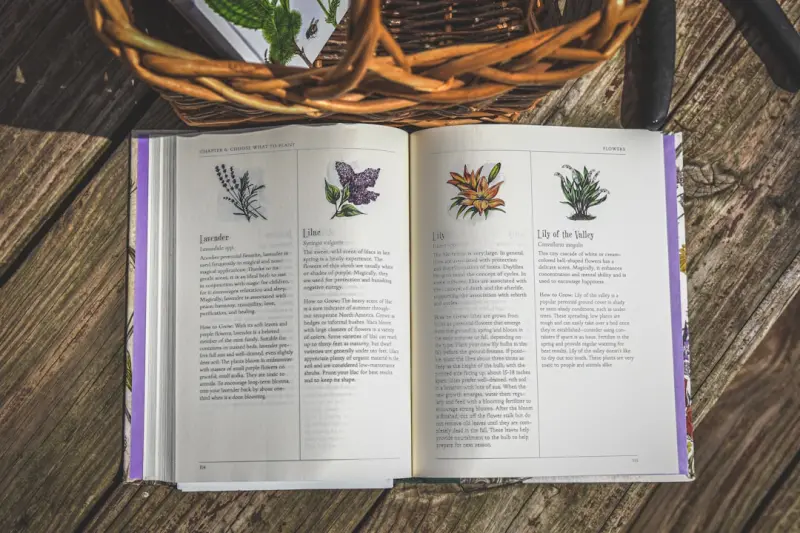
Why Scent Becomes the Secret Architecture of a Home
When I first stepped into a garden that smelled of lavender, rosemary, and fresh pine, I realized that fragrance can shape the emotional blueprint of a space as powerfully as walls or furniture, turning an ordinary room or yard into a sanctuary that whispers calm, focus, or vitality with each breath; this invisible design element invites us to linger, to remember, and to feel grounded, and I have since devoted my weekends to curating a living perfume that shifts with the seasons while staying true to my personal rhythm. Crafting a scent‑rich environment means listening to the way different aromas interact with light, temperature, and the textures of our daily routines, and then planting or arranging elements that amplify the moods we crave, whether it’s the uplifting zest of citrus at sunrise or the soothing earthiness of cedar at dusk. The journey began with a simple question: what fragrances make me feel most at home, and how can I coax them from soil, pot, or even kitchen herb shelf into a continuous, harmonious experience?
Choosing Aromatic Plants That Echo the Seasons
To design a garden that smells fresh all year, I map the calendar onto a palette of plants whose peak fragrance periods cascade from winter to winter, starting with evergreen herbs like sage and wintergreen that release subtle spice when the air turns crisp, then moving into early‑spring bursts of hyssop and lilac that greet the thaw, followed by summer’s bold statements from lavender, mint, and basil, before closing the loop with autumnal notes of rosemary, thyme, and the sweet, resinous scent of pine cones that linger even after the leaves have fallen; each selection is intentional, ensuring there is never a dull olfactory moment, and I often pair plants with complementary textures, such as the soft foliage of lamb’s ear beside the feathery spikes of oregano, to create a multisensory tapestry. Seasonal rotation also invites me to experiment with companion planting, allowing stronger aromatics to shield more delicate varieties from harsh weather while amplifying their scent profile, and the result is a living calendar that guides my mood from the first frost to the final bloom.
Designing a Scent Map: Zones, Pathways, and Focal Points
Once I identified the right plants, I sketch a “scent map” that treats fragrance like a spatial language, allocating zones where each aroma takes center stage, such as a quiet meditation corner lined with lemon balm and jasmine for calming breath work, a lively cooking alcove where basil, oregano, and dill grow within arm’s reach of the stove, and a breezy patio pathway bordered by rosemary and sage that releases their herbal perfume as a passerby walks by; the map also respects wind direction, placing stronger‑scented species downwind of subtler ones so the perfume drifts naturally without overwhelming the senses, and I use low‑lying groundcovers to create subtle fragrance layers that rise with the heat of the day. By visualizing scent flow as a design element, I can place decorative stones, reclaimed wood benches, or even a simple water feature to anchor each zone, turning the garden into a narrative that unfolds step by step, inviting guests to follow an aromatic storyline rather than merely admire static greenery.
DIY Aromatic Pot Assemblies for Indoor‑Outdoor Harmony
For homes with limited outdoor space, I build portable aromatic pot assemblies that can migrate between balcony, windowsill, and kitchen countertop, each container housing a curated mix of herbs and flowering plants chosen for their scent intensity and growth compatibility; a typical pot might combine fragrant thyme, petite lavender spikes, and a trailing sweet potato vine, all nestled in a breathable, recycled‑plastic liner that prevents waterlogging while allowing roots to breathe, and I line the base with decorative river rock to add visual interest and improve drainage. I also experiment with heirloom containers—like reclaimed tin cans painted in pastel hues or vintage ceramic jars—because the visual character of the pot contributes to the overall sensory experience, making the act of watering or pruning feel like a ritual; each pot is equipped with a discreet, weather‑proof label indicating the optimal harvest window, encouraging me to snip fresh leaves for tea or cooking just as their aromatic peak arrives.
Integrating Fragrance with the Kitchen: From Herb Garden to Table
One of the most rewarding aspects of an aromatherapy garden is the seamless bridge it creates between outdoor cultivation and indoor cooking, allowing me to pluck a sprig of mint from a sun‑warmed pot and instantly elevate a summer cocktail, or to shave fresh rosemary leaves over roasted potatoes for an earthy finish that mirrors the garden’s own scent profile; this integration encourages mindful eating, as the act of harvesting becomes a sensory cue that the food is not only fresh but also infused with the intention behind its growth, and I often arrange my kitchen window boxes to face the cooking area so that the steam from simmering sauces carries the faint perfume of basil or dill, subtly enhancing the dish’s aroma. In practice, I keep a small, decorative basket near the prep station where I store harvested herbs, and I rotate the varieties weekly to keep flavors dynamic, which also prompts me to experiment with new recipes, turning the garden into a living pantry that fuels creativity as much as nutrition.
Creating Evening Ambience with Light and Scent
As twilight descends, I love to amplify the garden’s fragrance with soft illumination that not only highlights the foliage but also encourages the release of volatile oils, a technique I discovered while reading about creative outdoor illumination, which suggests that warm, low‑watt LED lights placed near aromatic shrubs can gently warm the air and coax stronger scent diffusion, turning a simple patio into a fragrant lounge where conversation feels intimate and the night air feels plush; I position amber lanterns at the base of lavender rows and string fairy lights through rosemary arches, allowing the glow to dance on dew‑kissed petals and enhance the plant’s natural perfume. This combination of light and scent also deters nocturnal pests, creating a healthier environment for the garden, and it invites evening gatherings where guests can stroll among scented pathways, breathing in the calming aromas while enjoying the visual allure of a garden that glows as much as it smells.
Harvesting, Preserving, and Reusing Aromatic Treasures
To ensure the garden’s fragrance remains a year‑round resource, I adopt a systematic harvest schedule that captures herbs at their peak oil content, usually just before flowering, and I preserve them using methods such as drying, freezing, or creating glycerite extracts that retain the plant’s full aromatic profile for later use in homemade cleaners, potpourri, or therapeutic balms; I hang small bundles of lavender and sage upside‑down in a dark, ventilated loft, allowing them to dry slowly while releasing their scent into the surrounding space, and I store dried herbs in airtight glass jars labeled with harvest dates, creating a pantry of aromatic memories that can be summoned whenever the mood calls for a calming whisper or an energizing burst. Additionally, I experiment with making infused oils by steeping fresh rosemary in extra‑virgin olive oil, a practice that not only yields a fragrant cooking ingredient but also produces a scented massage oil that carries the garden’s essence into moments of self‑care, reinforcing the idea that scent can nurture both body and spirit.
Embracing the Journey: From Soil to Senses
Ultimately, cultivating a year‑round aromatherapy garden is less about achieving a static masterpiece and more about inviting an ever‑evolving dialogue between soil, plant, and human perception, a philosophy echoed in the spirit of turning everyday materials into a living art gallery, where each seed, pot, and stone becomes a brushstroke in a living canvas that perfumes our daily lives; by committing to this fragrant experiment, I have learned to listen to the subtle shifts in aroma as weather changes, to adjust watering routines based on scent intensity, and to celebrate the small triumphs of a single basil leaf that bursts with sweet heat on a cool evening. I encourage fellow home‑garden enthusiasts to start small, choose a few beloved scents, and let the garden teach them how fragrance can shape mood, memory, and even the architecture of a home, turning ordinary spaces into unforgettable sensory retreats.

When it comes to the world of blogging and writing, Rose DesRochers is a name that stands out. Her passion for creating quality content and connecting with her audience has made her a trusted voice in the industry. Aside from her skills as a writer and blogger, Rose is also known for her compassionate nature.
Related Posts
Why My Garden Desk Became the Soul of My Home
A garden desk isn’t just a workspace—it’s a sanctuary where home life, productivity, and natur... Read More

Sustainable DIY Outdoor Living: Transform Your Space with Eco‑Friendly Hacks
Learn how to turn everyday items into stylish outdoor furniture, use smart watering systems, and cre... Read More
Garden Desk Revolution: How My Outdoor Workspace Became 2024’s Hottest Home & Garden Trend
Jimmy Damon shares his journey turning a backyard into a thriving office, revealing design secrets, ... Read More
Top Posts

Beyond Tourist Trails: Building Community Connections While Working Remotely
Explore a community‑first approach to remote work travel that transforms ordinary trips into purposeful journeys, fostering authentic connections, cultural im...Read More

Hidden Storage Hacks for Modern Living Spaces
Learn practical, under‑the‑radar storage ideas—from vertical wall solutions to hidden nooks and multi‑functional furniture—that transform cramped area...Read More
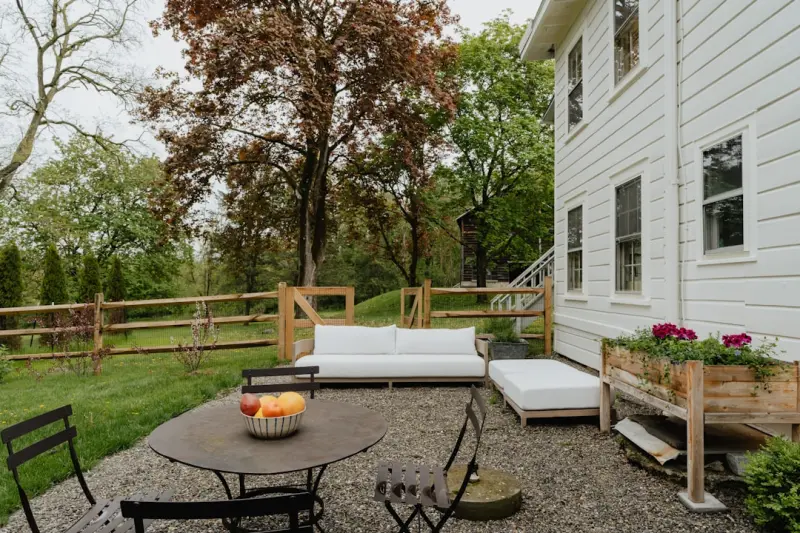
Creating a Backyard Fire Pit Lounge: Design, Safety, and Atmosphere
Discover step‑by‑step design, safety, and styling tips to turn any yard into a welcoming fire‑pit lounge perfect for year‑round gatherings....Read More

Screen Time & Skin: Uncovering the Hidden Connection and How to Reset
Explore the unseen ways screen exposure damages skin and get actionable habits—blue‑light filters, movement snacks, and a digital sunset routine—to protec...Read More
0 Comments
Post Comment
You will need to Login or Register to comment on this post!