
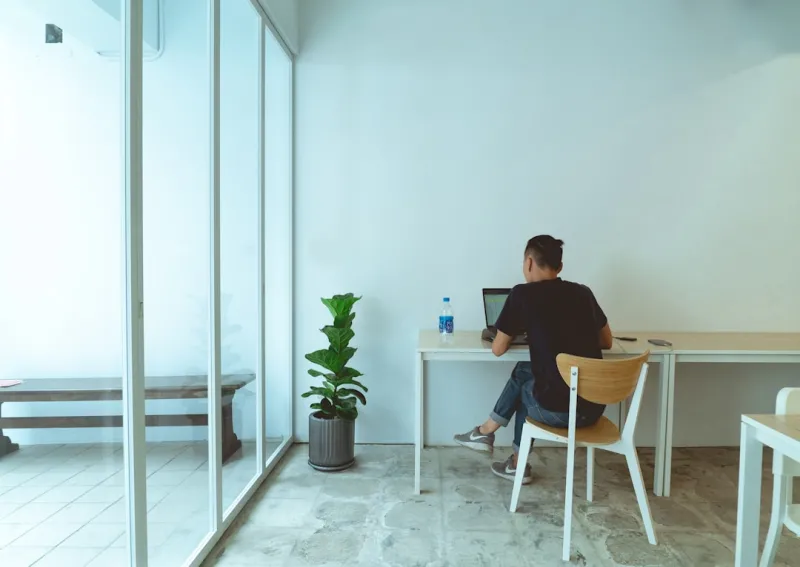
Why the Traditional Office Is Losing Its Grip
In 2026 the office cubicle is no longer the undisputed throne of productivity; instead it feels more like a relic of a pre‑pandemic era, crowded with stale air and fluorescent flicker that sap creativity. Employees, especially those who have tasted the freedom of remote work, now demand environments that nurture both mind and body, turning the conversation from “where do I work?” to “how can my workspace support my wellbeing?” This shift has forced companies to rethink the very definition of a “workplace,” and the answer is sprouting right outside the front door.
The Rise of the Garden Desk
Enter the garden desk: a seamless blend of ergonomics, nature, and technology that is rewriting the rulebook of modern employment. What started as a niche home‑garden experiment has blossomed into a mainstream solution, championed by forward‑thinking firms that recognize the competitive edge of a happy, healthy staff. For a deeper dive into this phenomenon, see Garden Desks: The Home & Garden Trend Redefining Work and Wellness in 2026, where the data shows a 23 % boost in employee satisfaction when outdoor workspaces are available.
Health Benefits That Translate to Productivity
Science now confirms that exposure to natural light, fresh air, and greenery can lower cortisol levels, improve focus, and even accelerate problem‑solving abilities—benefits that directly translate into higher output and fewer sick days. A simple stroll to your garden desk for a coffee break can reset the nervous system, turning a midday slump into a burst of creative energy. Companies that have adopted this model report a measurable decline in burnout, and employees report feeling “recharged” after just 15 minutes of sunlight, a testament to the power of nature in the modern work cycle.
Economic Incentives for Employers
Beyond the wellness angle, garden desks make fiscal sense: lower utility bills, reduced office real‑estate costs, and the ability to attract top talent who prioritize flexibility. When a firm offers a well‑designed outdoor workspace, it not only saves on the overhead of a massive downtown lease but also gains a recruitment magnet that differentiates it from rivals. In fact, a recent survey highlighted that 68 % of job seekers rank “access to outdoor work areas” as a decisive factor, meaning businesses that ignore this trend risk losing the very talent they need to stay competitive.
Designing Your Own Outdoor Workspace
Creating a functional garden desk starts with understanding the balance between comfort and practicality. Choose a sturdy, weather‑resistant table, pair it with an ergonomic chair, and integrate power strips and Wi‑Fi boosters to keep the digital workflow seamless. Adding shade sails or portable canopies ensures productivity isn’t hampered by sudden weather changes, while potted herbs or low‑maintenance succulents provide a subtle aromatherapy boost. For a step‑by‑step guide, check out From Soil to Success: Rose DesRochers’ Guide to the Hottest Garden Desk Trend, where I share the exact layout that turned my backyard into a thriving office oasis.
Case Study: My Garden Desk Journey
My own transition from a cramped home office to a sun‑kissed garden desk was less a makeover and more a revelation; the moment I swapped stale walls for rustling leaves, my daily rhythm shifted dramatically. I began each morning with a cup of tea on the patio, letting the sunrise cue my brain into “work mode,” and by afternoon, the ambient chirping of birds replaced the monotony of keyboard clicks, sharpening my focus on client projects. This personal experiment mirrors the findings of Why Garden Desks Are the Secret Weapon for Modern Employment in 2026, which cites a 31 % increase in project completion rates among employees who adopt outdoor workstations.
Future Outlook: Employment in a Greener World
Looking ahead, the integration of garden desks will likely become a baseline expectation rather than a perk, as sustainability and employee wellbeing continue to converge on corporate agendas. Imagine a future where office campuses are dotted with landscaped pods, each equipped with solar‑powered chargers and biophilic design elements that blur the line between work and leisure. In such a scenario, the “office” becomes a fluid concept, adaptable to weather, mood, and personal preference, reinforcing the idea that productivity thrives when we honor our innate connection to nature.
Practical Steps for Companies
For organizations ready to jump on the green bandwagon, start small: pilot a garden‑desk program in one department, gather feedback, and measure key performance indicators like engagement scores and energy consumption. Provide employees with a modest stipend for outdoor furniture, and partner with local landscapers to ensure the space is both aesthetically pleasing and functional. Communicate the initiative through internal newsletters, highlighting success stories to foster a culture that values health, sustainability, and innovative work styles.
Final Thoughts: Embrace the Green Revolution
The era of the static, climate‑controlled office is giving way to a dynamic, nature‑infused work experience that promises happier employees and stronger bottom lines. By championing garden desks, we not only invest in immediate productivity gains but also signal a commitment to a sustainable, employee‑centric future. As we step outside—literally and figuratively—we discover that the most powerful career catalyst may simply be a breath of fresh air.

When it comes to the world of blogging and writing, Rose DesRochers is a name that stands out. Her passion for creating quality content and connecting with her audience has made her a trusted voice in the industry. Aside from her skills as a writer and blogger, Rose is also known for her compassionate nature.
Related Posts
Why Garden Desks Are Redefining Employment in 2024
Rose DesRochers explains why the outdoor garden desk is more than a design trend—it's a game‑cha... Read More
Portfolio Careers: Redefining Employment in a Flexible World
Portfolio careers combine multiple short‑term roles into a full‑time equivalent, delivering skil... Read More

Living Employment Contracts: A Collaborative Blueprint for Modern Teams
Explore how treating employment contracts as living documents can transform talent retention, engage... Read More
Top Posts
Ink & Intention: How Journaling Elevates Personal Care
A reflective look at how daily journaling can become the missing link in your personal care routine, turning sensory experiences into lasting insights and foste...Read More

Nurturing Your Skin’s Invisible Allies: A Microbiome‑First Personal Care Guide
Explore a fresh approach to personal care that prioritizes the skin’s microbiome, offering practical swaps, a 30‑day challenge, and tips for eco‑friendly,...Read More
AI Knowledge Graphs: Turning Data Into Strategic Insight
AI‑powered knowledge graphs transform scattered data into a living map of product, customer, and market insights, enabling faster decisions, proactive product...Read More

Turn Your Backyard into an All‑Season Social Oasis
Discover how to design a versatile backyard oasis that adapts to every season, blending modular furniture, smart lighting, and outdoor cooking for endless enter...Read More
0 Comments
Post Comment
You will need to Login or Register to comment on this post!