

Why Mental Fitness Matters More Than Ever
We talk about physical fitness in terms of cardio, strength, and flexibility, but mental fitness rarely gets the same headline treatment. In a world where notifications ping every few seconds, deadlines loom, and the line between work and home blurs, the brain is under constant pressure. The good news? Just like any muscle, the brain can be trained, stretched, and fortified. In this post I’ll walk you through a practical, science‑backed blueprint for building mental resilience, sharpening focus, and turning stress into a catalyst for growth.
The Neuroscience of Stress: What’s Really Happening?
First, let’s demystify the biology. When you encounter a stressor, the hypothalamic‑pituitary‑adrenal (HPA) axis fires up, releasing cortisol and adrenaline. Short bursts of these hormones can boost alertness—a “fight‑or‑flight” response that helped our ancestors survive predators. However, chronic activation keeps your brain in a perpetual state of high alert, eroding the prefrontal cortex (the decision‑making hub) and over‑stimulating the amygdala (the fear center). The result? Impaired concentration, emotional volatility, and a weakened immune system.
Understanding this circuitry is the first step to taking control. When you know that stress is a physiological response—not a personal failure—you can intervene with strategies that target the same pathways.
Step 1: Reframe Stress as Information
One of the most powerful mental hacks is to reinterpret stress signals as data points rather than alarms. Instead of asking, “Why am I so anxious?” ask, “What is my body trying to tell me right now?” This subtle shift activates the ventromedial prefrontal cortex, which dampens the amygdala’s alarm response. In practice, a quick mental note—“I’m feeling a spike in heart rate; perhaps I have a deadline looming—what can I do?”—creates a feedback loop that reduces panic and opens space for problem‑solving.
Step 2: Tiny Habit Stacking for Cognitive Conditioning
Building mental stamina is easiest when you embed micro‑practices into existing routines. Think of it as adding a 30‑second brain‑workout between brushing your teeth and checking email. For example, after you sit down at your desk, spend ten seconds visualizing your top three priorities for the day. Then, immediately after each meeting, jot a single sentence about one thing that went well. These bite‑size actions accumulate, reinforcing neural pathways associated with focus and gratitude.
Want a ready‑made framework? Check out tiny habit stacking. The principles are identical—just replace physical micro‑movements with mental micro‑steps.
Step 3: Leverage AI‑Enhanced Habit Tracking
We live in an age where data is abundant, and our brains are wired to respond to patterns. Using a simple habit‑tracking app that leverages AI can surface hidden trends—like the time of day when you’re most prone to distraction or the type of tasks that trigger anxiety. By feeding this data back to yourself, you create a personalized stress‑response map.
For a deeper dive on integrating technology into well‑being, read about AI‑enhanced habit tracking. The same tools that optimize skincare routines can be repurposed to fine‑tune your mental health regimen.
Step 4: Master the Art of Intentional Micro‑Breaks
Our brains are not designed for marathon focus. The Pomodoro Technique (25 minutes of work, 5 minutes of rest) is popular, but you can make it even more effective by using those five minutes for a specific mental reset. Try the “4‑7‑8” breathing method, a quick body scan, or a visual “mind‑garden” where you imagine thoughts as leaves floating downstream. These micro‑breaks lower cortisol, replenish dopamine, and restore the prefrontal cortex’s capacity for higher‑order thinking.
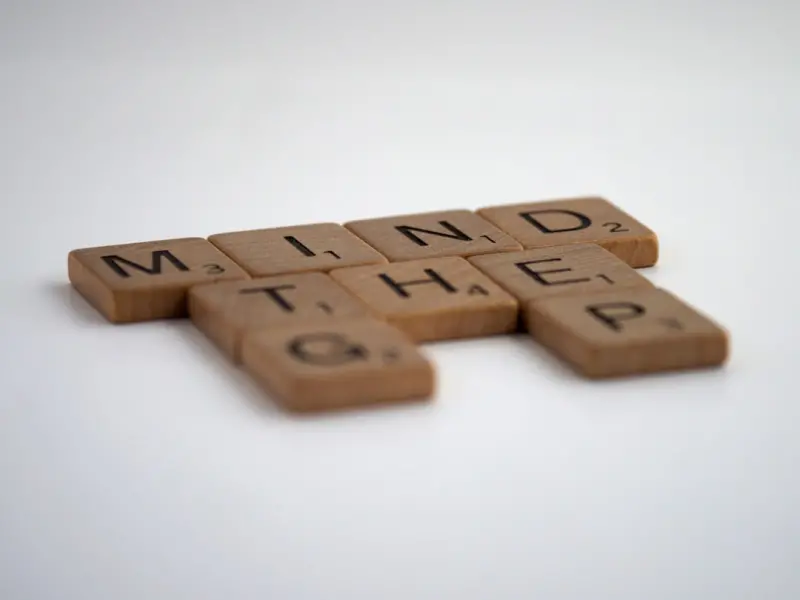
Step 5: Cultivate a Playful Mindset
Seriousness is a double‑edged sword. While dedication fuels progress, a constant state of seriousness can tighten mental muscles, making them less adaptable. Introducing play—whether it’s a quick doodle, a word game, or a humorous meme—triggers the brain’s reward circuitry, flooding it with endorphins and dopamine. This biochemical boost not only improves mood but also enhances neuroplasticity, the brain’s ability to rewire itself.
Think of play as mental weight‑lifting: the more varied the “reps,” the stronger your cognitive flexibility becomes.
Step 6: Build a Personal Resilience Narrative
Humans are storytellers by nature. The narrative you tell yourself about past challenges influences how you handle future ones. Rather than viewing a setback as “failure,” frame it as “a data point in my growth trajectory.” Write down a brief story of a recent stressful episode, highlight the coping strategies you used, and note the lesson learned. Revisiting this narrative reinforces a growth mindset and rewires the amygdala’s threat response.
Step 7: Optimize Your Digital Environment
Digital overload is a modern stressor that deserves its own mitigation plan. Start by curating your notification settings: allow only mission‑critical alerts, mute the rest. Use “focus modes” on devices to block distracting apps during deep‑work periods. Finally, schedule “digital sunset”—a set time each evening when all screens go dark, allowing melatonin production to rise naturally.
Step 8: Nutrition and Hydration for Brain Power
Even the most sophisticated mental training can falter on a sub‑optimal diet. Omega‑3 fatty acids, found in fatty fish, walnuts, and flaxseeds, support synaptic plasticity. Complex carbohydrates—think quinoa, sweet potatoes, and legumes—provide a steady glucose supply, preventing the “brain fog” that follows sugar spikes. And never underestimate water; even mild dehydration can impair concentration and elevate perceived stress.
Step 9: Sleep as the Ultimate Brain Reset
Sleep is the brain’s nightly maintenance window. During deep slow‑wave sleep, the glymphatic system flushes out metabolic waste, including beta‑amyloid proteins linked to cognitive decline. Aim for 7‑9 hours of uninterrupted sleep, and protect it with a dark, cool bedroom environment. If you struggle with insomnia, consider a brief “wind‑down” ritual: dim lights, a warm beverage (no caffeine), and a short meditation to signal to your nervous system that it’s time to unwind.
Step 10: Community and Shared Accountability
Social connection is a cornerstone of mental resilience. Share your mental‑fitness goals with a trusted colleague or friend. Set up a weekly “brain‑check‑in” where you discuss challenges, celebrate wins, and exchange strategies. This not only provides external motivation but also releases oxytocin, a hormone that counteracts cortisol’s effects.
Putting It All Together: Your 30‑Day Brain‑Training Plan
Here’s a concise roadmap to integrate the above steps into a month‑long routine:
- Week 1: Begin re‑framing stress, track baseline stress levels using an AI‑enhanced app.
- Week 2: Add three tiny habit stacking actions to your daily schedule; practice intentional micro‑breaks.
- Week 3: Introduce a playful activity each day; start your personal resilience narrative journal.
- Week 4: Fine‑tune digital environment, optimize nutrition and sleep, and schedule a weekly accountability session.
At the end of the month, revisit your stress data. You’ll likely see reduced cortisol spikes, improved focus scores, and a heightened sense of control. Remember, mental fitness isn’t a one‑off sprint; it’s a lifelong marathon of incremental upgrades.
Final Thoughts: The Competitive Edge of a Resilient Mind
In high‑performing environments, mental resilience is the differentiator that separates good from great. By treating your brain like any other high‑value asset—regularly maintained, data‑driven, and intentionally challenged—you’ll not only survive the inevitable stressors but also thrive amidst them. Start today, experiment with the tools, and watch your mental stamina expand.

Ryan Stuart is a seasoned freelance features writer, editor, and professional photographer with a passion for exploring the world and capturing its beauty through words and images.
Related Posts

The Unexpected Power of Play: Reclaiming Joy to Boost Mental Health in High‑Pressure Careers
Play isn’t a luxury—it’s a mental‑health tool. This article explores science‑backed ways t... Read More
Creating an Invisible Buffer: Guarding Your Mind in a Hyper‑Connected Workday
Discover the Invisible Buffer—a set of low‑effort habits that protect mental space amid nonstop ... Read More

Soundless Zones: Harnessing Collective Stillness for Mental Resilience
Discover the power of intentional quiet spaces at work. Learn why collective stillness restores ment... Read More
Top Posts

Garden Desks: The Employment Power Play Shaping 2026
Explore the rise of garden desks in 2026 and how this outdoor work trend is reshaping productivity, health, and hiring strategies across industries....Read More

The Joy of Unplanned Wandering: How Serendipity Fuels Deeper Travel Experiences
Explore why letting go of strict itineraries and following curiosity leads to unforgettable travel moments and lasting memories....Read More

Travel Light, Experience More: Mastering the Minimalist Journey
Learn to travel lighter and freer by building a capsule wardrobe, choosing multi‑purpose gear, and embracing sustainable habits that turn every trip into a sp...Read More

Scented Garden Paths: A Fragrant Blueprint for Small Outdoor Spaces
A scented garden path turns a modest outdoor area into a multisensory sanctuary, blending aromatic herbs, seasonal planting, and simple design tricks to boost w...Read More
0 Comments
Post Comment
You will need to Login or Register to comment on this post!