
Why Your Home Should Feel Like a Personal Efficiency Engine
When you spend more time at home than you did a decade ago, the line between “living space” and “work space” blurs. It’s no longer enough to have a couch that’s comfortable for Netflix binges or a kitchen that smells like fresh coffee. Your entire environment should be calibrated to keep you moving forward—whether that means crushing a project deadline, prepping a healthy meal, or simply unwinding without the mental clutter of unfinished tasks. The secret isn’t a massive remodel; it’s a series of intentional, low‑effort tweaks that stack up to a dramatic boost in focus, energy, and overall wellbeing.
1. Capture Light, Capture Energy
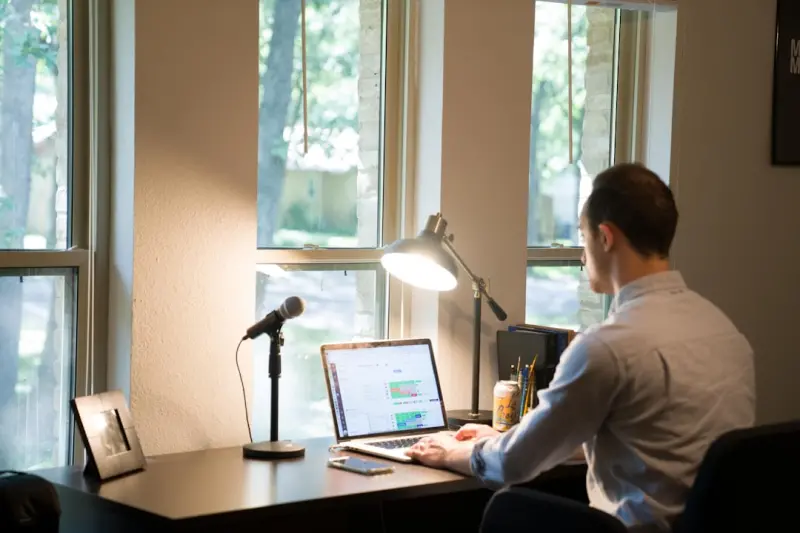
Natural light does more than illuminate a room; it regulates circadian rhythms, lifts mood, and can even sharpen cognitive performance. If you’re lucky enough to have large windows, keep them unobstructed. Replace heavy drapes with sheer, floor‑to‑ceiling panels that let sunlight flood in while preserving privacy. For rooms that lack direct sunlight, invest in daylight‑simulating LED strips that mimic the sun’s color temperature throughout the day—cooler tones for morning focus, warmer hues for afternoon wind‑down.
Pro tip: Position your most demanding tasks (like a home‑office desk or a craft table) near the brightest spot in the room. This simple alignment reduces eye strain, cuts down on reliance on harsh artificial lighting, and creates a mental cue that it’s “work time.”
2. Micro‑Zones for Macro‑Focus
Instead of trying to make a single room serve every purpose, carve out micro‑zones—tiny, purpose‑driven pockets that guide your brain into the right headspace. A “brain‑reset corner” might be a plush chair with a small side table, a stack of favorite books, and a tiny succulent. A “quick‑task station” could be a rolling cart stocked with a notepad, pens, and a charging hub, positioned near the kitchen so you can capture ideas while you brew coffee.
The beauty of micro‑zones is that they’re modular. When you need to shift focus, you simply move from one zone to another. This physical transition reinforces a mental shift, preventing the endless “I can’t stop thinking about work” loop that many remote workers experience.
3. Invisible Storage, Visible Serenity
Clutter is the silent productivity killer. It distracts, it overwhelms, and it creates a subconscious sense of “unfinished business.” The solution isn’t more shelves; it’s smarter, hidden storage. Dive into the concepts of Invisible Storage Techniques to learn how a few strategically placed pull‑out drawers, recessed wall niches, and multi‑function furniture can tuck away everyday items without sacrificing style.
Think of the entryway, for example. A sleek bench with a hidden compartment for shoes, a shallow console that doubles as a mail sorter, and a wall‑mounted coat rack with a secret hook system for umbrellas can transform chaos into calm. When everything has a home, you free up mental bandwidth for the things that truly matter.
4. Optimize Your Entryway—The First Impression on Yourself
We often focus on impressing guests, but the entryway is really a personal launchpad. A clutter‑free, purposeful entrance sets the tone for the rest of the day. By integrating a small “drop‑zone” for keys, phones, and wallets, you eliminate the frantic “where did I leave my phone?” moments that sap energy before you even step inside.
Take inspiration from the Transform Your Entryway Into a Stress‑Free Welcome Hub guide. Add a low‑profile bench that doubles as a shoe rack, a wall‑mounted charging station, and a minimalist art piece that reminds you to breathe. The goal is a seamless flow: you step in, deposit your gear, grab a cup of coffee, and you’re ready to tackle the day.
5. Smart Home, Smarter Habits
Automation is often associated with high‑tech gadgets, but the most impactful smart‑home tricks are simple. Set up motion‑activated lights in hallways so you never fumble for switches after midnight. Program your thermostat to lower the temperature by a few degrees during work hours and ramp it up just before you return home—this saves energy and creates a subtle cue that it’s “focus time” versus “relaxation time.”
Voice assistants can become habit‑building allies. Create a routine that, at 9 am, announces the weather, reads your calendar, and cues a short meditation timer. At 5 pm, the same assistant can dim lights, start a gentle playlist, and remind you to stretch. These small, consistent cues train your brain to associate environmental changes with specific activities, reducing decision fatigue.
6. The Power of a Dedicated “Reset” Space
Even the most organized homes need a place to decompress. A reset space is a dedicated spot where you can step away from screens, breathe, and recalibrate. It doesn’t need to be large—think a small rug, a floor cushion, a low‑profile table for a tea ceremony, and perhaps a wall‑mounted diffuser with calming scents.
Research shows that brief, intentional breaks improve focus by up to 30 %. By having a designated area that visually and tactilely signals “break time,” you condition your body to relax more quickly, returning to tasks with renewed vigor. Pair this space with a low‑tech activity like journaling or sketching; the act of putting pen to paper further disengages the digital brain.
7. Low‑Maintenance Greenery for Air Quality and Mood
Plants are more than décor; they filter indoor air, boost humidity, and have a calming effect that can lower stress hormones. However, a busy household often lacks the time for high‑maintenance foliage. Choose hardy, low‑light tolerant varieties like snake plant, ZZ plant, or pothos. These require watering only once a month and thrive in indirect light.
Strategically place them near work zones or in your reset corner. The gentle act of caring for a living thing—watering, misting, pruning—provides a micro‑mindfulness ritual that punctuates the day with purposeful pauses.
8. Streamline Your Kitchen for Efficiency
The kitchen is a high‑traffic hub where efficiency translates directly into time saved. Adopt a “one‑in, one‑out” rule for utensils and gadgets; if a new tool enters, an old one must leave. Use magnetic strips on the backsplash to hang knives, metal spice jars, and even a small cutting board. Install a pull‑out pantry drawer for snacks and quick‑grab ingredients, keeping countertops clear.
Consider a “prep‑zone” near the sink with a small cutting board, a set of measuring cups, and a dedicated trash bin. When you need to whip up a healthy meal, everything you need is within arm’s reach, minimizing the mental load of hunting for tools.
9. Evening Rituals That Signal Shut‑Down
Just as you have a morning routine, an evening wind‑down routine tells your brain that it’s time to transition from productivity to relaxation. Dim the lights, switch to warm‑tone bulbs, and turn off all notification‑popping devices at least 30 minutes before bed. If you enjoy reading, keep a dedicated “bedtime bookshelf” stocked with paper books—no screens.
Creating a physical “off‑switch” for the home office (a simple decorative cover for the desk, or a closed cabinet) can reinforce the mental boundary between work and rest. This small act reduces the likelihood of late‑night email checking, which can disrupt sleep cycles and erode next‑day focus.
10. Periodic “Home Audits” to Keep Momentum
All the tips in the world lose their power if they’re not maintained. Schedule a quarterly “home audit”—a 30‑minute walk‑through where you ask yourself: Are there new clutter hotspots? Have any routines fallen out of practice? Is the lighting still aligned with my tasks?
During the audit, note any friction points and apply a quick fix. Maybe a drawer needs a new divider, or a plant needs repotting. Treat the audit like a sprint review for your living environment: it keeps you honest, ensures continuous improvement, and prevents small annoyances from snowballing into major productivity drains.
By weaving these purposeful tweaks into your daily life, your home becomes more than a shelter—it transforms into a strategic ally that fuels creativity, reduces stress, and supports the rhythm of modern living. The best part? You don’t need a contractor, a hefty budget, or months of renovation. Start small, stay consistent, and watch the ripple effect unfold across every facet of your day.

Shawn DesRochers is a certified Microsoft technician and Programmer with 30+ year's experience. He has written many reviews on computer related products, software, and SEO related topics. When he's not writing reviews he can be found at one of the Oldest Directories Online Blogging Fusion Business Directory which he is the CEO of.
Related Posts

Zero‑Waste Home Cleaning: Simple Swaps for a Greener Household
Learn how to overhaul your cleaning routine with reusable tools, homemade formulas, and strategic ha... Read More
Silent Sanctuaries: How Acoustic Zoning Transforms Your Home
Discover how to map, prioritize, and treat sound in each room, using DIY solutions and smart devices... Read More

Let the Sun In: Practical Ways to Boost Natural Light at Home
A step‑by‑step guide reveals how to declutter windows, use mirrors, paint wisely, add DIY light ... Read More
Top Posts

Travel with Purpose: How to Build a Bucket List That Reflects Your Core Values
Learn to craft a travel bucket list that mirrors your core values, turning each trip into a meaningful, purpose‑driven adventure that fuels personal growth....Read More

How a Portable Storytelling Toolkit Turns Every Trip Into a Living Narrative
Explore how a simple portable toolkit can transform your travels into vivid, shareable stories—capturing sounds, sketches, and moments wherever you roam....Read More

AI‑Powered Scenario Planning: Future‑Proofing Your SaaS Business
Explore how AI‑powered scenario planning transforms uncertainty into strategic advantage for SaaS companies, offering probabilistic forecasts, causal insights...Read More

AI‑Enhanced Knowledge Management: Turning Data Silos into Strategic Assets
Learn how generative AI can convert fragmented information into a dynamic, contextual knowledge hub, reducing friction and driving growth for SaaS teams....Read More
0 Comments
Post Comment
You will need to Login or Register to comment on this post!