
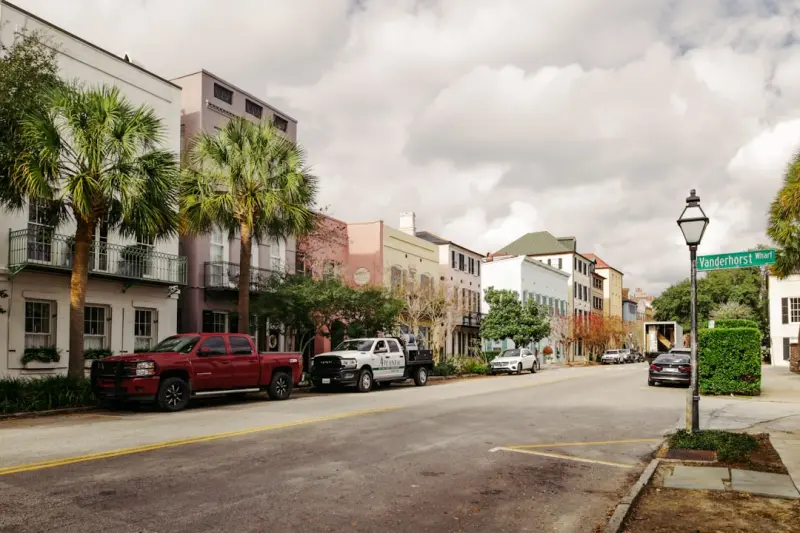
When most travelers think about “must‑see” spots, they picture iconic landmarks, glossy Instagram feeds, and curated itineraries. But the real pulse of a place often beats in its hidden alleys, where vendors shout over the clatter of pots, spices swirl in the air, and every stall tells a story you won’t find in guidebooks. I’m talking about the neighborhood bazaars, the modest market corridors that sit just off the tourist radar, yet hold the most authentic flavor of a destination.
The Psychology of the Bazaar
Humans are wired to seek novelty, but novelty is most rewarding when it feels personal. A grand monument can awe, but it’s impersonal; a bustling market invites you to engage, to barter, to laugh with strangers over a shared love of a bright‑red mango or a hand‑woven scarf. The sensory overload—sights, smells, sounds, textures—creates a memory imprint that outlasts any photo of a skyline. In fact, psychologists note that multisensory experiences trigger deeper hippocampal activity, which translates to richer recollections years later.
Mapping the Unmapped: Tools & Tactics
Finding these market gems isn’t a matter of scrolling through a standard map app. It requires a blend of curiosity, local intel, and a pinch of improvisation. Below are my go‑to tactics for uncovering the hidden bazaars wherever you wander:
- Ask the barista. The person behind the espresso machine often knows the nearest Saturday market before anyone else.
- Follow the aromas. A whiff of fresh herbs, fried dough, or roasted coffee can lead you straight to a stall you’d otherwise miss.
- Use “micro‑search” on social platforms. Type the city name plus “market” in the search bar of Instagram or TikTok and scroll through recent Stories. You’ll spot pop‑up events that haven’t made it onto mainstream listings.
- Walk, don’t ride. Leaving the car behind forces you to notice the smaller streets where the real hustle lives.
- Carry small change. Vendors often operate on a cash‑only basis, and a few extra coins can be the difference between a friendly conversation and a missed opportunity.
For those who crave a more structured approach, I’ve previously explored mindful travel strategies that blend intentional wandering with productivity. While the focus there is on balancing work and unplugging, the same principles apply: set a loose intention (e.g., “I want to discover a market”), then let the journey unfold without a rigid schedule.
Sustainability and the Local Economy
Choosing to spend your travel dollars at a neighborhood bazaar does more than enrich your personal story; it fuels a sustainable economic loop. Small‑scale vendors often source their goods locally—think farm‑fresh produce, hand‑crafted textiles, and recycled materials. By purchasing directly, you cut out the middleman and ensure a larger share of revenue stays within the community.
Moreover, many bazaars are incubators for social enterprises. Some stalls are run by women’s cooperatives, refugee groups, or youth collectives aiming to preserve cultural crafts threatened by mass production. When you haggle over a hand‑dyed scarf, you’re not just getting a souvenir—you’re supporting a livelihood and a tradition.
In the broader conversation about travel’s carbon footprint, these markets also tend to be low‑impact destinations. They’re usually within walking distance of residential neighborhoods, reducing the need for long bus or taxi rides. The more you explore on foot, the smaller your travel emissions become.
Stories from the Stalls
Allow me to share a few anecdotes that illustrate why these market walks are worth the detour:
- Bangkok’s Talat Rot Fai Night Market. I arrived just as the neon signs flickered on, and a vendor named Niran offered me a sample of his mango sticky rice. The dish was sweet, slightly salty, and topped with coconut milk that tasted like a tropical sunrise. He then invited me to watch his family’s rice‑pounding ritual—a centuries‑old technique he was proud to keep alive. I left with a bag of hand‑woven tote bags and a newfound respect for the labor behind each grain of rice.
- Lima’s Mercado de Surquillo. While hunting for a perfect ceviche, I struck up a conversation with a teenage fishmonger who explained the seasonal patterns of the Pacific currents. He recommended a lesser‑known fish that, according to locals, “tastes like the sea’s secret.” The ceviche turned out to be the most delicate, briny bite I’d ever experienced, and I walked away with a small notebook full of his family’s seafood recipes.
- Barcelona’s Mercat de Sant Antoni. An elderly woman sold vintage ceramics that once belonged to her grandmother. She told me stories of the Spanish Civil War, how each crack on a plate symbolized resilience. When I bought a modest blue bowl, she wrapped it in a cloth and whispered, “May it carry you home.” The sentiment lingered long after I left the market.
Putting It Into Practice: A Sample Day Plan
Here’s a practical itinerary that blends a market adventure with other travel staples, ensuring you get the most out of your day without feeling rushed:
- Morning: Light Exploration – Start with a casual stroll through the historic district, stopping at cafés for a quick espresso. Use the time to ask locals about nearby markets.
- Mid‑Morning: Market Arrival – Arrive at the chosen bazaar before the lunch rush. This is when vendors are freshest, and you can observe the set‑up process, gaining insight into their rhythms.
- Midday: Culinary Immersion – Choose a stall you’ve never tried before. Order a small portion, ask about the ingredients, and maybe even watch the preparation.
- Afternoon: Craft Connection – Visit artisans selling textiles or jewelry. Engage in a brief conversation about their techniques; many will gladly demonstrate a stitch or two.
- Late Afternoon: Reflect & Record – Find a nearby bench or quiet café, sip tea, and jot down notes in a travel journal. Capture the smells, sounds, and feelings while they’re still vivid.
- Evening: Integrate with Wider Travel – Use the market finds as a springboard to explore a nearby park, museum, or historic site, linking the local culture you just experienced with the broader narrative of the city.
When you close the day with a tote of fresh produce, a hand‑stitched shawl, and a notebook full of stories, you’ll realize you’ve harvested more than souvenirs—you’ve gathered cultural capital that fuels future adventures.
Beyond the Stall: Extending the Bazaar Mindset
Once you adopt the habit of seeking out these micro‑economic ecosystems, you’ll start to notice them in other contexts: pop‑up art fairs, community garden markets, even the weekly flea markets of suburbia. The principle remains the same—look for places where locals converge to exchange goods, ideas, and energy. By weaving these experiences into your travel routine, you create a travel identity that’s less about ticking boxes and more about building relationships.
For the creative traveler, the market is also a fertile ground for inspiration. I recently read about creative road journeys that blend collaboration with movement. While those hackathons focus on structured ideation, a bazaar offers a more organic brainstorming session: a conversation with a potter about color theory, a barter over spices that sparks a recipe idea, or a shared laugh over a mispronounced word that evolves into a brand name. The key is to stay open and let the market’s rhythm guide your thoughts.
Final Thoughts: Embrace the Unplanned
Travel isn’t just about arriving at a destination; it’s about the moments you collect along the way. Neighborhood bazaars embody the spirit of unplanned discovery, where every stall is a portal to a story, a skill, or a smile. By prioritizing these experiences, you’ll walk away with a suitcase full of tangible items and an invisible cache of cultural knowledge that no guidebook can replicate.
So next time you plot a trip, consider swapping one of your scheduled tours for a few hours of market wandering. Let the aromas guide you, the vendors teach you, and the locals welcome you. In the bustling chorus of a bazaar, you’ll hear the true heartbeat of a place—and perhaps, in that rhythm, discover a new piece of yourself.

Seth Samual is a name that's quickly becoming synonymous with compelling and insightful writing. As a freelance writer, Seth has carved a niche for himself by delivering high-quality content across a diverse range of subjects.
Related Posts
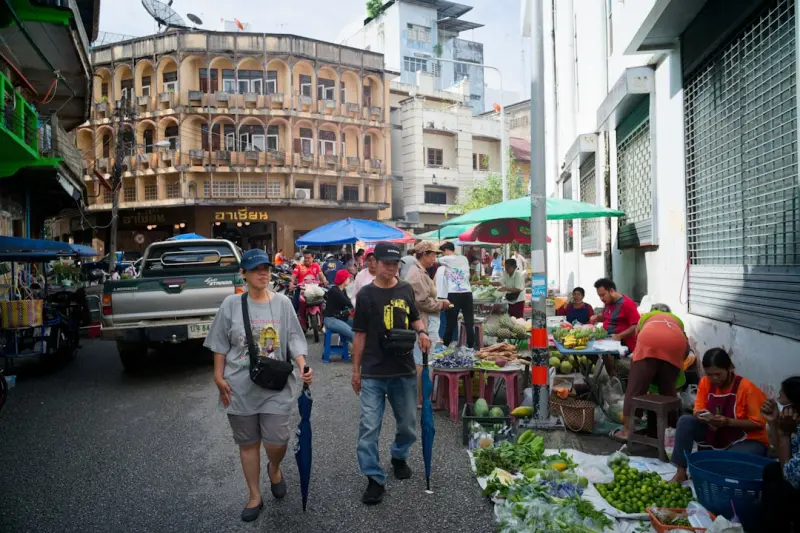
Exploring Local Markets: The Flavorful Path to Authentic Travel
Dive into the vibrant world of local markets and learn how food, conversation, and community turn or... Read More

The Night Train Advantage: Journeying Beyond Destination
Explore the magic of night trains—slow, sustainable travel that transforms the journey into the de... Read More
Flavor Trails: Crafting a Culinary Road Trip Across the Country
Explore a fresh travel angle: use food as your compass, plan seasonal stops, and create portable kit... Read More
Top Posts

Why Employee Experience Platforms Are the New Competitive Edge
Employee experience platforms have evolved from simple benefits portals into holistic, AI‑driven systems that anticipate employee needs, boost retention, and ...Read More

Seasonal Storytelling: Transform Your Home Into a Living Narrative
Discover how to turn each room into a seasonal storybook using color, texture, lighting, and subtle smart upgrades, while keeping storage organized and your hom...Read More

Let the Sun In: Transform Your Home with Light‑Smart Design
Learn how to map sunlight, choose optimal window dressings, use mirrors, colors, and smart controls to turn natural light into a powerful design tool that boost...Read More

Beyond the Airport: Crafting Meaningful Micro‑Journeys in a Connected World
Micro‑journeys offer a fresh travel mindset that prioritizes depth, sustainability, and personal growth through short, intentional trips. Learn how to design,...Read More
0 Comments
Post Comment
You will need to Login or Register to comment on this post!