
Why Your Inbox Is the Unseen Stressor (And How to Flip It)
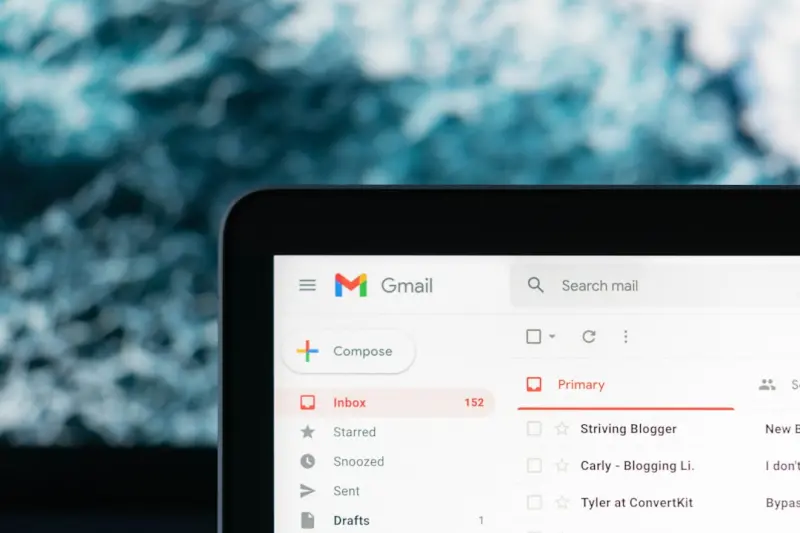
Every morning, millions of professionals stare at a blinking cursor, heart racing, as they brace for the tidal wave of unread messages waiting in their inbox. It’s a modern‑day anxiety trigger that rarely gets the spotlight it deserves. While we talk a lot about meetings, deadlines, and the ever‑present “always‑on” culture, the simple act of checking email can set off a cascade of cortisol spikes, decision fatigue, and a lingering sense of overwhelm. In this post I’ll unpack why the inbox feels like a mental minefield and, more importantly, share a step‑by‑step framework to turn that chaos into a calm, purposeful flow.
The Hidden Psychology Behind Email Overload
Our brains are wired for novelty. Each new email is a tiny novelty stimulus, prompting a dopamine hit that feels rewarding. However, when novelty is constant and unfiltered, the brain’s reward system becomes overstimulated, leading to what psychologists call “hedonic adaptation.” In plain terms: the more we receive, the less satisfaction we get, and the more we chase the next message for that fleeting dopamine surge. This loop not only erodes focus but also fuels a low‑grade anxiety that hangs around long after you’ve logged off.
Three Core Ways Email Hijacks Your Mental Health
- Decision Paralysis: Every unread email is a pending decision. Even a simple “reply‑all” can feel like a micro‑decision that adds up, draining mental bandwidth.
- Negative Feedback Loop: The more you postpone tackling messages, the larger the pile looks, amplifying stress and making it harder to start.
- Digital Intrusion: Constant notifications blur the line between work and personal time, sabotaging recovery periods that are essential for emotional resilience.
Reframe, Not Reject: The “Mindful Inbox” Method
Instead of trying to eliminate email—a futile goal in most modern roles—we can reshape our relationship with it. The “Mindful Inbox” method blends principles from cognitive‑behavioral therapy, productivity science, and a dash of playful curiosity. Below is a four‑phase process that you can adopt today.
Phase 1 – The “Zero‑Gravity” Scan
Begin each workday with a brief, 5‑minute scan of your inbox. The goal isn’t to answer anything, but to categorize. Use three simple tags:
- Urgent: Requires action within the next hour.
- Actionable: Takes less than 15 minutes to resolve.
- Reference: Information you may need later but doesn’t demand an immediate response.
This rapid triage reduces the cognitive load by converting a vague sense of “mess” into concrete, manageable groups.
Phase 2 – The “Batch‑Block” Ritual
Schedule two dedicated email blocks per day—typically mid‑morning and late afternoon. During these windows, turn off all other notifications and work in a focused “batch‑block” mode. Research shows that batching similar tasks reduces the mental cost of context switching by up to 40 %.
For extra mental bandwidth, pair this block with a brief grounding exercise: inhale for four counts, hold for four, exhale for four, and repeat three times. This simple breathwork primes your nervous system for calm, making it easier to tackle the inbox without feeling rushed.
Phase 3 – The “Micro‑Reply” Technique
When you open an email tagged as “Actionable,” aim to resolve it in under 15 minutes. If you can’t finish the task, send a short acknowledgment (“Got it, I’ll get back to you by EOD”) and move on. This approach leverages the brain’s reward loop: you get an instant sense of progress, which lowers stress and prevents the pile‑up effect.
For longer‑form responses, draft a quick bullet‑point outline before you dive into the full write‑up. The outline acts as a mental scaffold, keeping you on track and reducing the temptation to wander off into unrelated thoughts.
Phase 4 – The “Digital Sunset” Routine
Just as the sun sets, create a clear digital cutoff. At the end of your workday, spend 10 minutes performing a “Inbox Clean‑Sweep.” Archive or snooze non‑urgent messages, and set clear expectations with colleagues about your response windows. By signaling that your mind is switching off, you give your brain the recovery time it needs to consolidate memories and reset emotional balance.
Why “Playful Curiosity” Still Matters
You might wonder how a post about playful curiosity—Playful Curiosity: A Fresh Path to Mental Resilience—fits into this email framework. The answer is simple: curiosity fuels the willingness to experiment with new habits. When you treat your inbox as a sandbox for testing micro‑behaviors (like the batch‑block ritual), you’re tapping into that same playful mindset, making the process feel less like a chore and more like an exploration.
Linking Email Mastery to Broader Career Growth
Beyond immediate stress reduction, mastering your inbox can accelerate professional development. When you consistently clear actionable items, you free up mental space for strategic thinking, mentorship, and creative problem‑solving. Speaking of mentorship, consider pairing up with a colleague for a “Micro‑Mentorship” session—short, focused check‑ins that can help you refine your email workflow. Learn more about this low‑key strategy in Micro‑Mentorship: A Low‑Key Strategy to Turbocharge Career Paths.
Integrating Ambient Sound for a Calmer Inbox Experience
While you’re in a batch‑block, ambient sound can subtly boost concentration and lower anxiety. Gentle white noise, low‑volume nature recordings, or even a curated playlist of instrumental tracks create a soundscape that drowns out the intrusive ping of incoming notifications. If you’re curious about how sound influences calm, our guide on quiet‑crafting home environments—Quiet‑Crafting Your Home: Simple Acoustic Hacks for a Calmer Life—offers practical tips you can apply to your workspace.
Measuring Success: The Mental Health Metrics That Matter
To know whether your new inbox routine is actually improving mental health, track these simple indicators over a 30‑day period:
- Stress Rating: Rate your perceived stress on a 1‑10 scale before and after each email block.
- Decision Latency: Note how long it takes to move an email from “Actionable” to “Completed.”
- Recovery Quality: Record the quality of your evening unwind (e.g., ability to fall asleep, sense of mental clarity).
If you notice a steady decline in stress scores and quicker decision latency, you’ve likely rewired your brain’s response to digital stimuli.
Common Pitfalls and How to Overcome Them
Pitfall #1: Over‑Batching – Scheduling too many email blocks can fragment your day. Stick to the two‑block rule until you’re comfortable, then adjust.
Pitfall #2: Ignoring “Reference” Emails – Letting these pile up can create hidden clutter. Use a monthly “Reference Review” to archive or delete old items.
Pitfall #3: Perfectionism – Expecting a zero‑unread inbox is unrealistic. Aim for “manageable,” not “perfect.”
Building a Culture of Mindful Communication
While individual tactics are powerful, lasting change thrives in a supportive environment. Encourage your team to adopt the “Mindful Inbox” method collectively. Propose a short, 15‑minute workshop where you walk through the four phases and share personal results. When leaders model intentional email habits, the whole organization benefits—reduced burnout, higher engagement, and a clearer path to innovation.
Takeaway: Your Inbox Can Be a Tool, Not a Threat
By reframing email from a relentless threat to a structured, mindful practice, you reclaim mental bandwidth, reduce anxiety, and create space for higher‑order thinking. The steps outlined—Zero‑Gravity Scan, Batch‑Block, Micro‑Reply, and Digital Sunset—are simple, evidence‑backed, and adaptable to any role. Pair them with a sprinkle of curiosity, a dash of ambient sound, and occasional micro‑mentorship, and you’ll find that the once‑daunting inbox becomes a catalyst for both mental well‑being and professional growth.

Margaret Thomson is a seasoned freelance writer specializing in the dynamic worlds of marketing and advertising. With a career deeply rooted in the marketing field, Margaret brings a wealth of practical experience and insightful knowledge to her writing.
Related Posts

Micro‑Resets: The Tiny Habit Revolution for Mental Health
Micro‑resets—brief, intentional pauses like a 30‑second breath, stretch, or sensory shift—of... Read More

Microbreak Mastery: Tiny Pauses for Big Mental Gains
Learn how tiny, intentional pauses—microbreaks—can reset your brain, improve focus, and reduce s... Read More

Quiet Corners: Designing Mental‑Health Safe Havens in the Modern Office
Discover practical design principles and daily rituals for building quiet corners that act as mental... Read More
Top Posts

Hybrid Work, Hybrid Self: Crafting a Personal Care Routine That Works Anywhere
Discover a practical, adaptable personal care system for the hybrid work lifestyle—quick micro‑zone rituals, sustainable product swaps, and smart‑tech too...Read More

The Secret Power of Window Boxes: Turning Light Into Lush
A heartfelt guide shows how a modest window box can turn a concrete view into a vibrant garden, offering health benefits, creative flair, and community connecti...Read More

Multi‑Functional Furniture Secrets: Turn Every Corner Into a Purpose‑Built Zone
Discover practical, budget‑friendly strategies to turn any room into a multi‑functional zone, using convertible pieces, vertical storage, and smart design h...Read More

Turn Every Trip into a Skill‑Boosting Adventure
Travel isn’t just a break—it’s a living laboratory. Learn how to use layovers, local interactions, and curiosity‑driven experiments to build new skills ...Read More
0 Comments
Post Comment
You will need to Login or Register to comment on this post!