
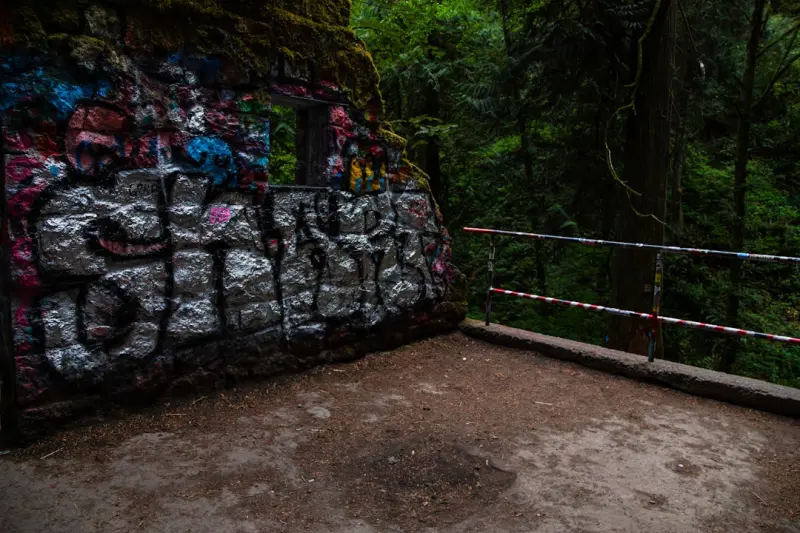
When I first stepped off the plane in a city I’d only ever seen in glossy magazines, my mind raced with itineraries, must‑see landmarks, and the ever‑present pressure to “check” every box. Yet, as the hours stretched into days, I realized the most vivid memories weren’t the ones I’d planned—they were the moments when I let my senses take the lead. That shift from a checklist mindset to a sensory‑first approach has turned my travel from a series of photo‑ops into a living, breathing narrative that I carry with me long after the luggage is unpacked.
Why a Sensory Lens Matters
Travel is traditionally framed as a visual experience: stunning architecture, postcard‑perfect sunsets, Instagram‑ready streets. While sight is undeniably powerful, it’s only one slice of a richer, multidimensional cake. Taste, sound, touch, and even smell can anchor memories more firmly than a photograph ever could. Think of the first bite of a street‑food taco that sings of smoky chilies and fresh cilantro, or the echo of a cathedral’s choir reverberating through stone walls. Those sensations trigger neural pathways that make the experience unforgettable.
In my own journeys, I’ve discovered that deliberately engaging each sense does three things:
- Deepens immersion. You move beyond “tourist” to “resident for a day,” noticing nuances that most travelers miss.
- Creates emotional resonance. A scent can transport you back to a market alley in Marrakech, evoking feelings you didn’t know you’d left behind.
- Builds a personal story. The collage of flavors, sounds, textures, and visuals becomes a unique narrative you can replay and share.
Step One: Arrive With Curiosity, Not a Checklist
Before you even book a flight, ask yourself what you truly want to feel. Are you craving the quiet hum of a coastal town’s morning market, or the electric buzz of a bustling night bazaar? Swap the usual “top 10 must‑see” list for a “top 3 sensory goals.” For me, a recent trip to the highlands of Peru started with a simple question: “What does the air taste like at sunrise?” That curiosity set the tone for everything that followed.
Once on the ground, let the city’s rhythm dictate your pace. Instead of racing from the museum to the next landmark, pause at a local café and savor the ambient chatter. Let the clatter of cups, the hum of conversations in a language you’re learning, and the scent of freshly brewed coffee paint a backdrop for your day. You’ll find that unscripted adventures often become the highlights of any itinerary.
Step Two: Tune Into the Soundtrack of a Place
Every locale has an audible identity. In Tokyo, the soft hiss of train doors blends with the distant call of street vendors. In the Andes, the wind whistles through stone walls, and the distant bleat of llamas adds a rustic cadence. To capture this, carry a small voice recorder or simply use your phone’s notes app to record ambient sounds. A five‑minute clip of a market’s chatter, a street performer’s guitar, or the distant toll of a temple bell can later be layered into a digital travel journal, creating a soundtrack that transports you back with a single play.
When you return home, revisit those recordings while scrolling through your photos. You’ll notice how the sound adds context—why a photo of a bustling square feels more alive when you remember the rhythm of a nearby drum circle.
Step Three: Savor the Flavors, Not Just the Views
Food is arguably the most immediate way to engage the senses, but many travelers still treat meals as refueling stops. I now treat each dish as a research project. I ask the server about ingredients, preparation methods, and cultural significance. This practice turns a simple dinner into a lesson in history, agriculture, and geography.
For example, while wandering the streets of Lisbon, I stumbled upon a tiny tasca serving “bacalhau à brás.” The salty cod, crisp potatoes, and fresh parsley were more than a meal; they told a story of Portugal’s maritime past and the humble fish that fed a nation. By pairing the taste with the story, I anchored the memory in both palate and mind.
Step Four: Engage Your Sense of Touch
Physical interaction with a place can be surprisingly grounding. Whether it’s the cool stone of an ancient ruin, the smoothness of a handcrafted ceramic mug, or the rough bark of a centuries‑old tree in a park, touching objects creates a tangible link to the environment.
Consider incorporating a “touch journal” into your travel kit. Bring a small, reusable notebook and a pen, and after you experience something tactile, jot down a quick note: “The marble steps of the palace felt chilled under my bare feet, reminding me of winter mornings back home.” Over time, these snippets become a tactile map of your journey, each entry a reminder of the physical connection you forged.
Step Five: Capture Scents Before You Capture Scenes
Smell is a memory powerhouse. A single whiff can conjure a vivid recollection more effectively than a visual cue. To harness this, carry a tiny scent‑catcher—a piece of cotton or a small sachet—when you enter markets, gardens, or bakeries. Gently rub the cotton on spices, fresh bread, or blooming flowers, then store it in a zip‑lock bag.
Back at your lodging, breathe in the captured aromas as you journal. Over a few days, you’ll notice patterns: perhaps the citrus scent of a Mediterranean lemon grove becomes a mental anchor for sunny afternoons, while the smoky aroma of a street‑side BBQ evokes evenings spent listening to local music.
Step Six: Blend the Senses Into a Narrative
After a week of sensory immersion, the next challenge is weaving those threads into a cohesive story. Traditional travel blogs often rely heavily on photos and bullet‑point lists. I’ve found a more compelling format: a sensory essay. Begin each section with a dominant sense—sight, sound, taste, touch, or smell—and then interlace the others.
For instance, a paragraph about a sunrise might start with the visual palette, then describe the cool air on the skin, the distant rooster’s call, the taste of fresh orange juice, and the faint perfume of jasmine drifting from a nearby garden. This layered approach mimics how we actually experience moments, making your writing feel more authentic and immersive.
To illustrate this technique, I recently crafted a piece on a weekend in Oaxaca. I opened with the sight of colorful papel‑picado banners, followed by the crackle of a street‑corner radio playing traditional sones, the tangy heat of mole sauce on my tongue, the warm texture of a woven blanket I bought, and finally the earthy scent of burning copal incense. The result? Readers told me they felt as though they were strolling the market alongside me.
Micro‑Immersions: Turning Tiny Breaks into Big Memories
Even if your schedule is tight, you can still practice sensory travel. The concept of Micro‑Immersions aligns perfectly with this mindset. A ten‑minute pause at a café, a brief walk down a side alley, or a quick sip of local tea can become a sensory anchor if you engage fully. Instead of scrolling through your phone, close your eyes for a moment, listen to the ambient sounds, and take a deep breath. You’ll be surprised how that short pause can enrich your whole day.
Practical Tools for the Sensory Traveler
- Portable recorder or phone app: Capture ambient sounds and brief voice notes.
- Scent catcher kit: Small cotton balls, zip‑lock bags, and a reusable container.
- Touch journal: Small notebook, pen, and a habit of noting tactile experiences.
- Food diary: Jot down dish names, ingredients, and personal reflections on flavor.
- Mindful pause timer: Set a gentle alarm every few hours to remind yourself to pause, breathe, and observe.
Balancing Sensory Exploration With Sustainability
While diving deep into a destination’s senses, remember to tread lightly. Choose local, eco‑friendly vendors, respect cultural norms around touching sacred objects, and avoid over‑sampling dishes that rely on endangered ingredients. Sustainable sensory travel ensures that the places you love can continue to enchant future explorers.
Bringing It All Home
When you finally return, the sensory tapestry you’ve woven doesn’t have to fade. Create a physical or digital “sensory board.” Compile photos, scent‑catcher sachets (sealed in airtight containers), audio clips, and excerpts from your touch journal. This multi‑modal collage serves as a living memory, one you can revisit whenever wanderlust calls.
Moreover, sharing these sensory stories can inspire others to travel more mindfully. Instead of a list of “top attractions,” you can offer a guide that highlights the sound of a morning market, the taste of a particular street‑food dish, or the feel of a historic cobblestone street underfoot. This approach not only differentiates your travel content but also encourages deeper, more respectful engagement with destinations.
Conclusion: Make Every Trip a Personal Masterpiece
Travel isn’t just about crossing places off a list; it’s an opportunity to paint with all five senses, turning ordinary moments into personal masterpieces. By arriving with curiosity, tuning into sound, savoring flavors, feeling textures, and capturing scents, you transform the act of traveling into a holistic, immersive art form. And when you weave those sensory threads into a narrative, you create stories that resonate long after the flight lands.
So, the next time you pack your suitcase, slip in a small recorder, a cotton ball, and a notebook. Let your senses lead, and watch as every journey becomes a vivid, unforgettable masterpiece—one you’ll replay in mind, heart, and soul for years to come.

Lauren Miller is a true outdoors enthusiast who has found her passion in the trades. When she's not working hard on the job, you can find her writing, camping, fishing, and exploring all that nature has to offer. A dedicated partner to her wife Beth, Lauren loves nothing more than spending quality time together and experiencing the great outdoors side by side.
Related Posts
Turn Every Trip into a Skill‑Boosting Adventure
Travel isn’t just a break—it’s a living laboratory. Learn how to use layovers, local interacti... Read More

When the Road Unfolds: Harnessing Unplanned Moments for Creative Travel
Explore the power of unplanned moments on the road, turning chance encounters into lasting creative ... Read More
How Travel Turns Everyday Moments into Masterclasses in Communication
Learn to turn routine transit rides into powerful communication practice, turning ordinary moments i... Read More
Top Posts
From Garden Desks to Green Employment: Jimmy Damon’s Vision for the Future of Work
Jimmy Damon shares his personal journey turning a garden desk into a productivity powerhouse, showing how green workspaces are reshaping modern employment and b...Read More

Crafting a Conscious Personal Care Routine
Learn to turn everyday personal care into a sensory celebration with DIY skincare, zero‑waste swaps, and tech‑enhanced rituals that boost well‑being and s...Read More

Turning Every Stop into a Collaborative Lab: The Future of Hyper‑Local Travel
Hyper‑local immersion pods, biometric travel mapping, and time‑banked hospitality are redefining travel from a checklist of sights to a two‑way, collabora...Read More
When Setbacks Become Stepping Stones: A Compassionate Approach to Inner Strength
Discover a compassionate framework that transforms setbacks into opportunities for growth, using practical check‑ins, nighttime rituals, and community support...Read More
0 Comments
Post Comment
You will need to Login or Register to comment on this post!