
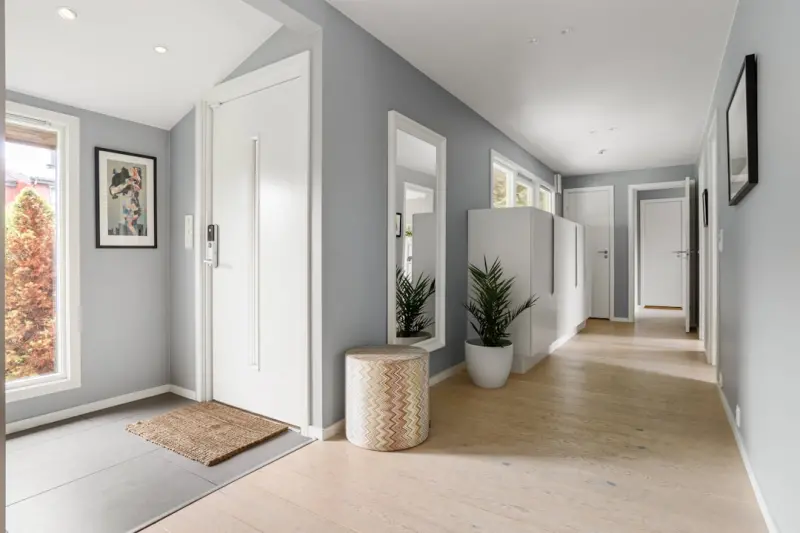
Welcome Home: Turning Your Entryway Into a Stress‑Free Welcome Hub
Every day starts at the door. Whether you’re rushing out for a meeting, dragging the kids home from school, or simply stepping out for a quick coffee, the entryway is the first—and last—impression of your home. I’ve spent years juggling a hectic schedule, a bustling family, and a never‑ending to‑do list, and I’ve learned that a chaotic foyer can set the tone for the entire day. The good news? You don’t need a massive renovation or a tech‑heavy overhaul to transform this often‑overlooked space. With a few intentional moves, you can create a calm, functional, and even joyful welcome hub that welcomes you and your guests with a sigh of relief.
Why the Entryway Deserves Your Attention
Most home‑improvement guides focus on kitchens, living rooms, or master suites—areas that dominate Instagram feeds. Yet the entryway is the literal gateway between the outside world and your sanctuary. A well‑designed foyer does three things:
- Reduces mental clutter. A clear visual field tells your brain, “You’re home. Let’s pause.”
- Streamlines daily routines. Dedicated spots for keys, bags, shoes, and mail cut down on the “where did I put that?” moments that waste minutes.
- Sets a welcoming tone. A tidy, thoughtfully curated space says, “You’re invited to stay a while,” which is especially important when friends or family pop in unexpectedly.
Think of the entryway as the home’s handshake. It’s brief, but it matters.
Step 1: Declutter with the 3‑Box Method
Before you add any décor, start with a clean slate. Grab three boxes labeled Keep, Donate, and Store. Walk through the space and ask yourself for each item: “Do I use this daily? Does it belong here?” Anything that doesn’t earn a clear “yes” goes in the Donate or Store box. This quick exercise usually reveals a surprising amount of hidden junk—old umbrellas, stray mail, and that “just in case” snow shovel you never use.
Tip: Keep the Store box out of sight, perhaps in a nearby closet, so you can retrieve seasonal items later without crowding the foyer.
Step 2: Define Functional Zones
Even a modest entryway can accommodate three distinct zones without feeling cramped:
- Drop Zone: A small table or console where you can place keys, wallets, and phones the moment you walk in.
- Footwear Corner: A slim shoe rack or a set of stylish baskets that encourages shoes to stay put.
- Coat & Bag Storage: A hook rack, a narrow wardrobe, or a set of decorative pegs for outerwear and daily bags.
By assigning each category its own home, you create a visual map that your brain can follow automatically. The next time you rush out, you’ll instinctively head for the drop zone, grab your essentials, and glide out the door—no more hunting for that elusive set of house keys.
Step 3: Choose Materials That Speak Calm
Materials have a subtle but powerful impact on mood. In an entryway, you want durability (because of foot traffic) paired with a soothing aesthetic. Here are my go‑to choices:
- Natural wood. Light oak or reclaimed pine adds warmth and a sense of grounding. Pair it with a simple matte finish to keep the look understated.
- Soft textiles. A woven rug or a cushioned bench not only feels good underfoot but also invites you to pause for a moment of mindfulness.
- Matte metal. Brushed brass or matte black hooks introduce a modern edge without the glare of polished chrome.
When selecting a rug, opt for low‑pile options that are easy to clean—think jute or seagrass. A rug not only defines the space but also muffles the noise of shoes, adding another layer of serenity.
Step 4: Light It Right
Lighting is often overlooked in entryways, yet it’s a game‑changer for mood and safety. Here’s a simple lighting hierarchy:
- Ambient Light: A ceiling fixture or a wall‑mounted sconce that provides even illumination.
- Task Light: A small table lamp on the drop‑off console for evening reads or quick note‑taking.
- Accent Light: LED strip lights under a shelf or a spotlight on a piece of artwork to add visual interest.
Consider installing a motion‑sensor light switch. Not only does it conserve energy, but it also greets you with a soft glow the moment you step in, turning a mundane arrival into a small, delightful ritual.
Step 5: Add Personality Without Overcrowding
Personal touches make the entryway feel like a true extension of your home, but they must be curated. Here are a few ideas that keep the space functional yet expressive:
- Seasonal vase. Swap a simple glass vase filled with fresh flowers or dried grasses each season. It adds color and a subtle scent.
- Mini gallery. Hang three to five small frames in a grid, rotating the artwork or family photos periodically.
- Signature scent. Place a small diffuser with a calming fragrance—think lavender or citrus—right near the drop zone. The scent becomes a subconscious cue that you’re home.
Remember, less is more. The goal is to create a calm visual canvas that you can enjoy at a glance.
Step 6: Bridge Indoors and Outdoors
Even if you don’t have a large yard, you can still bring a touch of the outside in. A small seasonal outdoor living room concept can be adapted for a foyer: place a slim, weather‑resistant bench that can double as a shoe rack, or add a narrow planter with hardy succulents. This not only softens the hard edges of the entryway but also creates a visual link to the rest of your home’s ecosystem.
Step 7: Integrate Subtle smart home hacks for Seamless Flow
You don’t have to go full‑blown home automation to reap the benefits of technology. Small, affordable upgrades can enhance convenience without dominating the aesthetic:
- Smart plug for the entryway lamp. Set a schedule or control it via voice command, so the light is always on when you need it.
- Bluetooth tracker for keys. Attach a tiny tracker to your keyring and pair it with your phone—never scramble for misplaced keys again.
- Doorbell camera with a friendly chime. Choose a device that offers a subtle visual cue on your phone, so you know when visitors arrive without the need for a loud buzzer.
These hacks blend seamlessly with the design, offering the comfort of modern convenience while keeping the visual calm intact.
Maintaining the Momentum
Transformation is only half the battle; the other half is keeping the entryway functional over time. Here’s a quick weekly ritual to ensure the space stays fresh:
- Five‑Minute Sweep. At the end of each week, spend five minutes clearing any stray items that have migrated into the entryway.
- Rug Refresh. Shake out the rug or give it a quick vacuum to keep dust at bay.
- Spot Check of Hooks & Baskets. Straighten any misaligned items and empty out the donation box if it’s getting full.
By treating maintenance as a brief, intentional habit, you prevent the space from slipping back into chaos.
Bonus: Creating a Mini “Mindful Moment” Spot
If you have a bit of extra floor space, consider adding a low bench with a soft cushion and a small tabletop. Keep a single journal or a gratitude card deck on the surface. When you walk in, take a breath, sit for a minute, and jot down one thing you’re grateful for or an intention for the day. It’s a tiny ritual that can have a big impact on your mental clarity and overall well‑being.
Wrapping It All Up
The entryway is more than a hallway; it’s the emotional handshake that greets you each time you cross your threshold. By decluttering, defining zones, choosing calming materials, lighting thoughtfully, adding personal touches, and sprinkling in subtle tech, you can turn that often‑overlooked area into a stress‑free welcome hub. The result? A smoother start and finish to each day, a space that reflects who you are, and a home that feels more like a sanctuary than a storage closet.

In the world of freelance writing, where creativity and adaptability are paramount, Michelle Fisher stands out as a dedicated and versatile professional. With a passion for crafting compelling narratives and a keen eye for detail, Michelle has established herself as a trusted voice.
Related Posts
Hidden Storage Hacks for Modern Living Spaces
Learn practical, under‑the‑radar storage ideas—from vertical wall solutions to hidden nooks an... Read More
Rewire Your Home’s Atmosphere: Practical Hacks to Boost Mood, Focus, and Energy
Learn simple, science‑backed hacks for lighting, color, sound, and organization that transform any... Read More
Zero‑Waste Kitchen Hacks: Transform Your Home into a Food‑Saving Powerhouse
Discover a step‑by‑step guide to turning your kitchen into a zero‑waste zone, from smart shopp... Read More
Top Posts

How Garden Desks Are Changing the Modern Workplace
Explore the rise of garden desks and how they’re reshaping productivity, wellbeing, and career advancement for modern employees....Read More

Beyond Sight: Harnessing Sound, Taste, and Rhythm for Deeper Travel
Explore a fresh travel approach that prioritizes sound, flavor, and rhythm, turning every journey into a lasting sensory adventure....Read More

Redefining Careers: How Internal Gig Marketplaces Empower Modern Employees
Explore the rise of internal gig economies, where employees act as freelancers within their own companies, unlocking autonomy, continuous learning, and faster b...Read More

Garden Desk Revolution: Jimmy Damon’s Blueprint for a Green Home Office
Jimmy Damon reveals his secret to a thriving garden desk—blending design, wellness, and tech for a productive outdoor workspace that’s redefining home livin...Read More
0 Comments
Post Comment
You will need to Login or Register to comment on this post!