
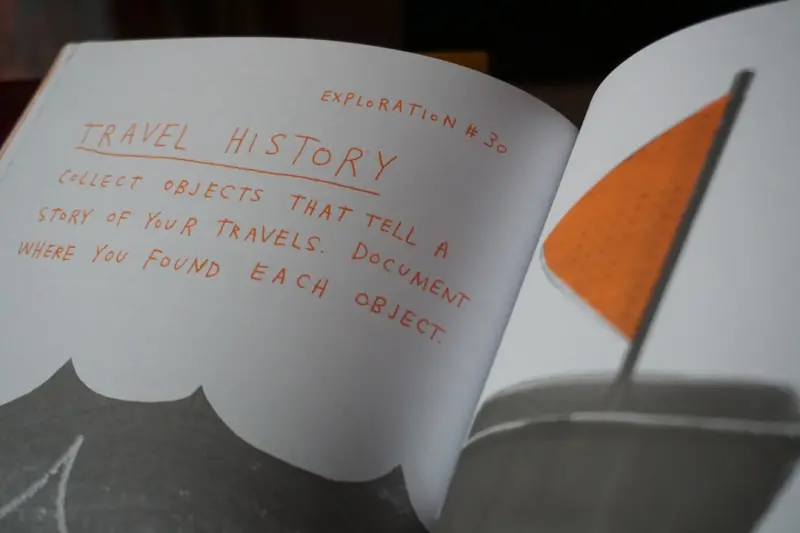
Opening the Senses: Why Travel Needs a Portable Storytelling Toolkit
Every time I step off a plane, train, or ferry, I feel an electric charge that tells me the world is whispering its secrets, and the only way to hear them clearly is to equip myself with a portable storytelling toolkit that fits in a backpack; this kit isn’t about gadgets alone, but about a mindset that prizes curiosity, observation, and the courage to capture fleeting moments before they dissolve into memory. By turning ordinary pauses into narrative gold, I can transform a bustling market stall into a vivid tableau, a quiet sunrise over a river delta into a sensory poem, and a hurried conversation with a stranger into a thread that weaves through my travel journal like a golden filament. The result is a richer, more immersive itinerary that feels less like a checklist and more like a living anthology of places, flavors, and voices that stay with me long after the suitcase is unpacked.
Choosing the Right Tools: Simplicity Over Complexity
When I first tried to pack an elaborate array of microphones, high‑resolution cameras, and notebook apps, I quickly realized that the weight of ambition can sabotage the very spontaneity travel demands; instead, I pared my kit down to a lightweight field recorder, a single‑purpose sketchbook, and a compact voice‑memo app that syncs across devices without needing Wi‑Fi. This minimalist approach means I can slip the recorder into a coat pocket, flip open the sketchbook on a train seat, and start noting the rhythm of a street performer’s drumbeat without fumbling for settings, allowing the moment to flow naturally. The key is to prioritize tools that require no technical ramp‑up, so the focus stays on listening, seeing, and feeling rather than on fiddling with menus or batteries.
Soundscapes: Recording the Unseen Music of a Place
One of the most powerful ways to anchor a memory is to capture the ambient soundtrack that defines a location—whether it’s the low‑hum of a bustling souk, the distant call to prayer echoing off stone arches, or the rhythmic splash of kayaks on a mountain lake; a modest field recorder can pick up these layers with clarity that smartphones often miss, and the resulting audio files become portable portals you can revisit whenever you need a mental reset. In my own travels, I’ve discovered that pairing a short sound clip with a handwritten note about the source creates a multidimensional reminder that feels more vivid than any photograph could achieve. When I later replay the recording on a quiet evening at home, the soundscape floods my senses, and I’m instantly transported back to the original scene, complete with the smells and emotions that accompanied it.
Sketching on the Move: Visual Journaling Without the Pressure
While many travelers reach for their phones to document a view, I find that a small, unruled sketchbook invites a slower, more contemplative interaction with the environment; a quick line drawing of a weathered doorway, a silhouette of a lone fisherman, or even a series of abstract shapes that convey the mood of a crowded plaza can capture the essence of a place in a way that pixels often flatten. Sketching forces the eye to simplify and prioritize, highlighting the forms and patterns that truly matter and leaving behind the clutter that digital cameras love to record. By keeping the sketchbook in an easily reachable pocket, I can pull it out during a coffee break, a train ride, or a fleeting lull in a guided tour, allowing the act of drawing to become a quiet meditation that deepens my connection to the surroundings.
Story Seeds: Turning Everyday Observations Into Compelling Narratives
Every traveler accumulates a trove of tiny anecdotes—an elderly woman offering a piece of homemade cheese, a child’s laughter echoing off a stone wall, a vendor’s insistence that the spice blend is a family secret—and these moments become the seeds for stories that can later be woven into blog posts, podcasts, or personal memoirs; the trick is to capture the core of each encounter while it’s fresh, using a brief voice memo or a bullet‑point note that records the who, what, and why in under thirty seconds. By revisiting these seeds after the trip, I can flesh them out into richer narratives, adding context, dialogue, and reflection that transform a fleeting glimpse into a compelling piece that resonates with readers. This practice not only enriches my own travel archive but also provides authentic content that stands out in a sea of generic “top‑ten” lists.
Integrating the Toolkit With Flexible Work Schedules
In an era where remote‑first hiring hubs are reshaping how we think about work, the freedom to blend professional responsibilities with wanderlust is more attainable than ever; by structuring my days around a remote‑first hiring hub mindset, I can allocate morning hours to client calls, then step outside to record the sunrise over a historic courtyard, ensuring that productivity and exploration coexist without compromise. The same principle applies to companies experimenting with a four‑day workweek, where the extra day can become a dedicated travel immersion day, allowing deeper engagement with local cultures and more time to use the storytelling toolkit without the pressure of a ticking clock. This synergy turns what could be a logistical headache into a strategic advantage, turning each work trip into a dual‑purpose mission that fuels both career growth and personal enrichment.
Curating a Portable Library: Books, Poems, and Local Lore
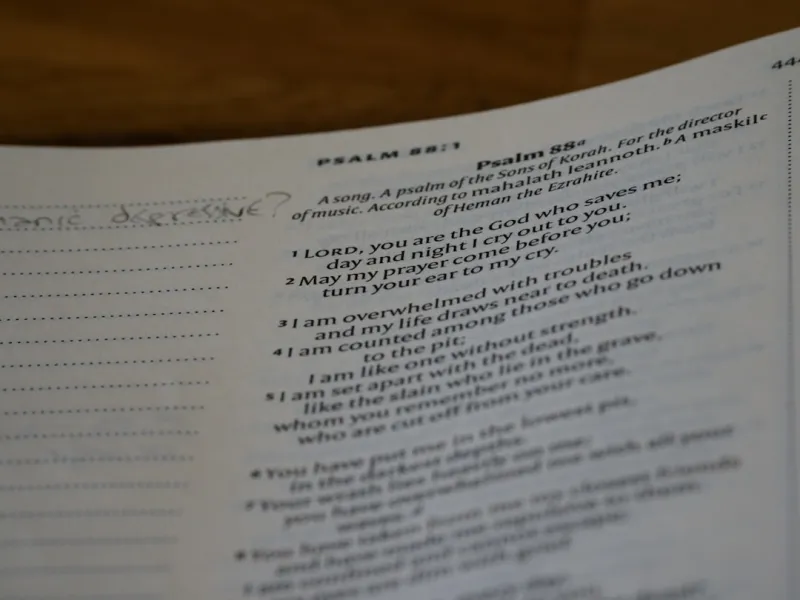
One often overlooked component of a travel storytelling kit is a curated collection of small‑format literature—pocket‑size poetry chapbooks, a novella set in the destination, or a field guide that highlights regional folklore; these texts serve as both inspiration and reference, providing language, themes, and historical context that can deepen the stories I tell on the road. When I sit in a quiet café with a steaming cup of espresso, flipping through a local legend about a hidden spring, I find myself weaving that narrative thread into my own observations, creating a layered account that blends personal experience with cultural heritage. The tactile act of turning pages also offers a sensory break from digital screens, grounding me in the present moment and reminding me that travel is as much about the mind as it is about the eye.
Sharing the Stories: Ethical Publishing and Community Building
After gathering audio clips, sketches, and narrative seeds, the next step is to share them responsibly, ensuring that the voices and scenes I capture are represented with respect and authenticity; this means crediting local contributors, avoiding sensationalism, and sometimes even seeking permission before publishing a recording of a traditional ceremony. By adopting an ethical publishing framework, I not only protect the dignity of the communities I visit but also build trust, which can lead to deeper collaborations—such as being invited to a private family gathering or gaining access to a hidden workshop that would otherwise remain closed to tourists. The ripple effect of respectful storytelling extends beyond a single article; it cultivates a global community of travelers who value cultural exchange over mere consumption, enriching the travel ecosystem for everyone involved.
Reflecting On the Journey: The Toolkit as a Lifelong Companion
When the trip ends and the suitcase is stored away, the portable storytelling toolkit doesn’t retire; instead, it becomes a lifelong companion that I pull out whenever curiosity strikes, whether I’m exploring a new neighborhood in my hometown or revisiting a favorite trail on a weekend hike; the habits formed—listening intently, sketching quickly, recording sounds on the fly—translate into a heightened awareness that colors everyday life with a sense of adventure. Over time, the accumulated archive of audio, visual, and written fragments evolves into a personal museum of moments that I can revisit for inspiration, personal growth, or simply a nostalgic smile. In this way, travel transforms from a series of isolated trips into an ongoing narrative thread that weaves through the fabric of my daily existence, reminding me that the world’s stories are always within reach, waiting to be heard, drawn, and told.

Melanie Wilson, Freelance writer with a flare for everything. I am passionate about topics I write crafting stories and compelling content that connect with audiences. Journeying through the realms of creativity as a freelance creator. #WriterLife #ContentCreator
Related Posts
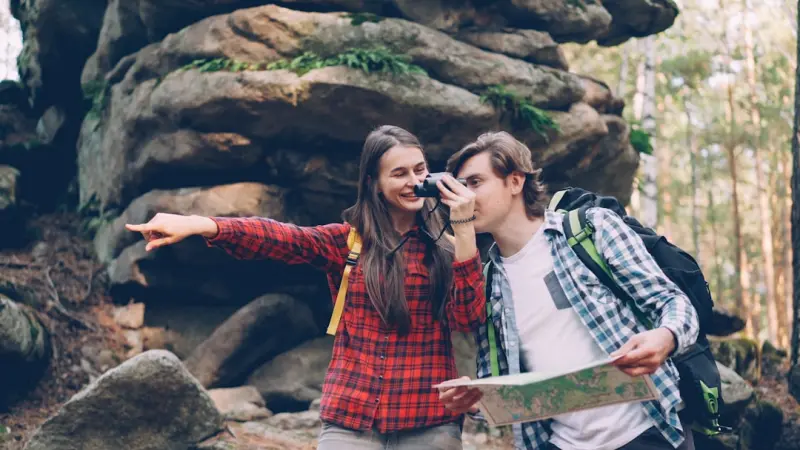
Beyond the Tourist Trail: Finding Hidden Communities Through Homestay Swaps
Explore the transformative power of homestay swaps—bilateral hosting that immerses travelers in lo... Read More

Culinary Mapping: Building a Personal Flavor Atlas on the Road
A flavor atlas transforms travel memories into a searchable map of taste, linking sensory notes, cul... Read More

The Night Train Advantage: Journeying Beyond Destination
Explore the magic of night trains—slow, sustainable travel that transforms the journey into the de... Read More
Top Posts
When AI Becomes Your Creative Partner: A Personal Playbook
Learn the hands‑on strategies that let you treat AI as a true creative teammate, from prompt crafting to transparent publishing, and keep your voice unmistaka...Read More
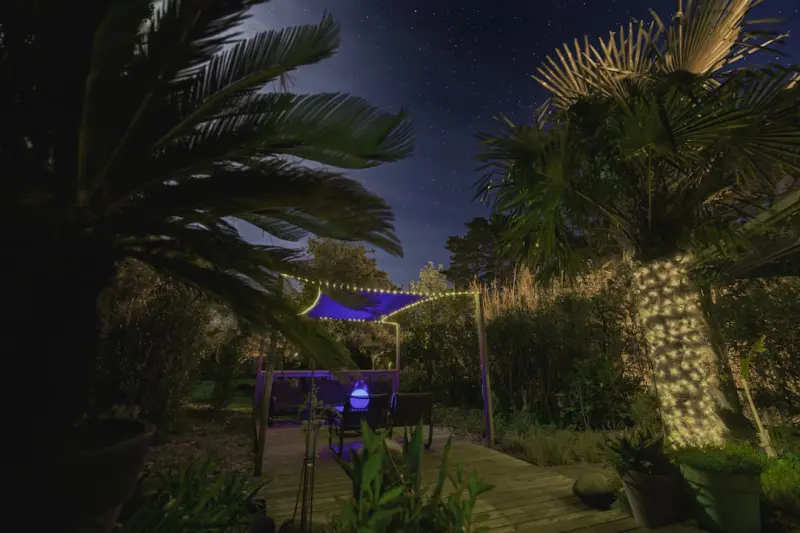
Designing a Nighttime Garden: Light, Texture, and Tranquil Evenings
Discover how to craft a captivating nighttime garden using thoughtful lighting, reflective elements, and soothing sounds for an enchanting outdoor sanctuary....Read More
From Soil to Spreadsheet: Jimmy Damon’s Guide to a Garden‑Powered Home Office
Jimmy Damon shares how a simple garden desk transformed his work life, offering practical tips to create a nature‑infused home office that fuels creativity an...Read More

Seasonal Home Refresh: Simple Swaps to Keep Your Space Fresh
Learn how to effortlessly revitalize your home each season with smart lighting, textile rotations, natural scents, and sustainable DIY updates....Read More
0 Comments
Post Comment
You will need to Login or Register to comment on this post!