
Why Light Is the Unsung Hero of a Comfortable Home
When I first stood in my living room at dusk, I realized that the way light dances across a space can either lull you into relaxation or spark a surge of energy, and that realization changed how I treat my home forever. Lighting isn’t just a decorative afterthought; it shapes mood, influences circadian rhythms, and even impacts the way we focus on daily tasks, making it a critical element of any home‑improvement plan that aims for lasting comfort. By treating light as a design tool rather than an after‑care step, you can transform ordinary rooms into dynamic environments that support both wellbeing and productivity.
Assessing Your Current Light Landscape
Before you replace a single bulb, take a moment to walk through each room with a notebook, noting where shadows linger, where glare blinds, and where warm pools of illumination already exist, because a clear inventory helps you spot gaps you might otherwise overlook. I like to use a simple smartphone light meter app to capture the lux levels at eye height, desk height, and floor level, then compare those numbers to the recommended ranges for reading, cooking, and relaxing; this data‑driven approach removes guesswork and lets you prioritize upgrades that deliver the biggest impact. For inspiration on how light can complement scent and sound, check out Create a Sensory Sanctuary at Home: Sound, Scent, and Style, where the authors show how layered environments amplify comfort.
Letting the Sun In: Harnessing Natural Light
One of the most cost‑effective ways to brighten your home is to invite more daylight through strategic window treatments, mirror placement, and thoughtful furniture arrangement, because the sun’s full‑spectrum glow does wonders for mood and vitamin D synthesis. Swap heavy drapes for sheer curtains that diffuse sunlight while preserving privacy, and position reflective surfaces—such as polished wood trays or glass picture frames—directly opposite windows to bounce light deeper into corners that would otherwise stay dim. Remember to clean windows regularly; a layer of dust can cut natural illumination by up to 30 %, turning a bright space into a gloom‑filled one without any structural change.
Layered Lighting: The Three‑Pillar Approach
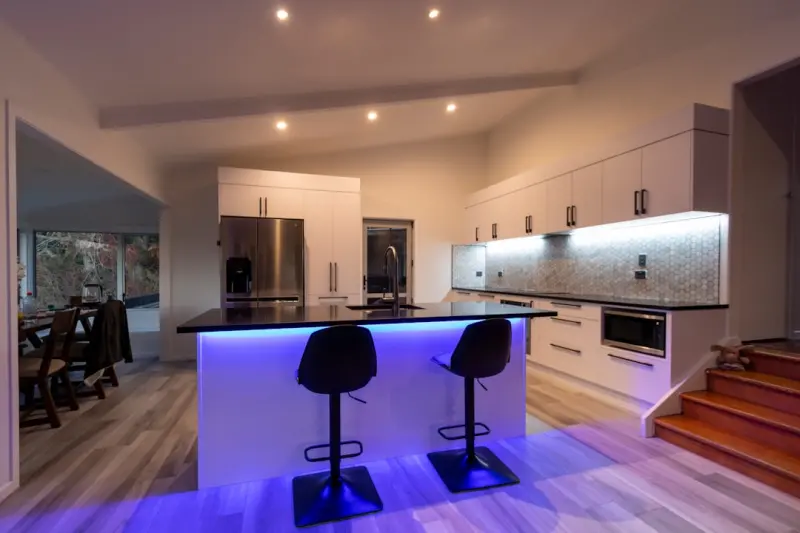
Effective illumination relies on a balanced trio: ambient lighting for overall brightness, task lighting for focused work, and accent lighting to highlight art, plants, or architectural features, each serving a distinct purpose while contributing to a cohesive visual rhythm. Ambient sources such as ceiling fixtures or recessed LEDs set the baseline mood, task lights like desk lamps or under‑cabinet strips provide precision where you need it, and accent fixtures—think picture lights or LED strips behind a TV—add depth and intrigue, turning a functional room into a curated experience. For a fresh take on improving indoor air while you’re tweaking your lighting scheme, see Natural Air Refresh: Simple DIY Strategies for a Healthier Home, which pairs well with the idea of creating a healthier, more breathable atmosphere.
Smart Bulbs and Color Temperature: Technology Meets Mood
Modern smart bulbs let you dial in exact color temperatures—from cool 6500 K that mimics daylight for morning productivity to warm 2700 K that encourages winding down after sunset—so you can automate lighting cycles that sync with your personal rhythm. Through phone apps or voice assistants, you can program scenes that transition gradually, reducing eye strain and supporting a natural melatonin surge as night falls, which is especially useful for households with varied schedules. By integrating motion sensors, you also ensure lights only fire when needed, cutting waste and extending bulb life, an eco‑friendly win that aligns with any sustainability goals you might have.
Budget‑Friendly Upgrades: Repurposing and DIY Solutions
You don’t need a massive budget to achieve dramatic lighting upgrades; often, a simple swap of outdated fixtures for sleek, affordable LED pendants can instantly modernize a kitchen island or dining table without breaking the bank. Look for second‑hand vintage sconces at flea markets and rewire them with energy‑efficient bulbs, giving your hallway a touch of character while keeping electricity costs low. Even DIY projects—like attaching a dimmable LED strip under a floating shelf—add functional flair and demonstrate how small, intentional changes can have outsized effects on the overall ambience.
Seasonal Adjustments: Aligning Light with the Calendar
As the seasons shift, so do our lighting needs; in winter, increasing warm, low‑intensity lights can compensate for shorter days, while in summer, cooler, brighter tones help counteract heat and keep spaces feeling fresh. Consider swapping out heavier lamp shades for lighter ones during the sunny months, and using blackout curtains at night to improve sleep quality. Seasonal lighting not only enhances comfort but also contributes to energy efficiency by allowing you to fine‑tune illumination levels to match natural daylight, reducing the reliance on artificial sources when they’re not necessary.
Creating Zones: Tailoring Light to Activities
Think of each room as a collection of zones, each with its own lighting story; a home office benefits from a high‑CRI (color rendering index) desk lamp for accurate color work, while a reading nook thrives under a soft, adjustable floor lamp that mimics the glow of a candle. In the living area, combine a central dimmable chandelier with directional spotlights aimed at a bookshelf or artwork to create focal points that guide the eye, and in the bedroom, use bedside sconces that emit a gentle, amber hue to promote relaxation without disrupting melatonin production. By matching light quality to activity, you foster environments where people naturally feel more at ease and productive.
Final Checklist and Next Steps
To bring your lighting transformation to life, start with a quick audit of existing fixtures, note the lux levels in each zone, and map out a layered lighting plan that includes ambient, task, and accent sources; then prioritize upgrades based on impact and budget, beginning with smart bulbs in high‑use areas. Remember to clean windows, add reflective surfaces, and incorporate seasonal adjustments to keep the environment adaptable throughout the year. With these strategies in place, you’ll discover that a well‑lit home not only looks better but also feels better, supporting everything from focused work sessions to cozy evenings with loved ones.

Jimmy Anand is a content creator that gets inspired by many aspects of life, internet or whatever inspires him at that moment. When he's not online he's gaming and when he is not gaming he is online trolling discussion boards.
Related Posts

Quiet at Home: Low‑Cost Strategies to Tame Everyday Noise
A practical guide to cutting down on household noise using weather‑stripping, soft surfaces, DIY a... Read More

Reimagining Your Kitchen: Practical Zero‑Waste Hacks for Everyday Joy
Discover practical, low‑cost strategies to transform any kitchen into a zero‑waste haven—from ... Read More

Smart, Stylish, and Sustainable: 12 Little Home Tweaks That Make Big Differences
A practical guide to 12 easy, sustainable home adjustments—from smart lighting to micro‑gardensâ... Read More
Top Posts

Micro‑Internships: How Short‑Term Projects Can Supercharge Your Career
Micro‑internships let you gain real‑world experience in weeks, not months. Learn how to find, negotiate, and turn these short‑term gigs into career breakt...Read More

Turn Your Compact Home into a High‑Efficiency Hub
Learn how to transform a compact living space into a high‑efficiency hub using smart zoning, modular storage, low‑tech air solutions, one‑touch automation...Read More

Beyond the Hype: How AI Can Safeguard Business Decisions in Uncertain Times
Explore how a disciplined AI partnership can turn intuition into data‑driven insight, reduce risk, and future‑proof strategic decisions across any industry....Read More

Crafting a Low‑Maintenance Xeriscape Oasis for Busy Homeowners
Transform your yard into a low‑maintenance xeriscape oasis that saves water, reduces upkeep, and stays stunning year‑round. Perfect for busy homeowners seek...Read More
0 Comments
Post Comment
You will need to Login or Register to comment on this post!