
Why Fresh Air Deserves a Spot on Your Home‑Improvement List
When I first moved into my downtown loft, I noticed a faint, lingering scent of stale city air that never quite left the rooms, no matter how often I opened a window. That lingering feeling sparked a personal mission to turn my living space into a place where every breath feels as crisp as a mountain morning, and it taught me that air quality is just as vital as any décor decision. By treating the air we share with family and pets as a design element, we can create an environment that supports health, focus, and calm without spending a fortune.
The Invisible Culprits Lurking in Your Living Space
Even the most meticulously cleaned home can harbor microscopic particles—volatile organic compounds from paint, pet dander, cooking fumes, and dust mites—all of which can trigger allergies, fatigue, or headaches if left unchecked. I used to underestimate the power of these invisible guests until I started tracking my own energy levels and realized they dipped dramatically after a week of heavy cooking without any ventilation strategy. Recognizing that the air we breathe carries these hidden stressors is the first step toward reclaiming a healthier indoor atmosphere.
Green Guardians: Houseplants That Do More Than Look Pretty
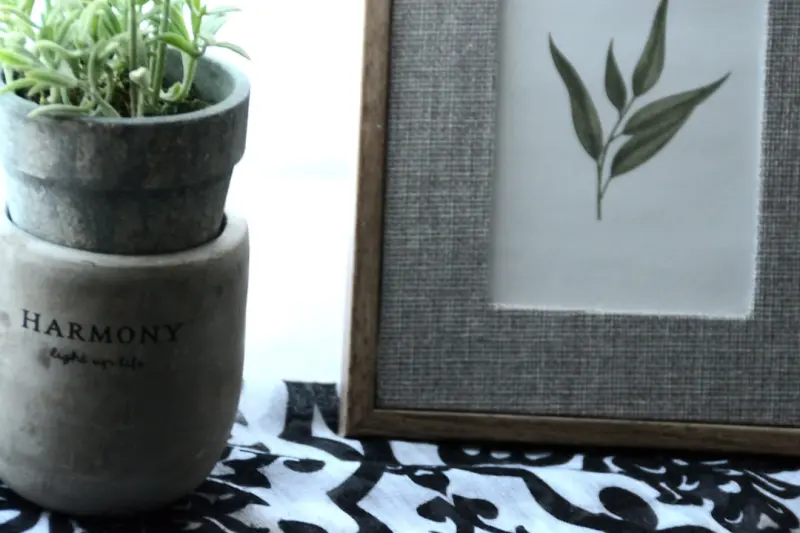
Integrating houseplants into your décor isn’t just about adding a splash of green; certain species actively filter pollutants, converting carbon dioxide into fresh oxygen while trapping harmful chemicals on their leaves. My favorite trio includes the resilient snake plant, the elegant peace lily, and the adaptable spider plant—all of which thrive in low‑light corners and require minimal upkeep. Positioning these living filters near high‑traffic areas, such as the kitchen or home office, creates natural air‑cleaning stations that work around the clock, and they double as stylish conversation pieces.
Herb‑Infused Air Fresheners Straight from Your Kitchen
Instead of relying on synthetic sprays, I’ve turned everyday kitchen herbs into aromatic, antimicrobial diffusers that gently cleanse the air while adding a subtle, pleasant fragrance. A simple method involves simmering a pot of water with rosemary, thyme, and a few lemon slices for 30 minutes, allowing the steam to carry essential oils throughout the house. For a low‑maintenance option, I hang small sachets of dried lavender and mint in closets and bathrooms, providing a continuous, natural scent that also discourages mold growth.
DIY Activated Charcoal Filters for Budget‑Friendly Purification
Activated charcoal is a powerhouse absorber of odors, chemicals, and excess moisture, yet store‑bought air purifiers can be pricey. I crafted my own discreet filters by placing a layer of activated charcoal in a breathable fabric pouch and positioning it behind furniture or inside vent openings. Over time, the charcoal traps volatile compounds, and swapping the pouch every two months restores its effectiveness—an economical solution that complements any existing ventilation system.
Mastering Window Ventilation Without Compromising Comfort
Strategic window opening can dramatically improve indoor air exchange, but the key is timing and technique. I discovered that briefly opening windows on opposite sides of the house creates a cross‑draft that swiftly replaces stale air without causing temperature fluctuations. Pair this with a simple “window fan” set to exhaust mode during the cooler evening hours, and you’ll enjoy a continuous flow of fresh air while keeping heating or cooling costs in check. For apartments without multiple windows, a portable air circulator placed near a single opening can simulate the same effect.
Choosing Natural Textiles to Support Air Quality
Synthetic fabrics can emit formaldehyde and other chemicals, especially when new, whereas natural fibers like organic cotton, linen, and hemp breathe more freely and release fewer pollutants. I swapped out my couch cushions for hemp‑filled pillows and opted for cotton drapes, noticing an immediate reduction in dust accumulation and a subtle improvement in overall room freshness. These breathable textiles also regulate humidity, helping prevent the growth of mold spores that often thrive in overly damp environments.
Seasonal Scent Rotation: Aligning Aroma with Mood
Our sense of smell is tightly linked to emotional well‑being, and rotating natural scents with the seasons can reinforce the atmosphere you aim to create in each room. In the spring, I introduce fresh eucalyptus and pine needle bundles to invigorate my living area; summer calls for citrus zest and basil to promote a light, airy feel; autumn welcomes warm clove and rosemary blends for coziness; and winter benefits from cedar and orange peel to combat the heaviness of colder days. These scent swaps are simple, inexpensive, and can be combined with the herb sachets mentioned earlier for an integrated approach.
Putting It All Together: Your Action Plan for Cleaner Air
Start by assessing your current air flow—open a window for five minutes each morning and observe any improvement in how you feel. Next, introduce at least one air‑purifying plant and a DIY charcoal pouch in high‑traffic zones. Follow up with a weekly herb infusion session in the kitchen, and replace synthetic textiles with natural alternatives where possible. Finally, experiment with seasonal scent rotations to keep the atmosphere fresh and uplifting. By implementing these small, intentional steps, you’ll transform your home into a sanctuary of clean, revitalizing air that supports both body and mind.

Laura Wilson is a freelance writer specializing in the dynamic and ever-evolving field of health. With a passion for translating complex medical information into accessible and engaging content, Laura brings a wealth of knowledge and a fresh perspective to topics ranging from preventative care and nutrition to cutting-edge research and innovative treatments.
Related Posts

Create a Focus‑Boosting Home Reading Nook
Learn how to turn an overlooked spot in your home into a dedicated reading nook with practical tips ... Read More

The 7 Hidden Ways Your Home Can Work for Your Creativity
Learn seven practical, low‑maintenance strategies— from flow mapping to multipurpose furniture a... Read More

Pet‑Friendly Home Design: Style Meets Function
Discover how to create a beautiful, functional home that accommodates pets without sacrificing style... Read More
Top Posts

Cold‑Shock Reset: How Intentional Chill Can Rewire Your Body and Mind
A data‑driven guide to using intentional cold exposure as a daily health hack, combining physiology, habit loops, and community to boost resilience, focus, an...Read More

Cold Water Immersion at Home: Unlocking Immunity and Focus
A practical guide to home cold water immersion shows how brief, regular icy dips can boost circulation, activate brown fat, and improve mental resilience, all w...Read More

Beyond the Tourist Trail: Crafting Deep‑Dive Cultural Moments on Every Journey
Discover practical strategies to move beyond typical sightseeing and create meaningful, sensory‑rich travel experiences that linger long after you return home...Read More

Turning Your Backyard into a Reading Sanctuary: Gardens, Comfort, and Quiet
Create a tranquil backyard reading sanctuary using natural light, soothing plants, and simple DIY touches that blend comfort with garden charm....Read More
0 Comments
Post Comment
You will need to Login or Register to comment on this post!