
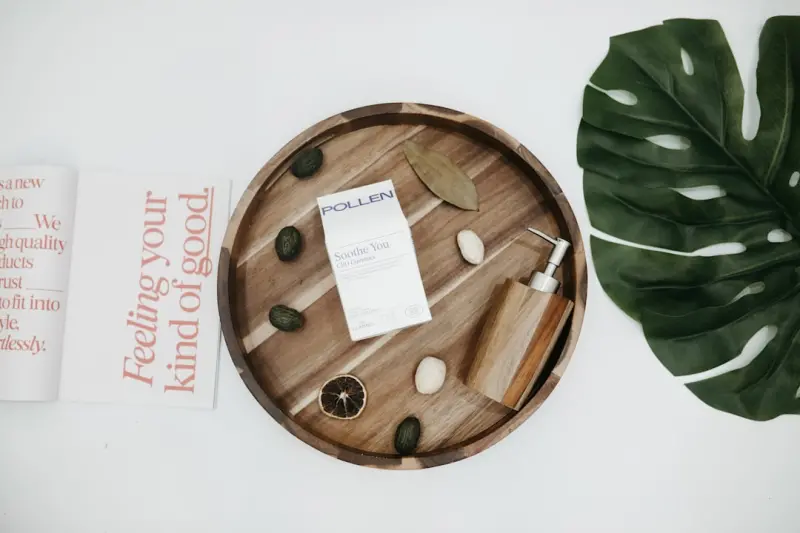
Ritual‑Driven Personal Care: Turning Everyday Moments into a Power‑Up
When the world feels like a perpetual sprint, the small habits we repeat can become the secret levers that shift us from surviving to thriving. I’m Jimmy Damon, and over the past few years I’ve watched colleagues trade late‑night emails for late‑night skincare routines, replace rushed showers with deliberate body‑care rituals, and discover that the “personal care” label isn’t just about looking good—it’s a strategic tool for performance, focus, and resilience.
Why Routine Matters More Than You Think
Most of us think of routines as a series of tasks that we perform because we have to. In reality, a well‑crafted personal‑care sequence is a neuro‑chemical cue that tells the brain: “It’s time to transition.” Whether you’re moving from a high‑stakes client call to a brainstorming session or shifting from a desk‑bound day to an evening with family, the act of brushing your teeth, applying a serum, or massaging a foot balm creates a predictable pattern that reduces decision fatigue and steadies the nervous system.
Research on habit loops shows that the “cue‑routine‑reward” cycle rewires neural pathways after just a few repetitions. The reward doesn’t have to be a sugary treat; the soothing scent of a natural essential oil, the cool splash of water on the face, or the gentle vibration of a facial roller can all serve as powerful positive feedback that encourages the brain to repeat the behavior.
Building a Personal‑Care Stack That Serves Your Goals
Think of your routine as a “stack” of micro‑practices, each chosen for a specific outcome: clarity, calm, energy, or recovery. Below is a framework you can adapt, regardless of whether you work in a corporate office, a co‑working space, or a home studio.
- Morning Activation: Start with a splash of cool water (or an quick chill‑boost technique) to jump‑start circulation. Follow with a lightweight antioxidant serum that protects skin from blue‑light exposure and a brief facial massage to stimulate lymphatic flow.
- Mid‑Day Reset: After two to three hours of screen time, pause for a micro‑focus break. Use a scented hand cream while you stand, stretch, and practice a 30‑second breath pattern. The tactile sensation reinforces the mental pause, sharpening attention for the next task block.
- Evening Wind‑Down: Swap the high‑intensity shower for a warm, aromatherapy‑infused bath. Add magnesium flakes to ease muscle tension, then apply a richer night cream that contains ceramides and peptides. Finish with a short scalp massage; the gentle pressure stimulates vagus‑nerve activity, promoting deep sleep.
The Science Behind Sensory Triggers
Our senses are wired to respond to texture, temperature, and scent. Leveraging these triggers in personal care does more than pamper; it creates a physiological state that aligns with your intended outcome. Here’s how each sense can be harnessed:
- Touch: Massage rollers, textured exfoliants, and even the pressure of a well‑fitted mask engage mechanoreceptors that release dopamine, enhancing mood.
- Temperature: Cold splashes elevate norepinephrine, sharpening focus, while warm baths raise parasympathetic activity, encouraging relaxation.
- Smell: Lavender, bergamot, and rosemary have been shown in clinical trials to reduce cortisol and improve alertness respectively. Choosing the right aroma for each part of the day can fine‑tune your stress response.
Personal Care for Remote Workers: The Hidden Advantage
Remote work often blurs the boundary between “work” and “home.” Without the physical commute, many people report a sense of “always‑on.” Incorporating deliberate personal‑care rituals re‑establishes that missing transition. When you step out of your bedroom for a morning face‑wash, you’re mentally exiting sleep mode. When you close the bathroom door after an evening skin‑care routine, you’re signaling the brain that the workday is officially over.
One client of mine, a senior product manager, swapped a late‑night caffeine binge for a 5‑minute facial massage using a jade roller. Within two weeks, her subjective energy levels rose, and she reported a 15% increase in perceived focus during morning stand‑ups. The ritual didn’t just improve her skin; it acted as a cognitive anchor that helped her manage the ebb and flow of remote collaboration.
Choosing the Right Products: Less Is More
It’s tempting to fill a bathroom shelf with every trendy serum and oil, but a cluttered routine can become a source of decision fatigue. Follow these three guidelines when curating your personal‑care arsenal:
- Ingredient Transparency: Opt for products that list active ingredients first. Look for proven actives like niacinamide, hyaluronic acid, and plant‑based antioxidants.
- Multi‑Tasking Formulas: A moisturizer with SPF, or a night cream that also contains a gentle retinol, reduces the number of steps without sacrificing efficacy.
- Sustainability & Sensory Compatibility: Choose biodegradable packaging and scents that you genuinely enjoy; the environmental and emotional payoff compounds over time.
Integrating Tech Without Over‑Complicating
While the personal‑care space is increasingly tech‑savvy—think smart mirrors, AI‑driven skin analysis, and Bluetooth‑enabled facial devices—there’s a fine line between enhancement and distraction. Here are three ways to let technology support, not dominate, your routine:
- Data‑Light Tracking: Use a simple habit‑tracking app to log the time you spend on each ritual. The goal is to see patterns, not to gamify your self‑care.
- Guided Audio: Pair a facial massage with a 2‑minute guided breathing exercise. The audio cue keeps you present while your hands work the muscles.
- Smart Lighting: A warm, amber light in the evening signals melatonin production, enhancing the restorative phase of your night routine.
Common Pitfalls and How to Avoid Them
Even with the best intentions, personal‑care routines can fall apart. Below are the most frequent mistakes and quick fixes:
| Pitfall | Fix |
|---|---|
| Skipping the “reset” step because you’re busy | Schedule a 2‑minute alarm on your calendar. Treat it as a non‑negotiable meeting with yourself. |
| Choosing products that irritate sensitive skin | Patch‑test new items for 48 hours on the inner forearm before full‑face use. |
| Relying on scent only for relaxation | Combine scent with tactile or temperature cues for a multimodal effect. |
| Over‑loading on gadgets | Pick ONE tech aid (e.g., a smart mirror) and let the rest be low‑tech, sensor‑rich practices. |
Measuring the Impact: From Skin to Performance Metrics
Personal care isn’t just about Instagram‑ready skin; it’s about measurable outcomes. Here’s a simple framework to assess ROI on your routine:
- Subjective Energy Scale: Rate your alertness on a 1‑10 scale before and after each ritual for a week.
- Productivity Log: Note any changes in task completion time or quality of work after implementing the routine.
- Physiological Markers: If you have a wearable, monitor heart‑rate variability (HRV) during evening wind‑downs. An upward trend suggests better autonomic balance.
When the numbers start to align—higher energy scores, quicker task turnover, improved HRV—you’ll have concrete proof that those “small” personal‑care actions are powering big results.
Future‑Proofing Your Rituals
As work patterns continue to evolve, the line between personal and professional wellness will blur even further. The most adaptable personal‑care routines will be those that can be flexed to fit new environments—whether that’s a compact hotel bathroom on a business trip or a shared apartment bathroom with a roommate.
Key takeaways for future‑proofing:
- Portability: Keep a travel‑size version of your essential serum and a reusable silicone face‑mask in a backpack.
- Scalability: Design a core 5‑minute “core” ritual that you can expand with optional steps when time permits.
- Community: Share your routine on a trusted platform or with a small peer group. Social accountability can keep you on track without feeling like a chore.
Conclusion: The Power of Intentional Personal Care
Personal care isn’t a luxury; it’s a strategic lever for sustained high performance. By turning everyday grooming into a purposeful ritual, you create a cascade of physiological and psychological benefits that ripple through your work, relationships, and overall well‑being. The next time you reach for that facial cleanser, remember: you’re not just cleaning skin—you’re calibrating your brain for the day ahead.

Jimmy Damon loves to right on a large scale of topics with all things Canadian as this Montreal die hard loves hockey. fishing and sports.
Related Posts

Screen Time & Skin: Uncovering the Hidden Connection and How to Reset
Explore the unseen ways screen exposure damages skin and get actionable habits—blue‑light filter... Read More
Crafting a Sensory Sanctuary: How Touch, Temperature, and Scent Elevate Personal Care
Learn how to build a daily sensory sanctuary using texture, temperature, and fragrance, turning ordi... Read More
Reimagining Personal Care: Turning Daily Hygiene into a Performance Ritual
Learn how to upgrade your morning and evening routines into intentional performance rituals using in... Read More
Top Posts

Why My Garden Desk Is the Hottest Home & Garden Trend of 2024
Rose DesRochers reveals why garden desks are reshaping home productivity, offering a sustainable, wellness‑focused workspace that blends nature with modern wo...Read More

Rooftop Gardens: Turning City Roofs into Lush Retreats
Explore a step‑by‑step guide to converting a flat roof into a vibrant garden retreat, blending resilient plant choices, smart water management, and seasonal...Read More

Playful Movement: The Secret Weapon for Modern Health and Productivity
Miranda Murphy shares a fresh take on health by reintroducing childhood play into adult routines, showing how short, joyful movement bursts boost mood, resilien...Read More

Taste the World: How Cooking Global Recipes Turns Home Into a Travel Hub
Explore the art of turning your kitchen into a travel hub by cooking authentic dishes from around the world, preserving stories, and sharing flavors that bridge...Read More
0 Comments
Post Comment
You will need to Login or Register to comment on this post!