
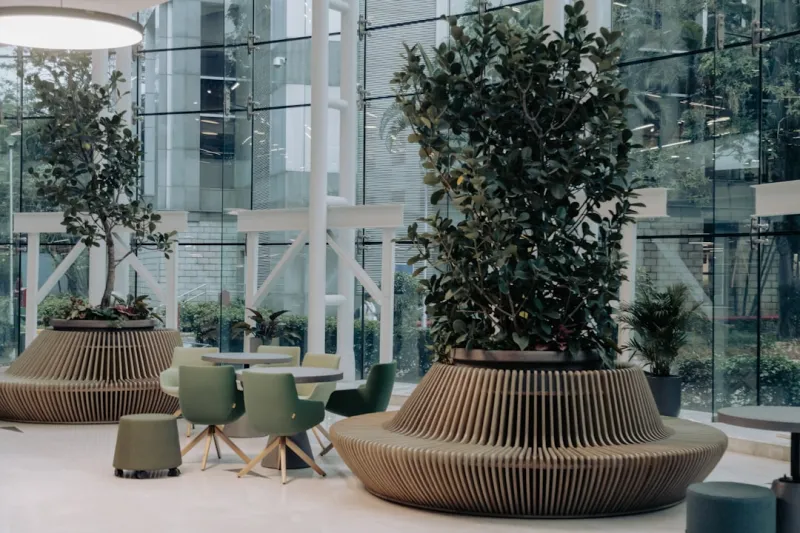
Why the Traditional Office Is Losing Its Grip
In the wake of a global shift toward flexible work arrangements, the once‑sacred four‑wall office is being questioned by employees who crave sunlight, fresh air, and a tangible connection to the world outside their screens, and this yearning has sparked an unexpected design revolution that places the desk among the roses, herbs, and morning mist; the phenomenon is not merely aesthetic, it is a fundamental rethinking of how we allocate our attention and energy during the workday. Employers are beginning to notice that teams who can step outside, stretch their legs on a garden path, and return to a laptop perched on a weather‑proof table often report higher engagement scores, lower burnout rates, and a renewed sense of purpose that seems to trickle back into quarterly performance metrics. As a result, the conversation in boardrooms is moving from “open‑plan layout” to “outdoor productivity oasis,” a phrase that encapsulates the growing belief that the future of work may literally be rooted in the soil beneath our feet.
My Personal Journey From Cubicle to Cultivation
When I first swapped my cramped cubicle for a modest wooden desk nestled between lavender and tomatoes, I expected a modest boost in morale, but what unfolded was a profound transformation of my entire work rhythm, as the scent of rosemary awakened my senses, the chirping sparrows provided a natural soundtrack, and the gentle rustle of leaves became a steady metronome that guided my focus; in that setting, deadlines felt less like looming threats and more like milestones on a garden path. The shift was not instantaneous, yet within weeks I noticed my creative brainstorming sessions lengthening, my email response times improving, and my overall sense of satisfaction swelling to levels I hadn’t felt since the early days of my career, when each project felt like a fresh seed ready to sprout. This personal renaissance has become the cornerstone of my advocacy for outdoor workstations, prompting me to share the experience through stories that resonate with anyone yearning for a more balanced, nature‑infused professional life.
Boosting Productivity With Natural Elements
Scientific studies increasingly confirm that exposure to natural light, ambient sounds, and green surroundings can elevate cognitive function, reduce stress hormones, and sharpen problem‑solving abilities, and when these elements are integrated directly into the work environment, the impact magnifies, turning a simple garden desk into a high‑performance workstation that rivals even the most ergonomic indoor setups; the key lies in the seamless blend of comfort, inspiration, and a subtle reminder that work, like a garden, thrives on regular tending and care. By positioning a laptop on a sturdy, weather‑resistant surface and pairing it with a comfortable chair that invites relaxed posture, employees can enjoy the dual benefits of sustained concentration and physical well‑being, while the surrounding flora silently works to filter pollutants and improve air quality, creating a healthier breathing space that fuels mental stamina. Companies that have experimented with pilot programs allowing remote staff to adopt garden desks report measurable gains in output, reduced absenteeism, and a culture that celebrates autonomy, thereby turning the garden into a strategic asset rather than a decorative afterthought.
The Mental Health Edge: Stress Reduction in the Open Air
One of the most compelling arguments for the garden desk movement is its profound effect on mental health, as the simple act of stepping outside to type an email or join a video call activates the parasympathetic nervous system, lowering cortisol levels and fostering a calm, centered mindset that can endure the inevitable pressures of deadlines and meetings; this physiological response is amplified when the workspace is surrounded by biodiversity, which research shows can increase feelings of happiness and reduce anxiety. Employees who integrate brief periods of outdoor work into their daily schedule often report a heightened sense of work‑life balance, a clearer separation between professional responsibilities and personal downtime, and a renewed enthusiasm for tasks that previously felt monotonous, because the garden provides a visual and sensory break that recharges the brain. Moreover, the ritual of arranging tools, watering plants, or simply watching clouds drift can serve as a mindful pause, a micro‑meditation that cultivates resilience, and organizations that recognize and support these practices see a tangible decline in burnout statistics, turning wellness into a competitive advantage.
Career Growth: How Outdoor Workspaces Foster Resilience
Beyond immediate productivity spikes, garden desks are emerging as catalysts for long‑term career development, as the environment encourages continuous learning, experimentation, and networking in ways that static office cubicles rarely facilitate; when professionals meet for a brainstorming session on a patio, the informal setting lowers barriers, sparks spontaneous ideas, and nurtures collaborative relationships that can lead to mentorship opportunities and cross‑functional projects. The sense of agency that comes from designing one’s own outdoor workstation also translates into greater confidence in decision‑making, a trait highly prized by leadership, and employees who demonstrate the ability to adapt their workspace to evolving needs are often viewed as forward‑thinking innovators, positioning them for promotions and strategic assignments. In fact, the article Cultivating Career Growth: Why Garden Desks Are the Future of Employment outlines how organizations are beginning to embed outdoor work policies into talent development frameworks, recognizing that a greener workspace can be a powerful lever for building a resilient, future‑ready workforce.
Practical Steps to Build Your Own Garden Desk Oasis
For those ready to transform a patch of lawn into a productivity oasis, the process begins with site selection, choosing a location that receives ample natural light while offering shelter from harsh winds, and then investing in a durable, weather‑proof desk that can support multiple monitors, a keyboard, and any additional peripherals without wobbling; pairing the desk with an ergonomic chair that has breathable upholstery ensures comfort during extended sessions, and adding a shade canopy or portable umbrella provides protection from midday glare and unexpected rain showers. Next, consider the surrounding environment: incorporate low‑maintenance plants such as succulents, herbs, or ornamental grasses that can thrive in the chosen microclimate, install a small irrigation system or self‑watering pots to keep greenery healthy with minimal effort, and lay down a non‑slip rug or decking material that defines the workspace while protecting the ground; these details not only enhance aesthetics but also create a functional zone that encourages focus and reduces distractions. Finally, integrate technology wisely by using a reliable Wi‑Fi extender or mesh network to guarantee seamless connectivity, and employ solar‑powered chargers or portable power banks to keep devices running sustainably, a strategy highlighted in From Lawn to Laptop: The Garden Desk Trend That’s Boosting Home Life, which showcases real‑world setups that balance eco‑friendliness with high‑performance needs.
Employer Perspectives: Embracing Outdoor Flexibility
Forward‑thinking companies are beginning to formalize policies that encourage remote employees to adopt garden desks, recognizing that the investment in a modest outdoor setup can yield returns in employee satisfaction, talent retention, and brand reputation; many are offering stipends for ergonomic outdoor furniture, providing guidelines for safe sun exposure, and even organizing virtual “garden coffee breaks” where teams meet on their patios to discuss projects in a relaxed atmosphere. This shift aligns with broader corporate sustainability goals, as encouraging outdoor work reduces the carbon footprint associated with commuting and office energy consumption, and it also signals a commitment to holistic employee well‑being, a factor that increasingly influences job seekers when evaluating potential employers. By positioning the garden desk as a strategic benefit, organizations can differentiate themselves in a competitive labor market, attract candidates who value autonomy and nature, and build a culture where productivity is measured not by hours logged in a sterile cubicle, but by outcomes achieved under the open sky.
The Future Outlook: From Trend to Standard
As climate‑smart design continues to intersect with evolving work habits, the garden desk is poised to move from niche novelty to mainstream expectation, especially as younger generations enter the workforce with a strong desire for flexibility, sustainability, and authentic connection to their surroundings; architects and interior designers are already integrating outdoor work pods into commercial real estate plans, and technology manufacturers are developing rugged, weather‑proof devices tailored for alfresco use, indicating that the ecosystem supporting garden desks is expanding rapidly. This momentum suggests that future job postings may list “outdoor workstation experience” alongside traditional software proficiencies, and performance reviews might incorporate metrics related to environmental engagement, signaling a cultural shift that values holistic health as a driver of professional excellence. The inevitable question for businesses and individuals alike is not whether garden desks will endure, but how quickly they will become the default backdrop for a thriving, resilient workforce.
Take the First Step Toward a Greener Workday
If you’ve been contemplating a change, start small: identify a sunny corner of your yard, invest in a sturdy tabletop, and experiment with a single day of outdoor work, observing how your focus, mood, and energy levels respond; document the experience, share insights with colleagues, and consider scaling the concept by adding plants, shade structures, or collaborative garden‑desk sessions that foster community and creativity. Remember that the power of a garden desk lies not only in its physical presence but in the mindset it cultivates—a belief that work can coexist harmoniously with nature, that productivity can be nurtured like a seed, and that career growth can flourish when we step outside the conventional confines of the office. Embrace the movement, and let your backyard become the launchpad for a more vibrant, resilient professional journey.

When it comes to the world of blogging and writing, Rose DesRochers is a name that stands out. Her passion for creating quality content and connecting with her audience has made her a trusted voice in the industry. Aside from her skills as a writer and blogger, Rose is also known for her compassionate nature.
Related Posts

Beyond Job Descriptions: Crafting Adaptive Employment Frameworks for the Future
A deep dive into shifting from static job descriptions to flexible, outcome‑driven employment fram... Read More

From Garden Soil to Office Success: Rose DesRochers on the New Era of Employment
Rose DesRochers shares her journey turning a garden desk into a high‑performing office, offering p... Read More
From the Cubicle to the Garden: How Outdoor Workspaces Are Reshaping Employment
Explore how swapping a traditional office for a garden desk can transform productivity, mental healt... Read More
Top Posts

AI-Powered Nutrition Coaching: The Future of Workplace Wellness
AI-powered nutrition coaching is reshaping corporate wellness by delivering personalized, data-driven dietary guidance. This article reveals its mechanics, real...Read More

Travel as a Competitive Advantage: Building a SaaS‑Powered Nomad Workflow
Learn to transform every trip into a high‑performance work experience using VPNs, cloud collaboration, automated expense tracking, health‑tech integration, ...Read More

Travel That Gives Back: Designing Regenerative Adventures
A deep dive into creating travel experiences that leave a positive legacy, from community‑focused itineraries to low‑impact practices and tech‑enabled pla...Read More
Transform Your Entryway into a Calm, Functional Welcome Zone
A well‑designed entryway can reduce stress and improve daily efficiency. Learn how to zone, light, store, scent, and personalize your hallway for a calm, func...Read More
0 Comments
Post Comment
You will need to Login or Register to comment on this post!