
Why a Kitchen Garden Deserves a Spot on Your Home Frontline
When I first moved into my modest suburban bungalow, the kitchen was a glorified pantry—lots of cabinets, few windows, and a lingering scent of stale coffee. I missed the earthy perfume of soil and the quiet satisfaction of watching something grow. That’s when I decided to turn the neglected corner of my kitchen into a year‑round garden that not only feeds my family but also anchors my daily routine. If you’ve ever felt the tug of fresh herbs, the thrill of harvesting a crisp lettuce, or the calm that comes from caring for a living thing, you’ll understand why this project is more than a hobby—it’s a lifestyle upgrade.
Choosing the Right Space: Light, Air, and Personality
Before you buy the first pot, spend a few minutes observing the natural light patterns in your kitchen. Most vegetables need at least six hours of bright, indirect sunlight. If your windows are south‑facing, you’re in luck; a simple windowsill garden can thrive with minimal assistance. For north‑facing kitchens, I turned to simple home light tricks to supplement natural light. A few strategically placed LED grow lights, set on a timer, mimic the sun’s rhythm and keep seedlings vigorous.
Air circulation is the unsung hero of indoor gardening. Stagnant air invites fungal diseases, while a gentle breeze strengthens stems. I installed a tiny clip‑on fan—just enough to create a whisper of movement without blowing the soil out of the pots. This mimics the outdoor breezes that plants have evolved to love.
Soil, Containers, and the Art of Compaction
Good soil is the foundation of any thriving garden. Commercial potting mixes are convenient, but you can customize your own blend for better drainage and nutrient control. My go‑to recipe is:
- 40% high‑quality peat or coco coir
- 30% perlite for aeration
- 20% composted organic matter
- 10% worm castings for a microbial boost
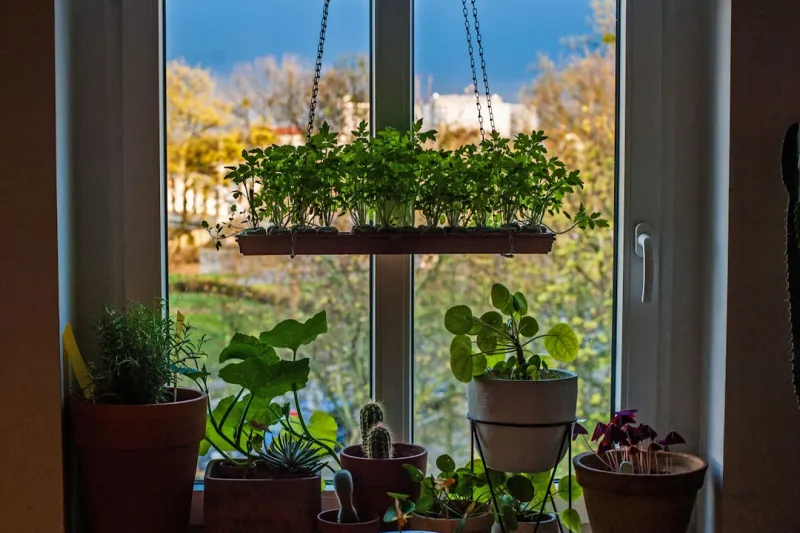
When selecting containers, think vertical. Stacking planters, hanging baskets, and tiered shelves maximize floor space and create a visually appealing garden wall. If you’re short on room, compact seed storage ideas can be repurposed as modular planting units. I’ve turned an old spice rack into a cascading herb garden—each shelf holds a different herb, and the whole thing fits neatly between the fridge and the countertop.
Choosing What to Grow: A Seasonal Symphony
Not all crops are created equal for indoor environments. Here’s a quick guide to the most forgiving, flavorful, and space‑efficient options:
- Herbs – Basil, mint, parsley, and cilantro flourish in small pots and love the humidity of a kitchen.
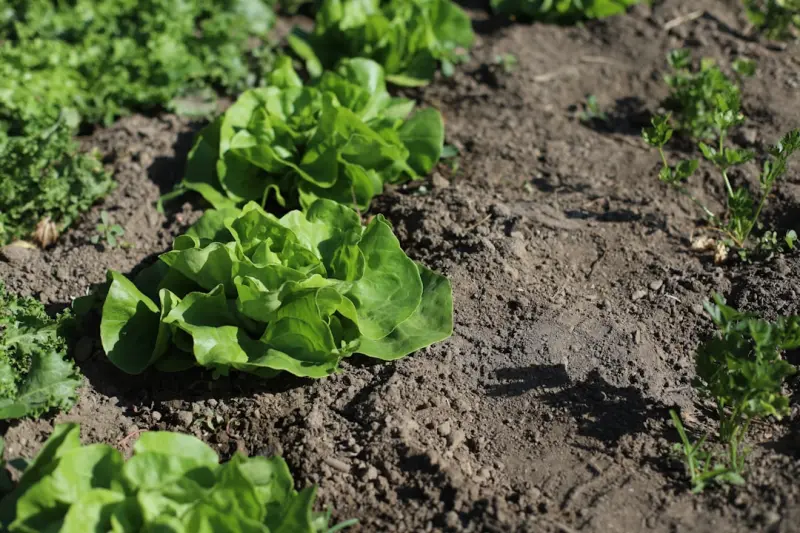
- Leafy greens – Arugula, spinach, and kale grow quickly and can be harvested continuously.
- Microgreens – Ready in 7‑14 days, they pack a nutritional punch and add vibrant color to salads.
- Root vegetables – Radishes and baby carrots can be grown in deeper containers, providing a satisfying crunch.
Plan your planting calendar around the seasons. In winter, focus on hardy greens and herbs; as spring arrives, introduce quick‑growing lettuce and radishes; summer is perfect for tomatoes and peppers (choose dwarf varieties), and fall brings a second wave of leafy greens. This rotation ensures a steady harvest and keeps pests from establishing a foothold.
Watering Smarter, Not Harder
Over‑watering is the number one cause of indoor plant failure. The key is consistency, not excess. I use a soil moisture meter to gauge when the top inch of soil dries out. For larger setups, consider smart watering hacks such as a Wi‑Fi‑enabled drip system that delivers precise amounts based on real‑time sensor data. These systems can be programmed to water during early mornings or evenings, reducing evaporation and keeping the garden hydrated without your constant attention.
Feeding Your Plants: Organic Nutrients Made Easy
Just as we rely on a balanced diet, plants need a steady supply of nutrients. I favor organic liquid fertilizers that can be mixed with water during the watering routine. A 1:10 dilution of a fish‑emulsion fertilizer provides nitrogen, phosphorus, and potassium without the harsh chemicals of synthetic options. For a slower release, sprinkle a thin layer of worm castings on the soil surface once a month.
Pest Management: Keeping It Natural
Even indoor gardens can attract unwelcome guests. A few strategies keep pests at bay without resorting to pesticides:
- Introduce beneficial insects like ladybugs in a small terrarium nearby.
- Use neem oil sprays sparingly—just enough to deter aphids and spider mites.
- Maintain cleanliness: wipe down pots and remove dead leaves promptly.
- Employ companion planting: basil repels flies, while marigolds deter nematodes.
Harvesting Techniques: From Pinch to Plate
Harvesting is where the magic happens. Here are some best practices:
- Herbs – Snip just above a node to encourage bushier growth. Harvest in the morning after the dew has evaporated for the most potent flavor.
- Leafy greens – Use a scissors to cut the outer leaves, leaving the inner ones to continue growing.
- Microgreens – Harvest the entire stem just above the soil line when they reach 1‑2 inches tall.
- Root veg – Gently loosen the soil and pull the roots out; younger roots are sweeter and more tender.
Remember, the more frequently you harvest, the more the plant will produce—think of it as a positive feedback loop that fuels both your garden and your appetite.
Integrating Your Garden into Daily Life
One of the unexpected joys of a kitchen garden is how seamlessly it blends into everyday rituals. I start each morning with a cup of tea brewed from fresh mint leaves, and my kids love pulling carrots for a snack after school. Even during video calls, a backdrop of thriving greens adds a touch of calm and professionalism.
Beyond the culinary benefits, tending to plants offers a therapeutic pause. The rhythmic act of watering, the subtle changes in leaf coloration, and the anticipation of a new harvest provide a gentle meditation that counters the hustle of modern life.
Scaling Up: From Kitchen Counter to Backyard Oasis
If your indoor garden proves successful, you might feel the urge to expand outdoors. Transitioning is straightforward: the same soil blend works well in raised beds, and the same lighting schedule can guide outdoor seedling starts. Use the lessons learned indoors—consistent watering, proper spacing, and organic feeding—to create a cohesive garden ecosystem that spans both interior and exterior spaces.
Final Thoughts: A Garden That Grows With You
Building a kitchen garden is not a one‑time project; it’s an evolving relationship. As seasons change and your family’s tastes shift, so too will the crops you grow. The beauty lies in the adaptability—swap basil for rosemary, replace lettuce with kale, and watch your garden respond. By investing a few square feet of counter space and a modest amount of time, you’ll reap fresh produce, mental clarity, and a deeper connection to the natural world—all without stepping foot outside.

Robert Mathews is a professional content marketer and freelancer for many SEO agencies. In his spare time he likes to play video games, get outdoors and enjoy time with his family and friends .
Related Posts
Garden Desk Mastery: Transforming Home Life with Outdoor Workspaces
Turn your backyard into a thriving workspace. Learn design tips, productivity hacks, and seasonal ca... Read More

Year‑Round Outdoor Living: Build a Backyard Room That Works in Every Season
Discover how to transform your patio into a year‑round outdoor living room, blending smart structu... Read More
Garden Desk Oasis: Turning Your Backyard into a Productivity Haven
Turn your backyard into a garden desk oasis and boost productivity, wellness, and home life with des... Read More
Top Posts
How a Garden Desk Became My Home’s Heartbeat
A personal look at how turning a backyard into a garden desk reshaped work habits, sparked creativity, and deepened community ties—all without leaving home....Read More

Designing Quiet, Focus‑Friendly Zones in an Open‑Plan Home
Discover step‑by‑step strategies to turn corners of your open‑plan home into quiet, focus‑friendly zones using furniture, lighting, air quality, and sim...Read More

The Art of Intentional Forgetting: Reclaiming Mental Space in a Hyper‑Connected World
Discover the power of intentional forgetting—a simple yet profound practice that helps you let go of mental clutter, improve focus, and foster emotional resil...Read More

From Garden Soil to Office Success: Rose DesRochers Redefines Home & Garden Living
Rose DesRochers shares her journey of turning a garden desk into a thriving, eco‑friendly office, revealing productivity boosts, design secrets, and community...Read More
0 Comments
Post Comment
You will need to Login or Register to comment on this post!