
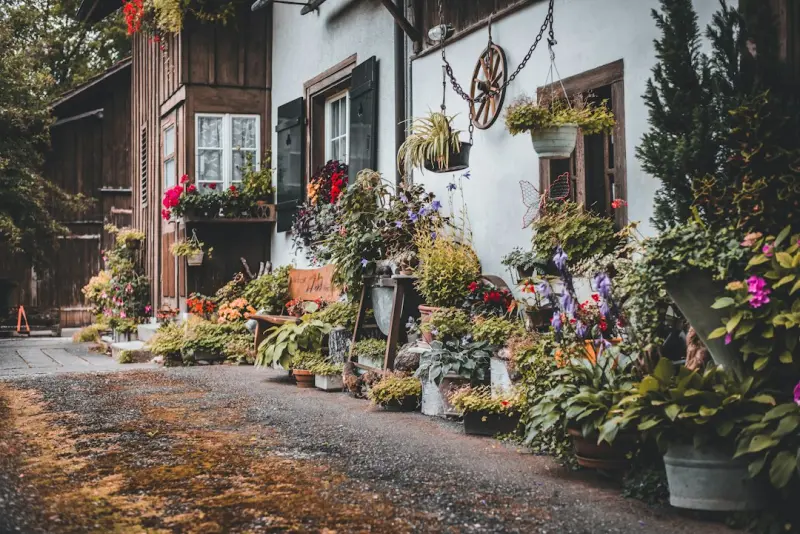
Finding Your Inner Stream: A Step‑by‑Step Guide to Building a DIY Indoor Water Feature
There’s something undeniably magnetic about the soft murmur of water. It can turn a bustling kitchen, a cramped home office, or a sleepy bedroom into a space that feels alive, grounded, and just a little bit magical. I first discovered this when I was juggling a deadline‑driven project and a toddler’s endless energy. A simple tabletop fountain I’d spotted at a local market became my secret weapon—its gentle ripple coaxed my thoughts into focus while the kids pretended it was a miniature river. From that moment on, I’ve been on a mission to share the quiet power of indoor water features with anyone who craves a touch of serenity without a full‑blown spa renovation.
Why an Indoor Water Feature?
Before we dive into the nuts and bolts, let’s talk about the “why.” Water does more than look pretty; it engages several of our senses simultaneously. The visual sparkle of moving water, the sound of a soft splash, the faint, fresh scent of humidity—these cues can lower heart rate, reduce stress hormones, and even improve indoor air quality. If you’ve ever walked through a garden with a koi pond or listened to a river on a hike, you know the feeling of “being in the moment.” An indoor water feature brings that moment home, any time you need it.
Choosing the Right Spot
Location is everything. The feature should feel like an intentional part of the room, not an afterthought. Look for a place that naturally draws the eye:
- Entryway tables—a splash of sound welcomes guests and sets a calming tone from the moment they step inside.
- Home office desks—the steady burble can mask background noise and keep you in a flow state.
- Living room corners—paired with a comfy chair, it creates a perfect reading nook.
- Bathroom countertops—adds spa‑like vibes without the expensive remodel.
Whichever spot you pick, ensure it’s near a power outlet (unless you opt for a battery‑powered pump) and that the surface can support the weight of the water, basin, and any decorative stones.
Materials That Speak to the Soul (and the Wallet)
One of the joys of a DIY project is that you can tailor it to your aesthetic and budget. Here’s a rundown of materials that are both functional and beautiful:
- Basins: Ceramic or glazed stoneware bowls add a polished look; reclaimed wooden troughs give a rustic vibe. If you’re feeling adventurous, a repurposed bathtub can become a statement piece.
- Pumps: Submersible pumps range from $15 to $100. Look for one with adjustable flow control so you can dial in the perfect sound.
- Rocks and Pebbles: River stones, polished quartz, or even smooth seashells provide texture and help diffuse the water’s movement.
- Plants: Moist‑loving greens like spider plants, peace lilies, or Boston ferns thrive near humidity, adding a splash of color.
- Lighting: LED strip lights or waterproof spotlights can highlight the water’s surface, creating a tranquil glow after dusk.
Step‑by‑Step Build: From Concept to Cascading Calm
1. Plan Your Layout
Sketch a quick diagram of your chosen spot. Measure the basin’s diameter, the pump’s hose length, and the height of any decorative elements. This helps you visualize the water’s path and avoid any surprise spills later.
2. Prepare the Base
If you’re using a table or shelf, protect the surface with a waterproof mat or a tray. This not only catches any overflow but also makes cleaning a breeze.
3. Assemble the Basin
Place your chosen basin on the base. Fill it partially with water—just enough to cover the pump’s inlet. This pre‑fill ensures the pump won’t run dry during the test run.
4. Install the Pump
Submerge the pump, attach the hose, and secure it so it doesn’t drift. Many pumps come with suction cups or clips; if not, a dab of silicone sealant works wonders. Adjust the flow knob to a gentle trickle; you can always increase it later.
5. Add Rocks and Plants
Arrange stones around the pump to create a natural cascade. Larger rocks can serve as “waterfalls,” while smaller pebbles soften the splash. Nestle plants near the water’s edge; they’ll enjoy the added humidity and you’ll love the fresh look.
6. Wire the Lights (Optional)
For an evening ambience, thread waterproof LED strips around the basin’s rim. Connect them to a low‑voltage adapter, and you’ll have a soft, ethereal glow that turns the water into a living sculpture.
7. Test and Tweak
Plug in the pump and watch the magic happen. Listen for any unwanted gurgling (which could mean the pump is struggling) and adjust the rock placement to guide the water flow. If the sound is too loud, lower the pump’s flow or add a thin layer of foam stones to muffle it.
8. Maintenance Made Simple
Every two weeks, empty the basin, rinse the pump, and refill with fresh water. This prevents algae buildup and keeps the scent pleasant. If you’ve included plants, trim any dead leaves and consider a light misting routine.
Design Inspirations to Spark Your Imagination
Feeling stuck? Here are three distinct styles that illustrate how a water feature can adapt to any décor:
- The Minimalist Zen: A shallow, matte‑black ceramic basin, a silent submersible pump, smooth river stones, and a single bamboo plant. Pair with a neutral rug for a serene, clutter‑free vibe.
- The Boho Jungle: A reclaimed wooden trough, vibrant terracotta pots brimming with ferns, and a colorful mosaic of sea glass. Add a string of fairy lights for a whimsical feel.
- The Industrial Loft: A concrete basin, exposed copper piping as the pump’s hose, and metallic sculptures. Pair with a metal bookshelf and a vintage leather chair for an edgy, urban oasis.
Connecting to Larger Sustainable Practices
While the water feature itself is a decorative element, it can also dovetail with broader eco‑friendly habits. For example, the humidity generated can reduce the need for a separate humidifier in dry climates. Pairing the feature with urban balcony farming ideas lets you use the same water source for both the feature and a small herb garden—just be sure to keep the water clean and free of chemicals.
Another low‑impact tweak is to use reclaimed rainwater collected from a barrel. A simple filtration system (a coffee filter and a charcoal layer) can make the water suitable for the pump while giving new life to stormwater that would otherwise runoff.
Safety First: Keeping the Feature Kid‑ and Pet‑Friendly
If you have curious toddlers or playful pets, safety becomes a priority. Here are a few quick tips:
- Choose a basin with a shallow depth (no more than 4 inches) to prevent accidental drowning.
- Secure the pump and any electrical cords with cord covers or use a battery‑operated pump.
- Place the feature on a stable, low‑center‑of‑gravity surface to prevent tipping.
- Consider a detachable water reservoir for easy cleaning and to limit the amount of water on the floor.
From Feature to Ritual: Making the Most of Your New Oasis
Once your water feature is up and humming, integrate it into daily rituals. A few ideas:
- Morning mindfulness: Sit nearby for five minutes, focusing on the sound of water as you breathe deeply.
- Creative boost: Keep a sketchbook or journal by the feature; many find the ambient sound stimulates ideas.
- Evening unwind: Dim the lights, play soft instrumental music, and let the water’s rhythm signal the transition to bedtime.
These small practices can turn a simple decorative piece into a cornerstone of well‑being, echoing the same intentional design philosophy you’ll find in crafting a multisensory reset space in your home. The key is consistency—make the feature a regular part of your environment, not just an occasional backdrop.
Common Pitfalls and How to Avoid Them
Even the most well‑planned project can hit a snag. Here’s a quick troubleshoot guide:
- Algae growth: Keep the water level low, change the water regularly, and add a few drops of natural algae control like tea tree oil.
- Noise issues: If the pump becomes too loud, wrap it in a thin layer of foam or place a larger stone directly on top to dampen vibrations.
- Leaks: Double‑check all seals and connections. Silicone sealant works best for any joints that aren’t pre‑sealed.
- Stagnant water smell: Run the pump continuously if possible, or schedule a weekly water change. Adding a small live plant helps absorb excess minerals.
Wrapping Up: Your Personal Waterway Awaits
Creating a DIY indoor water feature is more than a décor project; it’s an invitation to bring a piece of nature’s rhythm inside your walls. From the initial spark of inspiration to the steady hum of the pump, each step is an act of curating calm in a world that often feels too loud. Whether you opt for a sleek minimalist basin or a boho‑rich wooden trough, the result is the same: a personal stream that reminds you to pause, breathe, and let the flow guide you.
So gather your materials, pick a spot, and let the water speak. In the quiet ripple, you might just hear the next great idea or the soothing sigh of a day well lived.

Jody Henderson is a passionate freelance writer, driven by a love for storytelling and a keen eye for detail. With a versatile skillset, she crafts compelling content across a variety of niches, from engaging blog posts to informative articles and persuasive marketing copy.
Related Posts
Seasonal Outdoor Living Room: A Flexible Garden Sanctuary
Learn how to design a garden that functions like a living room, with modular foundations, seasonal p... Read More
Upcycled Garden Art: Turning Trash into Outdoor Treasure
Explore how to transform discarded household objects into beautiful, eco‑friendly garden pieces. F... Read More
From Garden Desk to Green Revolution: Jimmy Damon’s Blueprint for Home & Garden Success
Jimmy Damon shares his journey of transforming a backyard garden into a thriving workspace, revealin... Read More
Top Posts

Micro‑Internships: The New Fast‑Track to Career Mastery
Explore the rise of micro‑internships, a flexible way to gain real‑world experience, showcase results, and fast‑track your professional growth....Read More

Why Portfolio Careers Are the Next Frontier in Employment
Portfolio careers let professionals blend core roles, specialty projects, and passion pursuits into a cohesive, resilient work life, while companies gain agilit...Read More

Crafting a Portfolio Career: Balancing Multiple Income Streams in a Fluid Job Market
Learn how to design a portfolio career that blends flexibility, financial security, and personal fulfillment. Follow practical steps to curate skills, manage mu...Read More

Finding Freedom in the Rhythm: How Playful Movement Boosts Mental Health
A personal guide to using spontaneous dance and playful movement as a daily mental‑health tool—simple, joyful, and scientifically backed....Read More
0 Comments
Post Comment
You will need to Login or Register to comment on this post!